

Women's Clothing: Natural Fabrics and the Slow Wardrobe
Women's Clothing: Natural Fabrics and the Slow Wardrobe
Women's clothing has always been more than fabric stitched together. It carries identity, culture, and intention. In a world flooded with fast-fashion options — from hype clothing womens drops to wish clothing womens hauls — a quieter movement has been gaining ground. Slow fashion asks a different question: not what is trending this week, but what will still feel right in five years. At the heart of this shift are natural fabrics — linen, cotton, wool, and muslin — materials that breathe, age gracefully, and connect the wearer to something more grounded. This article explores what it means to build a wardrobe around these principles, why the origin and composition of a garment matters, and how women across different contexts are rethinking what they wear and why. Whether you are drawn to folk clothing womens traditions, minimalist uniqlo women's clothing aesthetics, or the earthy textures of womens tweed clothing, the conversation about natural fibres is one worth having slowly and carefully.
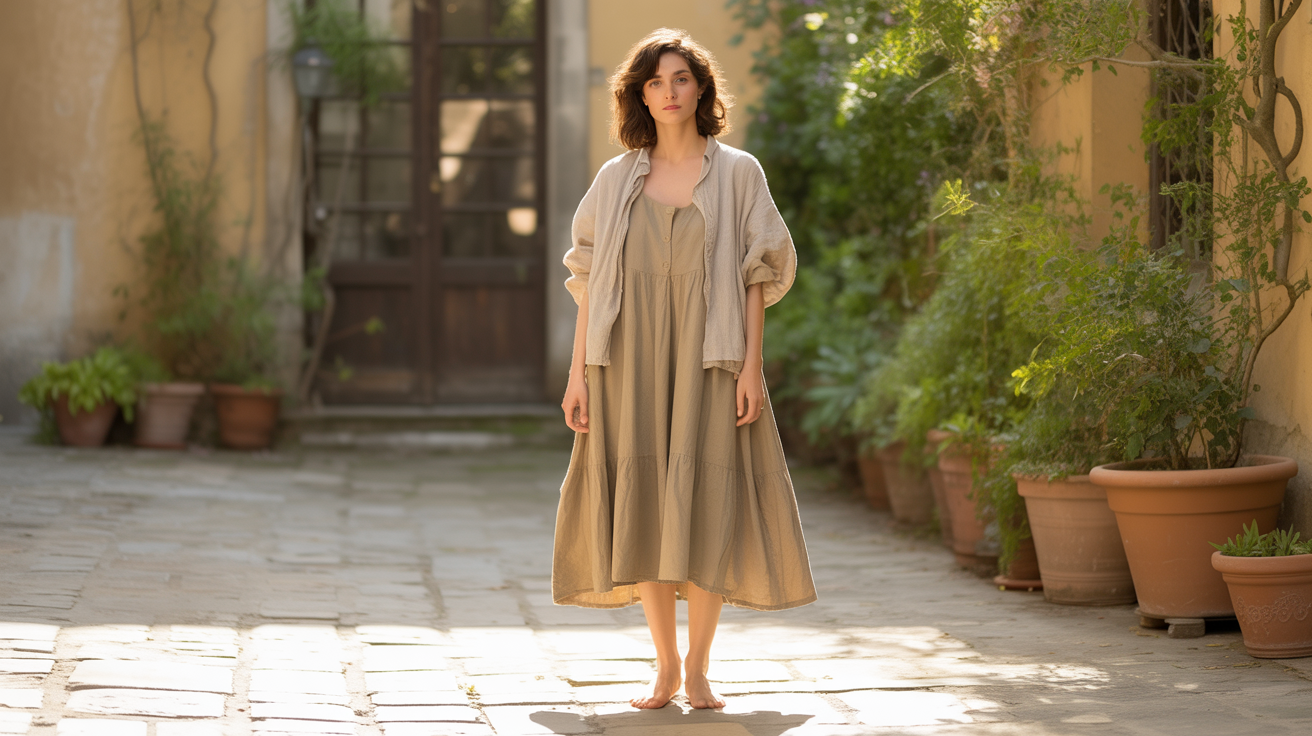
What Slow Fashion Actually Means for Women's Clothing
The term slow fashion is often misunderstood as simply buying less. It is more precise than that. Slow fashion means understanding the full lifecycle of a garment — where the fibre was grown, how the fabric was processed, who made the piece, and how long it is designed to last. For women's clothing specifically, this matters because women are disproportionately both the consumers and the producers in the global fashion supply chain.
Brands like toast women's clothing have built reputations on considered design and natural materials. Similarly, labels such as hush women's clothing and mantaray clothing womens have carved out space for everyday wearability without sacrificing quality. What these brands share is an understanding that a well-made garment in natural fabric will outlast a dozen cheaper alternatives.
Slow fashion is also about cultural awareness. Japan women's clothing culture, for instance, has long valued craftsmanship, repair, and restraint. The concept of mottainai — a deep reluctance to waste — is embedded in the way many Japanese designers approach textiles. This is the opposite of the disposability built into fast fashion cycles.
When you invest in a linen dress or a cotton muslin blouse, you are participating in a different economy — one that values durability over novelty, and authenticity over trend-chasing.
Natural Fabrics: Linen, Cotton, Wool, and Muslin Explained
Understanding what you are wearing begins with understanding the fibre itself. Not all natural fabrics are equal in their properties, and choosing the right one for the right purpose is part of building a genuinely functional wardrobe.
Linen is made from the flax plant and is one of the oldest textiles in human history. It is highly breathable, moisture-wicking, and becomes softer with every wash. Linen is ideal for warm climates and layering. Its natural wrinkle is not a flaw — it is a characteristic that signals authenticity.
Cotton is the most widely grown natural fibre in the world. Organic cotton, grown without synthetic pesticides, is the preferred choice for slow fashion brands. It is soft, versatile, and works across seasons. Many womens base layer clothing pieces are made from cotton precisely because of its comfort against the skin.
Wool is a protein fibre from sheep and other animals. It regulates temperature exceptionally well, making it suitable for both cool mornings and cold evenings. Womens tweed clothing, a woven wool fabric with a long heritage in British and Irish textile traditions, is a perfect example of how wool can be both functional and deeply beautiful.
Muslin is a loosely woven cotton fabric with origins in South Asia and the Middle East. It is lightweight, airy, and drapes beautifully. In slow fashion, muslin is often used for layering pieces, wide trousers, and flowing dresses that move with the body rather than constraining it.
Each of these fabrics has a different environmental footprint depending on how it is produced. Choosing certified organic, ethically sourced versions of these fibres is the most consistent way to align purchasing decisions with slow fashion values.
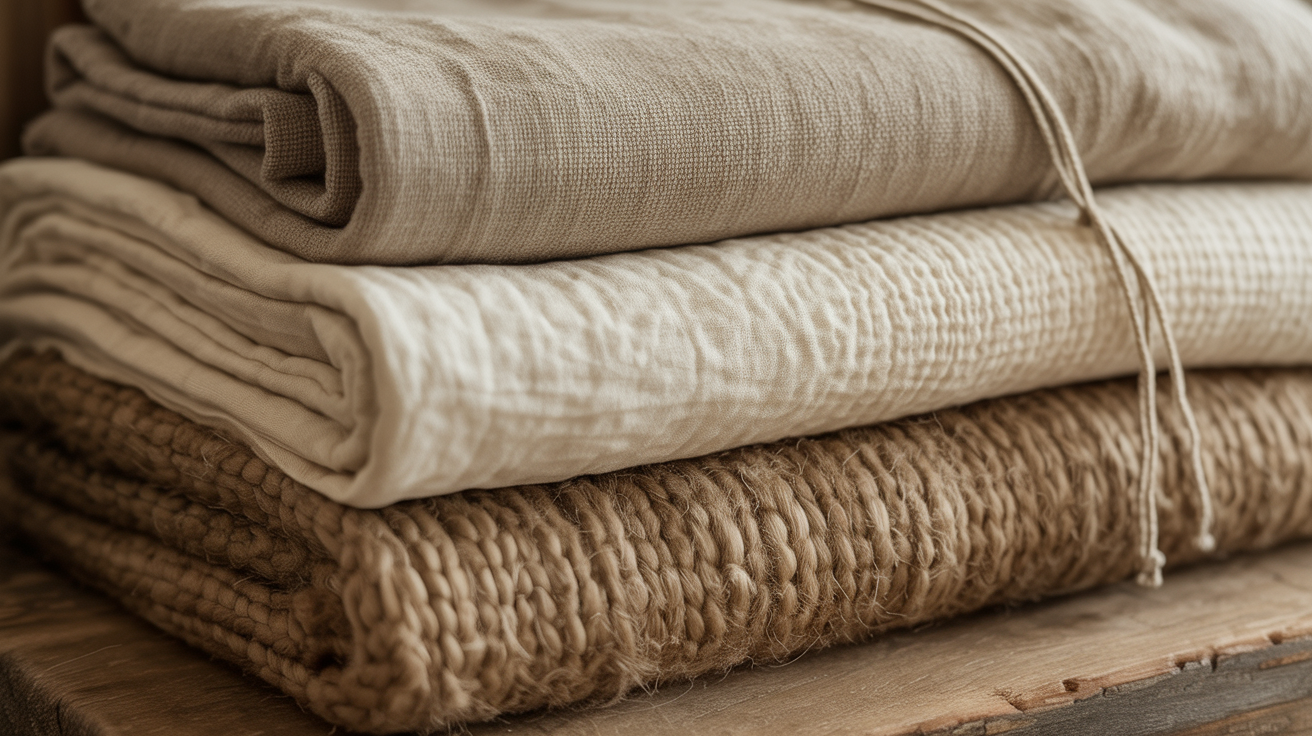
Discover natural fabric pieces from Lariko Studio — crafted for occasions like this:
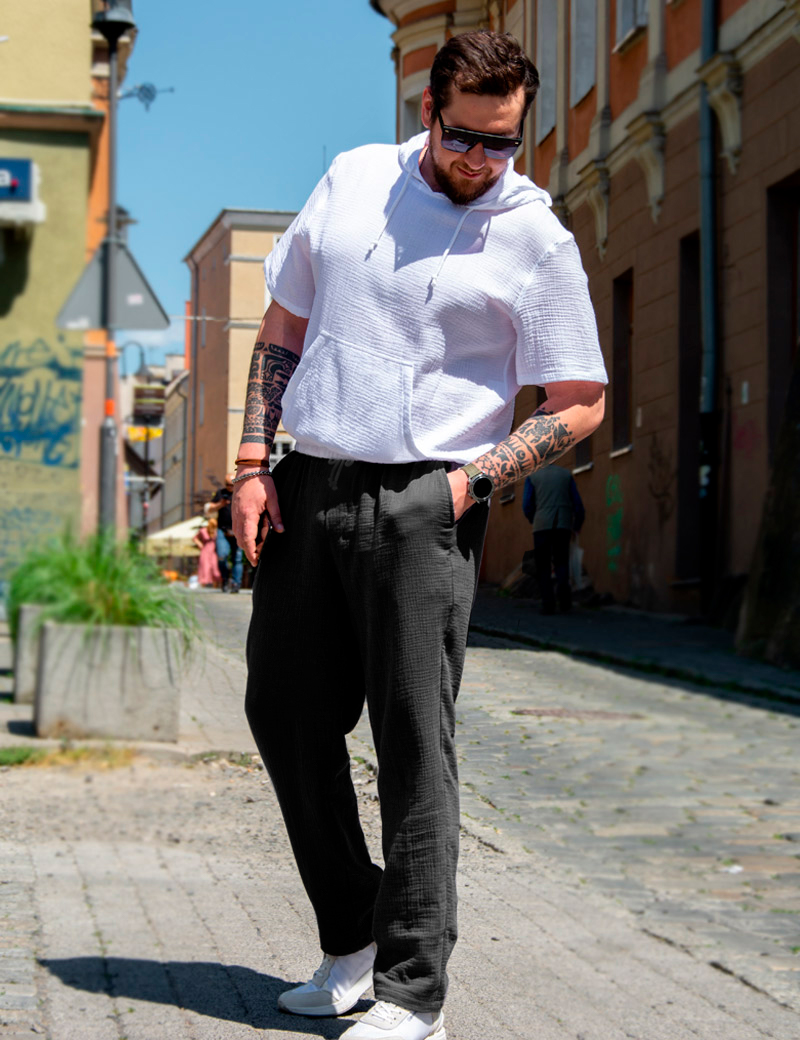
|
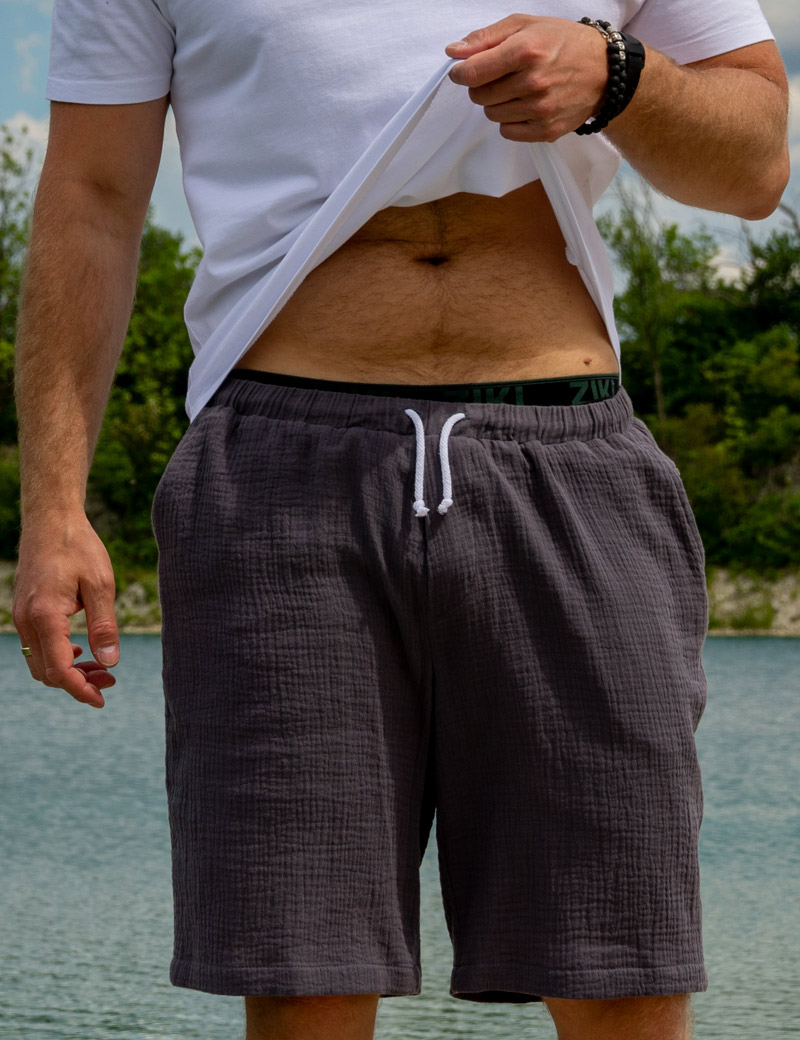
Men's Summer Cotton Shorts - 100% Pure Cotton Comfort, Style & Freedom of Movement | LARIKO Studio |
Cultural Roots of Women's Clothing and What We Can Learn
Women's clothing traditions around the world offer a rich archive of slow fashion principles, even if they were never labelled as such. Understanding these traditions is not about appropriation — it is about recognising that intentional dressing has always existed, long before it became a marketing category.
Basque women's clothing, rooted in the Basque Country of northern Spain and southwestern France, features strong regional identity expressed through colour, textile weight, and cut. These garments were made to last, often passed between generations.
Women's clothing in Egypt has a long history of linen use — the ancient Egyptians valued linen so highly it was used as currency. Today, Egyptian cotton remains among the finest in the world, prized for its long fibres and exceptional softness.
Women's clothing in Saudi Arabia and women's clothing in Afghanistan both reflect complex relationships between cultural identity, religious practice, and textile craftsmanship. The intricate embroidery found in Afghan traditional dress, for instance, represents hours of skilled handwork — a direct counterpoint to the anonymity of mass production.
Qatar women's clothing similarly reflects a layering of tradition and modernity, with natural fabrics playing a central role in garments designed for both modesty and comfort in a warm climate.
Folk clothing womens traditions across Eastern Europe, Scandinavia, and Central Asia share a common thread: garments were made with care, worn with meaning, and repaired rather than discarded. These are exactly the values that slow fashion is trying to recover.
Building a Slow Wardrobe: Practical Steps
The idea of rebuilding a wardrobe from scratch can feel overwhelming. The more realistic approach is gradual and intentional — replacing worn-out pieces with better ones rather than performing a dramatic overhaul.
Start with the pieces you wear most often. For many women, this means base layers, everyday tops, and versatile bottoms. Womens base layer clothing in organic cotton or merino wool is a foundational investment. A bodysuit women's clothing piece in breathable cotton, for instance, can anchor dozens of different outfits across seasons.
Consider the full range of what you need. A slow wardrobe is not a capsule wardrobe in the minimalist sense — it is a wardrobe that reflects your actual life. If you need practical outdoor pieces, brands like weird fish women's clothing offer durable, nature-inspired options. If your wardrobe leans toward structure and tailoring, womens tweed clothing pieces provide both warmth and longevity.
Think about layering systems. Damart womens clothing, known for its thermal layering expertise, demonstrates how considered layering in natural and technical fibres can replace the need for multiple single-purpose garments. A well-designed linen shirt worn under a wool jacket, paired with a flowing muslin skirt, creates a cohesive, adaptable outfit that works across a wide range of temperatures and occasions.
Explore Boho Skirts in natural fabrics as a starting point — a single well-cut skirt in linen or cotton can be styled in multiple ways across seasons, making it one of the highest-value pieces in a slow wardrobe.
Repair and care are also part of building slowly. Natural fabrics respond well to gentle washing, air drying, and occasional mending. A linen garment that is cared for properly will last a decade or more. This is the opposite of the disposability built into most fast fashion.
The Aesthetic of Natural: Boho, Folk, and Ethnic Influences in Slow Fashion
One of the reasons natural fabrics have found such a natural home in boho and ethnic-inspired fashion is that the aesthetic and the material philosophy align. Boho style — rooted in bohemian and folk traditions — has always valued texture, handcraft, and a certain looseness of form that synthetic fabrics simply cannot replicate.
Linen wrinkles. Muslin drapes. Wool has a subtle irregularity of weave. These are not imperfections — they are the visual language of authenticity. The slight variation in a hand-woven textile or a naturally dyed fabric tells a story that a perfectly uniform synthetic never can.
This is why brands with strong boho and ethnic aesthetics tend to gravitate toward natural materials. The look and the substance reinforce each other. A flowing linen dress does not just look relaxed — it feels relaxed, breathes well, and ages into something more personal over time.
Rockabilly clothing womens and streetwear clothing womens occupy very different aesthetic territories, but even within these subcultures, there is a growing interest in natural fabrics and quality construction. The vintage revival at the heart of rockabilly style is inherently slow fashion — buying second-hand, valuing construction, and wearing pieces that were made to last.
Even in unexpected corners of fashion culture — from arsenal women's clothing to women's football clothing — there is increasing pressure on brands to consider fabric sourcing, labour conditions, and environmental impact. The slow fashion conversation is no longer confined to niche boutiques.
For those who layer and accessorise, a Men's Hoodie in natural cotton can cross gender lines beautifully — oversized, relaxed, and worn as part of a layered boho outfit that borrows freely from different traditions.
What to Look for When Buying Women's Clothing in Natural Fabrics
Not all natural fabric claims are equal. Greenwashing — the practice of marketing a product as environmentally responsible without substantive evidence — is widespread in fashion. Knowing what to look for protects both your investment and your values.
Look for certifications. GOTS (Global Organic Textile Standard) certifies organic fibres from farm to finished product. OEKO-TEX Standard 100 certifies that a fabric has been tested for harmful substances. These are not guarantees of perfection, but they are meaningful signals.
Read the fabric composition label. A garment described as linen may contain only a percentage of linen blended with polyester. True slow fashion pieces will typically be 100% natural fibre, or a blend of natural fibres only.
Consider the brand's transparency. Brands like elan women's clothing and threadbare clothing women's have made varying commitments to transparency in their supply chains. The more a brand is willing to share about where and how its garments are made, the more trustworthy that information tends to be.
Uniqlo women's clothing, while a mass-market brand, has invested significantly in material innovation — their linen and cotton ranges are often a reliable entry point for those transitioning toward natural fabrics without a large budget. The key is to use accessible brands as a bridge rather than a destination.
Finally, consider second-hand and vintage. Buying a pre-owned linen jacket or a vintage cotton dress is one of the most sustainable choices available. The garment already exists — no new resources are required to produce it.
FAQ
What are the best natural fabrics for women's clothing?
Linen, organic cotton, wool, and muslin are the most versatile and widely available natural fabrics for women's clothing. Each has distinct properties: linen excels in warm weather, wool in cold, cotton works year-round, and muslin is ideal for lightweight layering. The best choice depends on climate, intended use, and personal preference.
How do I care for linen and cotton garments to make them last longer?
Wash natural fabrics in cool or lukewarm water using gentle, plant-based detergents. Avoid tumble drying when possible — air drying preserves fibre integrity and reduces energy use. Iron linen while slightly damp for best results. Store garments folded rather than hung to prevent stretching, and address small repairs promptly to extend the life of each piece.
Is slow fashion more expensive than fast fashion?
The upfront cost of slow fashion pieces in natural fabrics is often higher. However, the cost-per-wear calculation typically favours quality garments. A linen dress worn regularly for five years costs far less per wearing than a cheap synthetic alternative replaced every season. Slow fashion is also accessible through second-hand markets, which offer natural fabric pieces at lower price points.
How can I tell if a brand is genuinely committed to slow fashion principles?
Look for transparency about supply chain, fabric sourcing, and production conditions. Certifications such as GOTS and OEKO-TEX provide independent verification. Brands that openly discuss their materials, name their manufacturers, and acknowledge the ongoing challenges of sustainable production tend to be more trustworthy than those making vague environmental claims.
Can natural fabric clothing work for active or outdoor lifestyles?
Yes. Merino wool is widely used in performance and outdoor clothing for its temperature regulation and odour resistance. Linen and cotton work well for warm-weather activity. For more demanding conditions, natural fibres are sometimes blended thoughtfully with recycled technical fibres to provide additional durability — a compromise that many slow fashion brands are exploring carefully.
Closing Thoughts
Building a wardrobe around natural fabrics and slow fashion principles is not a single decision — it is an ongoing practice of attention and intention. Women's clothing, at its best, should serve the person wearing it: comfortable, durable, expressive, and made with respect for the people and environments involved in its creation.
At Lariko Studio, every piece is designed with exactly this in mind. Natural linen, cotton, wool, and muslin are the foundation of a collection that values craft over quantity and longevity over trend. If you are ready to explore what a more intentional wardrobe looks like in practice, browse the Lariko Studio collections and find pieces made to be worn, loved, and kept.
Discover natural fabric pieces from Lariko Studio — crafted for occasions like this:
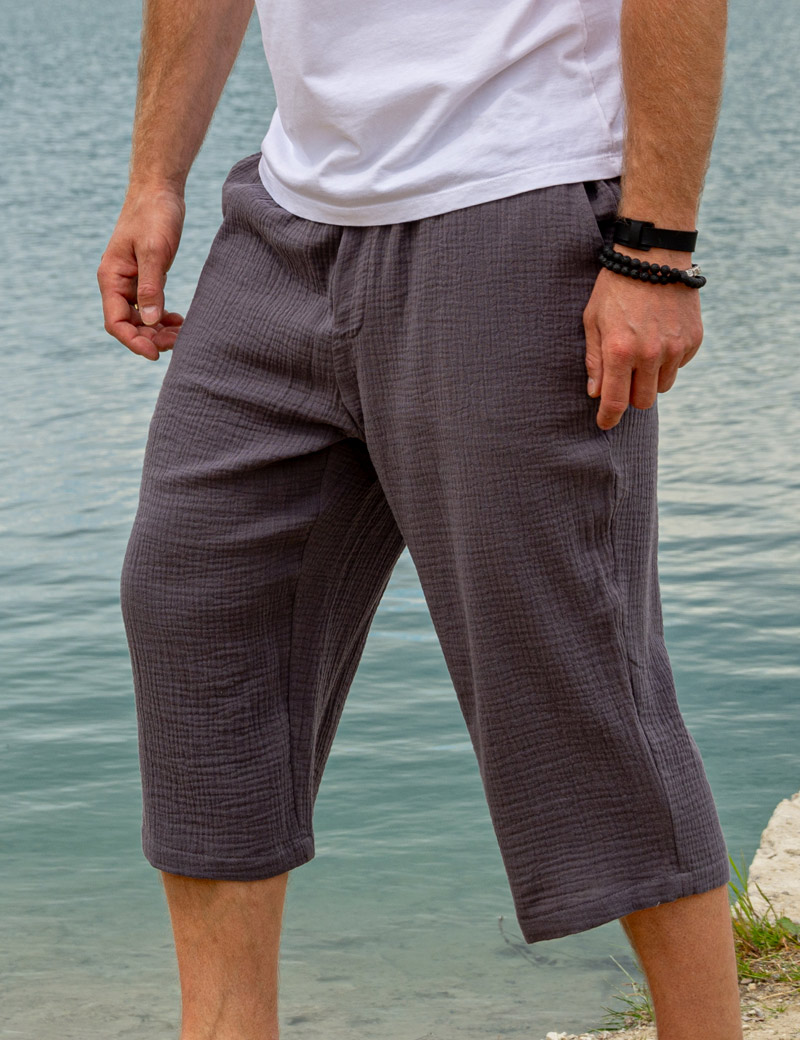
Men's long cotton shorts with excellent ventilation. A great gift for him. |

|