

Top 10 facts about Viking clothing
Top 10 facts about Viking clothing
calendar_today26/08/2024
When we think of the Vikings, images of rugged warriors and warrior women from the cold northern lands come to mind. However, their culture was much richer and more diverse than just military exploits. Viking clothing was not only practical and warm, but a status symbol and a reflection of mythology and tradition. Research by archaeologists in present-day Scandinavia, England, and elsewhere has helped to reconstruct many aspects of these peoples' lives, including their closet. In this article we will share ten interesting facts about how the Vikings dressed, based on historical data and archaeological findings. And, of course, we invite you to browse our range of natural clothing inspired by Viking culture.
Fact 1: Practicality and layering of clothing
The basic principle of Viking clothing is layering, due to the harsh northern climate. Archaeological excavations in Birka, Sweden, and Gokstad, Norway, have shown that men wore several layers of clothing, ranging from linen shirts to thick wool tunics and cloaks. Although cotton was rare in those parts and not widely available, it was not completely unknown. The multiple layers helped regulate heat and protect against the cold, especially during long sea voyages.
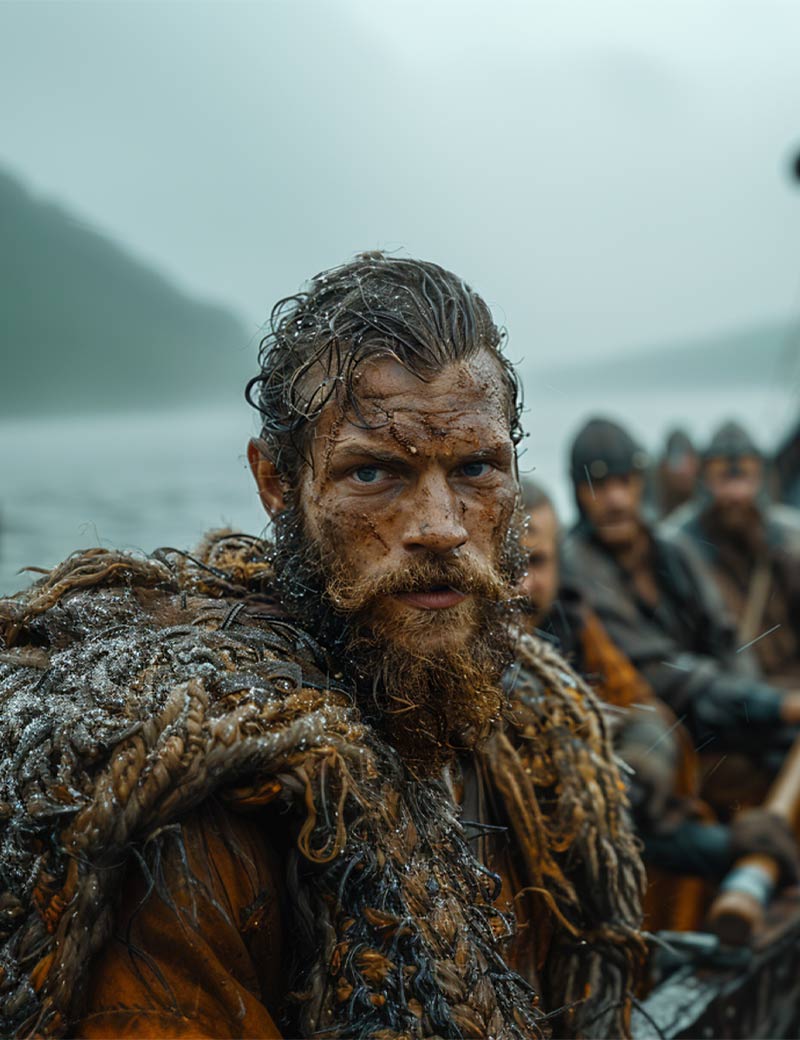

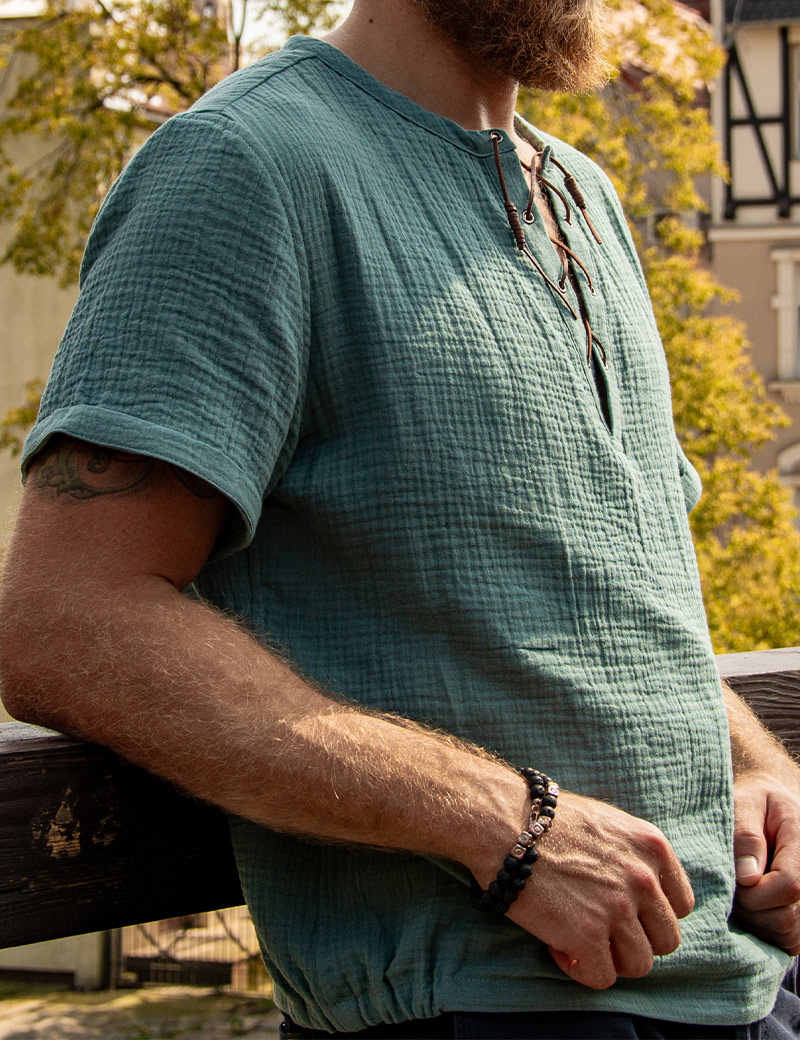
Our linen shirts and cotton shirts are perfect for creating a layered look inspired by the Viking era. You can match your Viking costume for festival or everyday use.
Fact 2: Natural materials are at the core of the clothing
Vikings used only natural materials such as wool, leather, and linen, which is confirmed by analyzing textile remains found in burial sites such as the Oseberg Ship in Norway. Wool was used to create warm tunics and cloaks, while linen was used for lighter clothing such as undershirts and undershirts. These materials provided not only warmth and comfort, but were also durable and affordable, which was essential for people with active lifestyles.
Fact 3: Bright colors and natural dyes
Contrary to popular belief, Viking clothing was bright and colorful. Studies of natural dyes preserved on textile finds, such as the burials on the island of Gotland, have shown that the Vikings used various plants, berries, and roots to dye fabrics in rich colors. Dyes from vajda gave blue color, while mirena provided red and orange hues. Check out our brightly colored Viking shirts and other clothing items.
Fact 4: Fibulae are an important element of clothing
Fibulae are metal clasps that Vikings used to fasten clothing together. Finds of fibulae in burial sites such as Birka in Sweden and Jørgensholm in Denmark show that these pieces of jewelry not only served a practical function, but were also a status symbol. Fibulae could be made of bronze, silver or even gold, and were often decorated with intricate ornaments reflecting mythological motifs. Now Viking runes and Scandinavian-style jewelry are very popular among men and would make a great gift for a man.
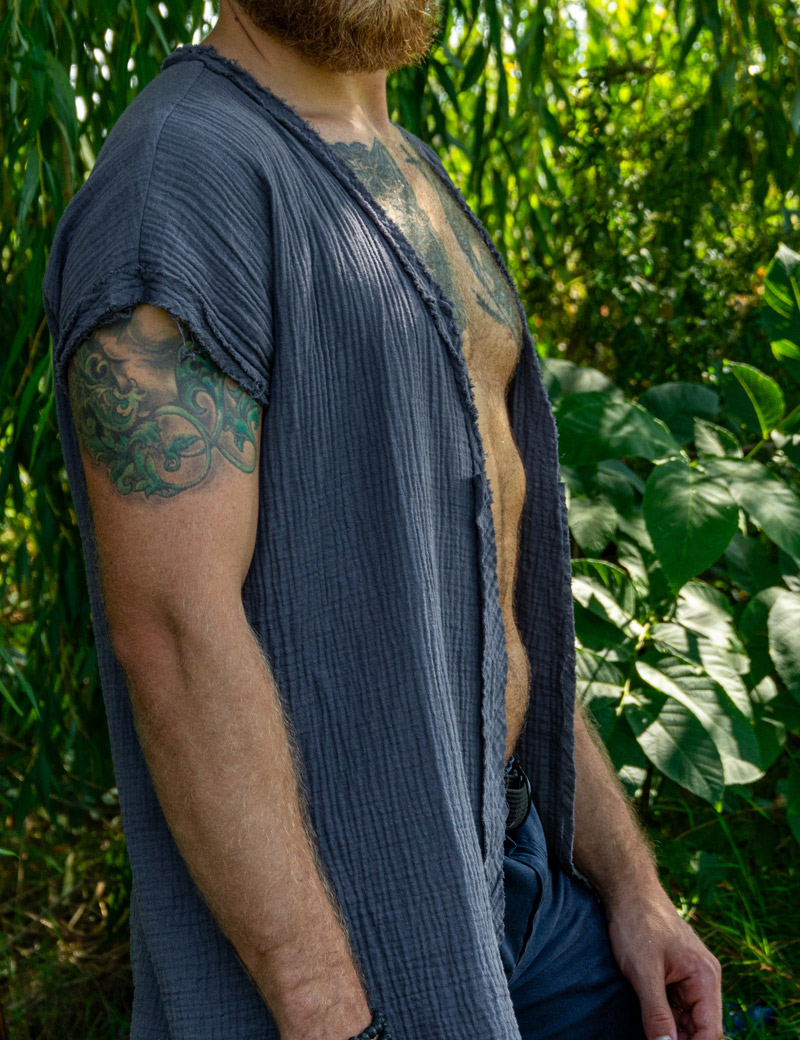
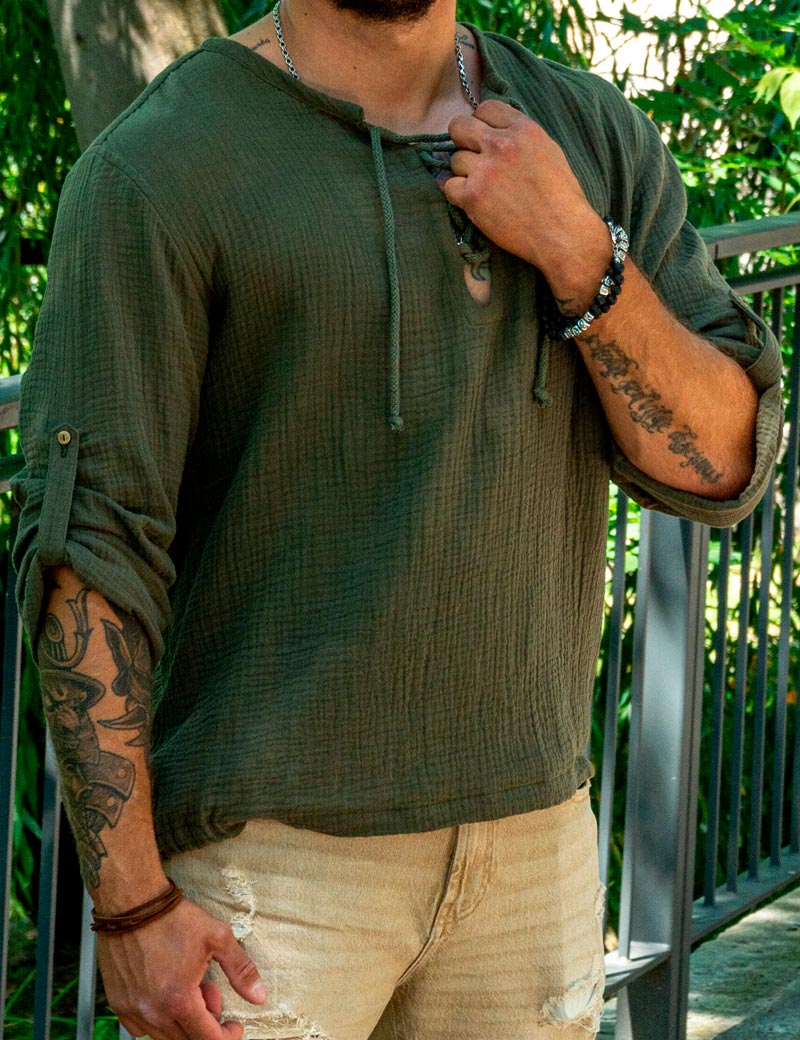
Fact 5: Clothing as an indicator of status
The Vikings' natural clothing often reflected their social status. Wealthier Vikings wore clothes made of expensive materials, as evidenced by finds from rich Viking burial sites such as the Gokstad Ship in Norway. Commoners, on the other hand, wore simpler and coarser clothing, which is evident in the remains of fabrics found in more humble burials.
Fact 6: Women's clothing and its features
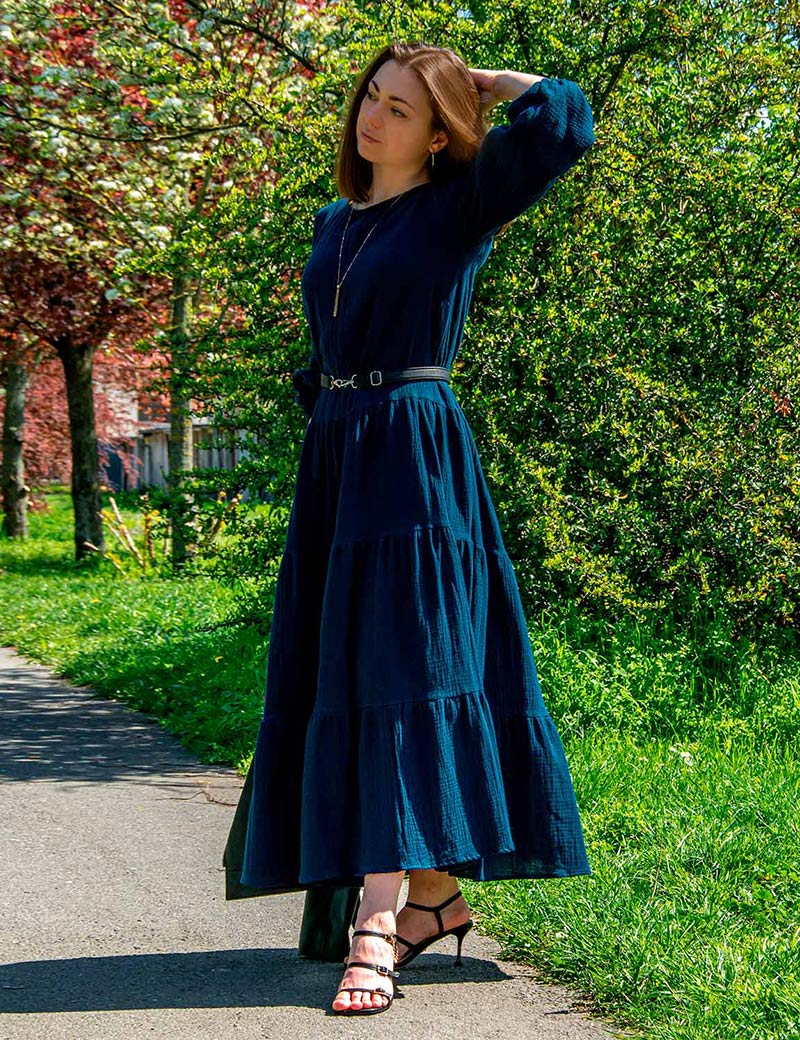
Viking women wore long dresses and tunics, which were often complemented by aprons and capes. Similar fashions existed in Europe, but Viking women's clothing had its own unique features. Archaeological finds, such as the burial site at Kildebye, Denmark, show that women used fibulae to fasten aprons around their shoulders. These ornaments were usually elaborate and often reflected the high social status of the wearer. Embroidery on women's clothing may have had a symbolic meaning, although it is not yet possible to say that it indicated membership of a particular clan. Our Viking-inspired long women's dresses will emphasize your individuality and are a great choice for themed events.

Fact 7: Influence from other cultures
The Vikings were in active contact with other peoples, and this could not help but affect their clothing. Archaeological excavations of Viking settlements in England and Russia show that Vikings adopted elements of clothing and jewelry from other cultures. For example, silk cloths were found in a burial at Gokstad, which were probably brought from Byzantium or Eastern Europe. Such items of clothing indicated wealth and high status to the wearer.
Fact 8: Warrior Clothing
Viking warrior clothing was designed to maximize comfort in battle. In addition to armor and helmets, warriors wore tunics and pants that did not restrict movement. Leather belts and harnesses found in warrior burials, such as Birka in Sweden, were used to fasten weapons. Such clothing allowed warriors to be ready for battle at a moment's notice while also demonstrating their fighting spirit. Women warriors, known as shield-bearers, may have worn similar clothing to men, although the extent of their participation in battle is still debated by scholars.

Fact 9: The importance of footwear
Viking shoes were an essential part of their closet, especially in the harsh climate. Leather boots found in burial sites such as Skara in the Orkney Islands show that the shoes were tight-fitting and protected the feet from cold and moisture. Sometimes the shoes were embossed or decorated with metal elements, adding not only functionality but also aesthetic value.
Fact 10: Clothing for children
Viking children's clothing, as archaeological evidence shows, was a scaled-down copy of adult clothing. Children wore tunics, pants, and cloaks made of the same materials as adults, including wool and linen. Burials of children, such as those at York, England, indicate that even children's clothing was layered to protect them from the cold. Comfort and functionality were emphasized so that children could play freely and participate in tribal life.
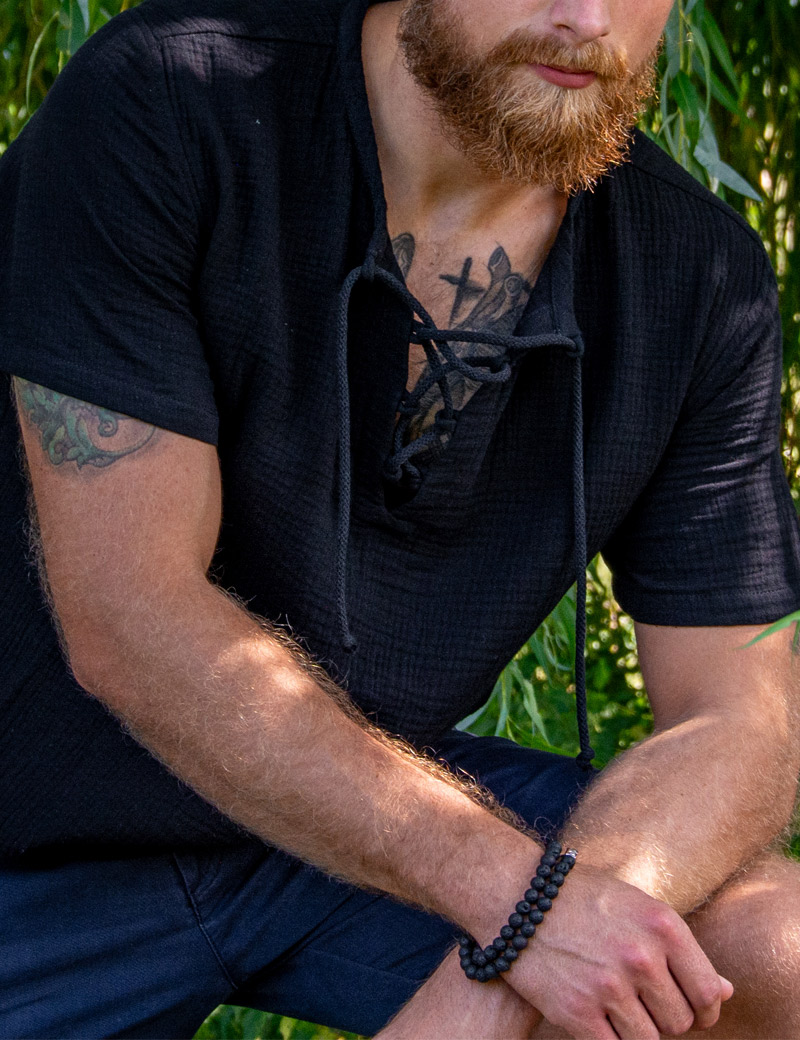
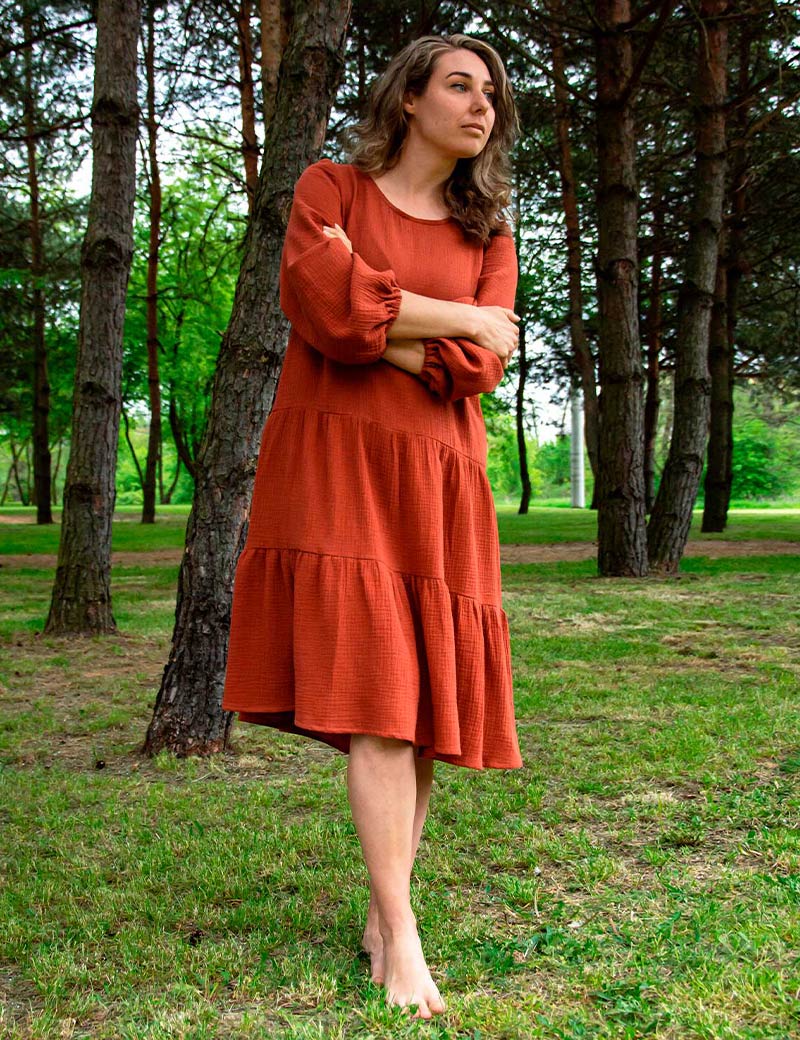
Viking clothing was an important part of their culture and reflected their lifestyle, climatic conditions and social norms. Studying these aspects provides a deeper understanding of how these people lived. If you are interested in Scandinavian and medieval style, we invite you to browse our range of clothing. We create natural products that combine modern and medieval style. Comfortable muslin clothing, such as a men's muslin shirt, will help you feel like you are part of TV series and movies such as The Lord of the Rings and The Witcher. Many of our customers buy Viking shirts for festivals, cosplay and just for everyday life. Our men's muslin shirt made of natural material is the perfect choice for those who appreciate comfort and Viking-inspired style.