

Viking clothing: daily life and battles
Viking clothing: daily life and battles
When we think of Vikings, we often picture battle-hardened warriors in helmets (sometimes mistakenly with horns), sailing cold northern seas. But what did they really wear in everyday life? How did their home outfits differ from what they wore on expeditions? And how were their garments actually made?
Let’s explore the fascinating world of Viking clothing.
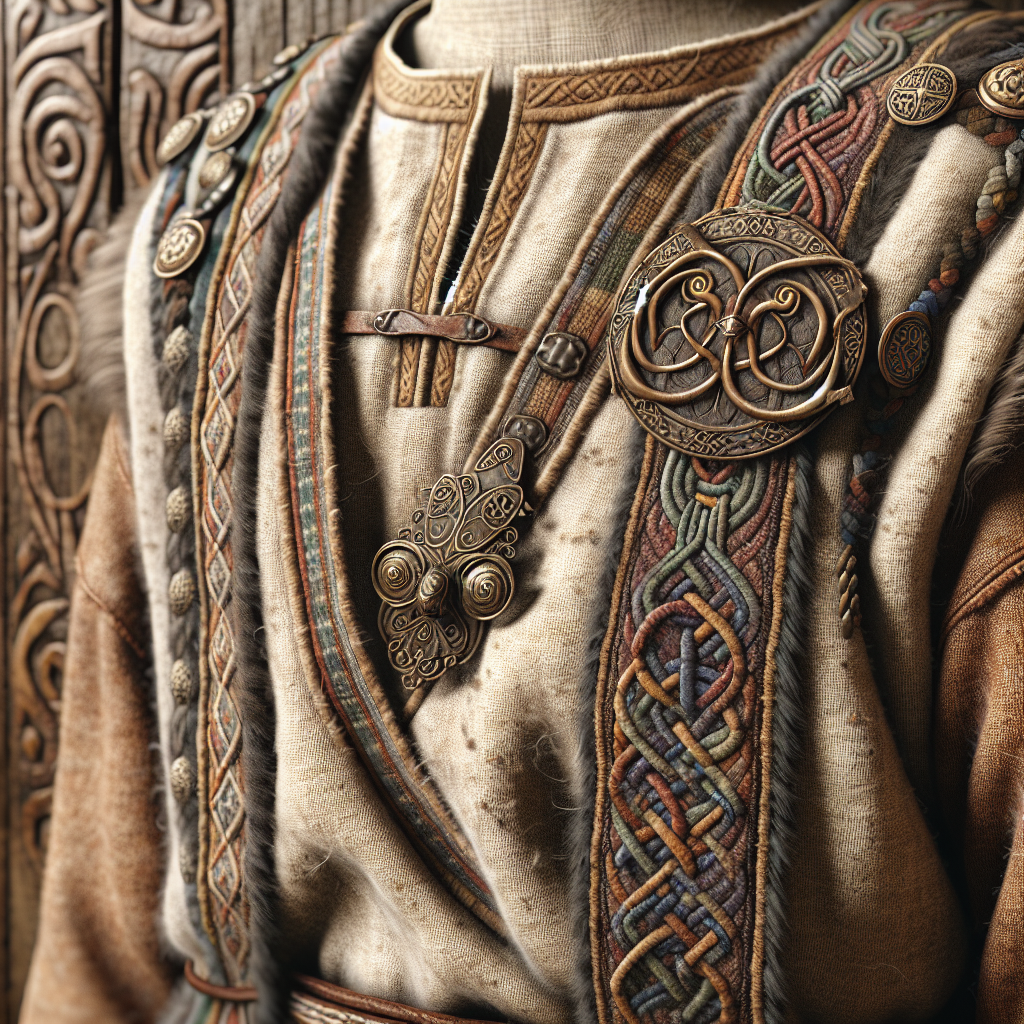
From Sheep to Shirt: Viking Materials and Fabric
Vikings made their clothes from scratch, using materials available in their environment. Their primary resources were:
-
Wool – the main fabric, sheared from their own sheep. It was hand-spun into yarn and woven on vertical looms.
-
Linen – grown from flax, used for undergarments and lighter wear.
-
Leather and fur – from wild and domestic animals, ideal for shoes, cloaks, and cold-weather accessories.
They dyed their fabrics with natural pigments: blue from woad, red from madder root, yellow from alder bark. Bright colors often reflected higher social status.
Everyday Clothing at Home
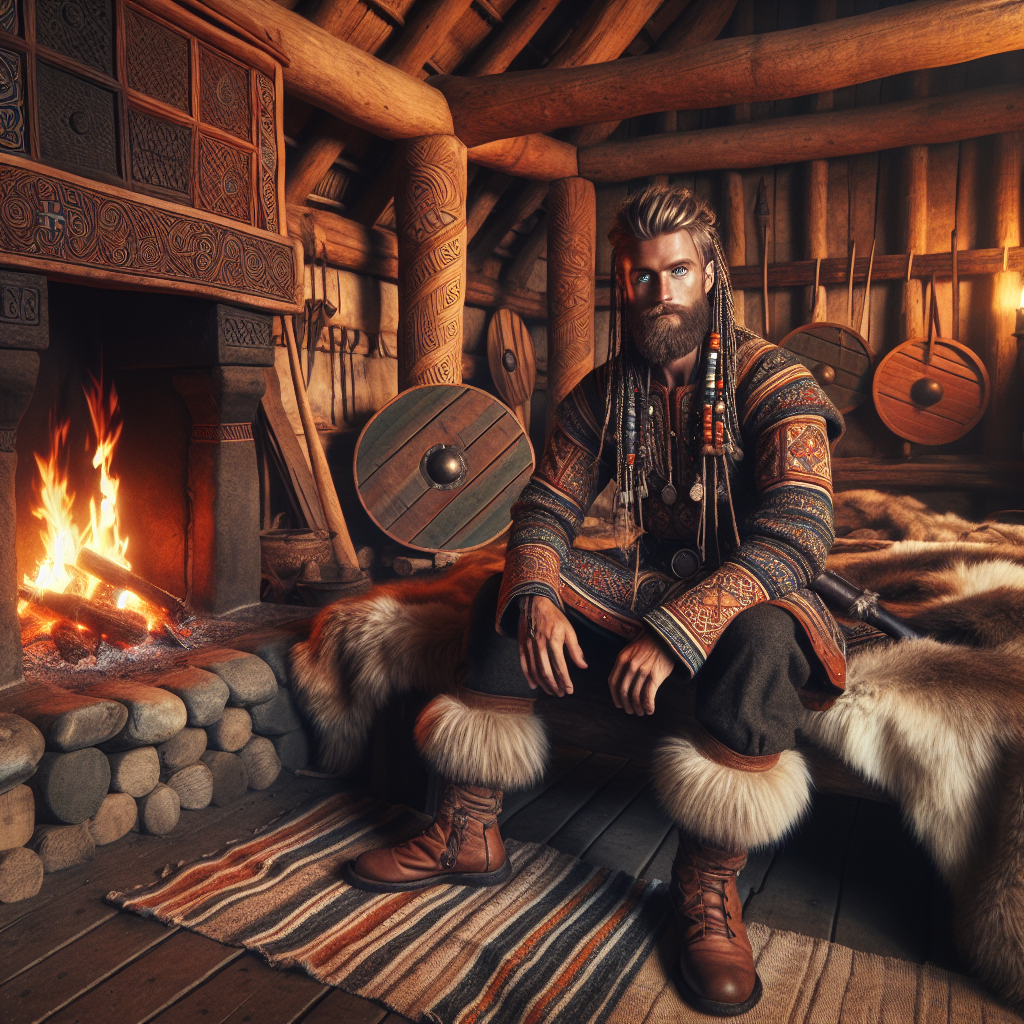
Viking clothes were practical, comfortable, and layered for changing weather.
Men typically wore:
-
a linen undershirt,
-
wool trousers tied with a belt,
-
simple leather shoes or went barefoot indoors.
Women wore:
-
a long linen dress,
-
over it, a wool apron-dress fastened with brooches (a signature Viking look),
-
wool shawls or cloaks in colder seasons.
The cuts were loose-fitting, allowing for movement and easy layering. Clothes were often decorated with trim or embroidery, especially along sleeves and hems.
Travel and Expedition Clothing
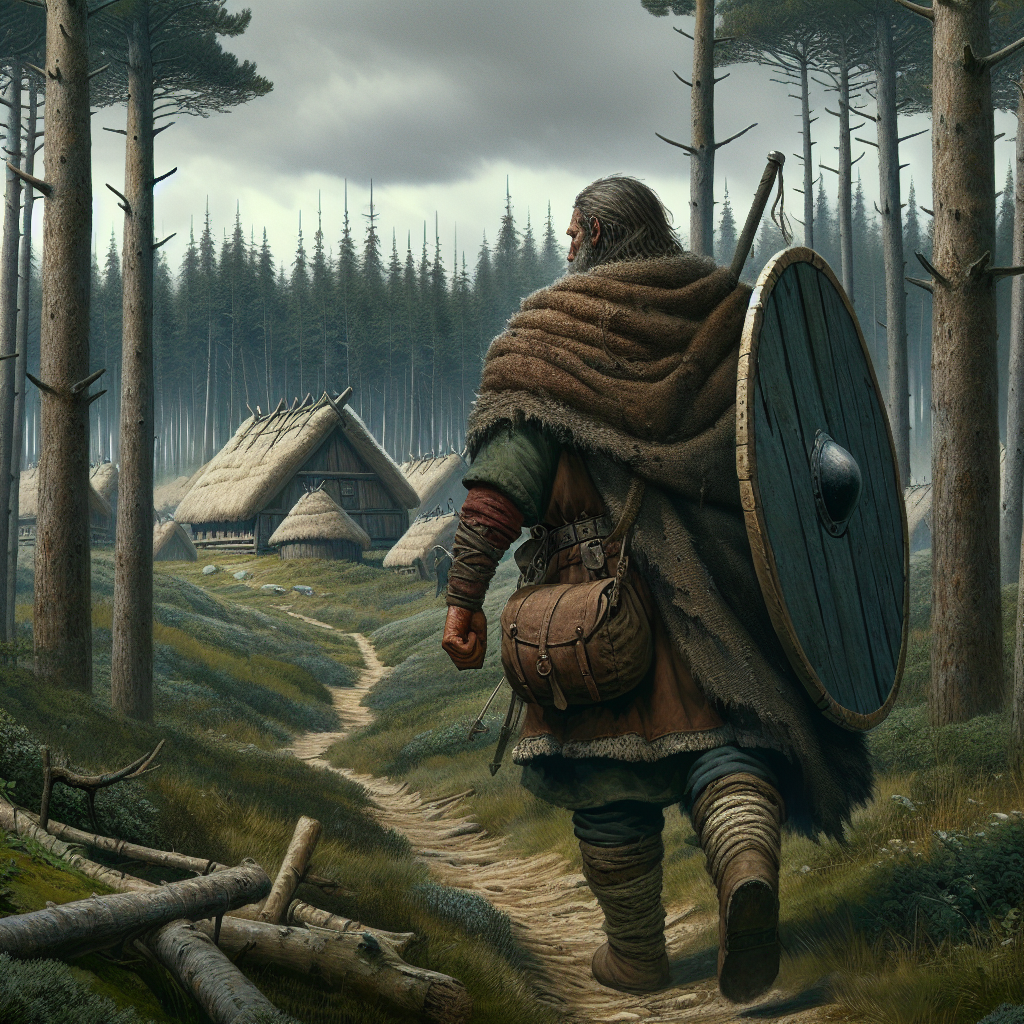
When heading out on long journeys or raids, Vikings dressed for harsh weather and endurance.
Their travel attire included:
-
a thick wool tunic,
-
trousers and leg wraps,
-
sturdy leather boots,
-
a warm wool cloak fastened with a metal brooch.
They sometimes added fur layers for insulation. Wealthier warriors might wear chainmail or leather armor, but these were not common for all.
Clothing had to be tough, repairable, and warm — and a needle and thread were part of any serious traveler’s kit.
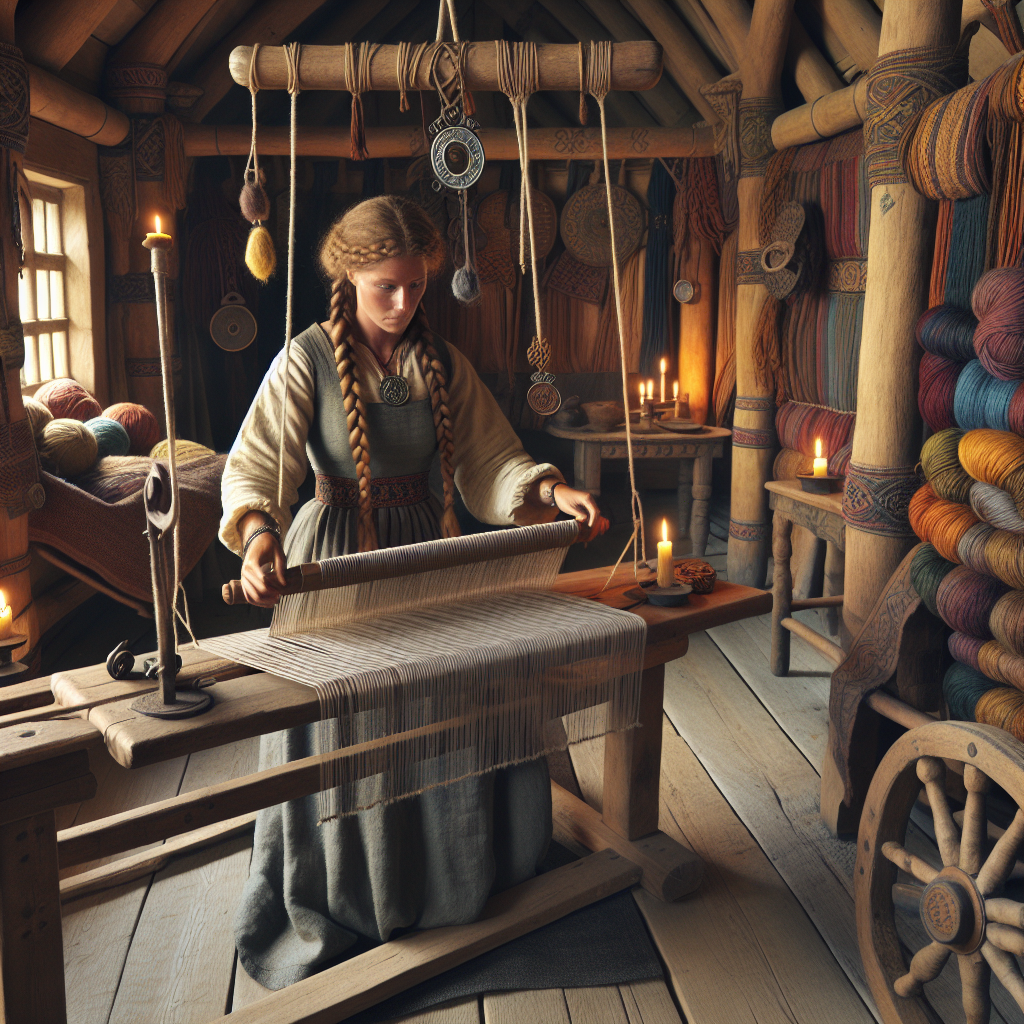
How Viking Clothing Was Made
Making a single outfit took time and skill:
-
Shearing – sheep were sheared once a year.
-
Spinning – wool was spun into yarn by hand, often by women.
-
Weaving – done on upright looms, usually by women in the household.
-
Cutting and sewing – garments were cut without formal patterns, then stitched with linen thread.
-
Finishing touches – garments were decorated with woven trim, embroidery, and brooches.
Sewing was mainly done by women and passed down through generations. Clothes were handmade — every piece was personal and functional.
Fun Facts
-
Some Viking trousers had surprisingly complex construction with gussets and pleats.
-
Hoods and wool hats were worn in cold climates.
-
Archaeologists have found fragments of silk in Viking graves — a sign of trade reaching as far as Persia and China.
Final Thoughts
Viking clothing was more than just protection from the cold — it was an expression of culture, identity, and craftsmanship. Each stitch told a story. Their outfits were durable, practical, and often beautifully detailed.
And if you’re inspired by the spirit of the North, take a look at our collection —
linen shirts, and for women, dresses inspired by Viking heritage are available on our website: Lariko studio