

Loose Threads and Open Roads: How to Choose a Boho Dress That Fe
Loose Threads and Open Roads: How to Choose a Boho Dress That Fe
There is something quietly radical about choosing a boho dress — a garment that refuses to be hurried, that moves with you rather than against you. Bohemian dressing is not a trend that arrives and disappears with the seasons. It is a way of relating to clothing as something personal, unhurried, and rooted in craft. Whether you are drawn to flowing silhouettes for everyday wear, searching for a dress that feels right at a wedding, or simply trying to understand what boho style actually means, this guide is here to help you think it through. We will cover what defines a boho dress, how to choose one that genuinely suits you, what to look for in terms of fabric and construction, and how to wear this aesthetic in ways that feel authentic rather than costumed. The goal is not to hand you a shopping list. It is to help you develop a clearer sense of what you are looking for — and why it matters.
What Is a Boho Dress, Really
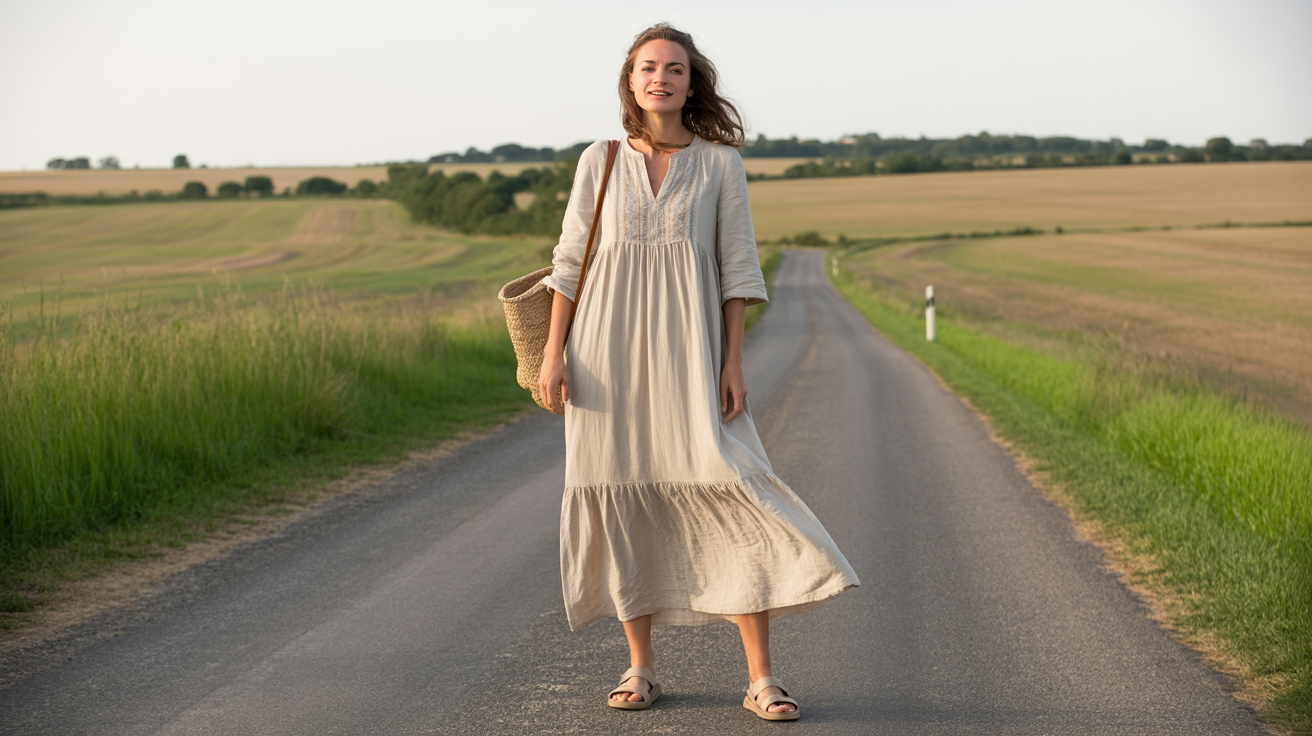
The question of what is a boho dress comes up more often than you might expect, and it deserves a thoughtful answer rather than a shortlist of design details. Boho — short for bohemian — draws on a long cultural history of dressing outside convention. It emerged most visibly in the 1960s and 1970s as a reaction against structured, tailored fashion, borrowing freely from folk traditions across Eastern Europe, North Africa, and South Asia. The result was clothing that prioritised ease, handcraft, and a certain rootedness in natural materials.
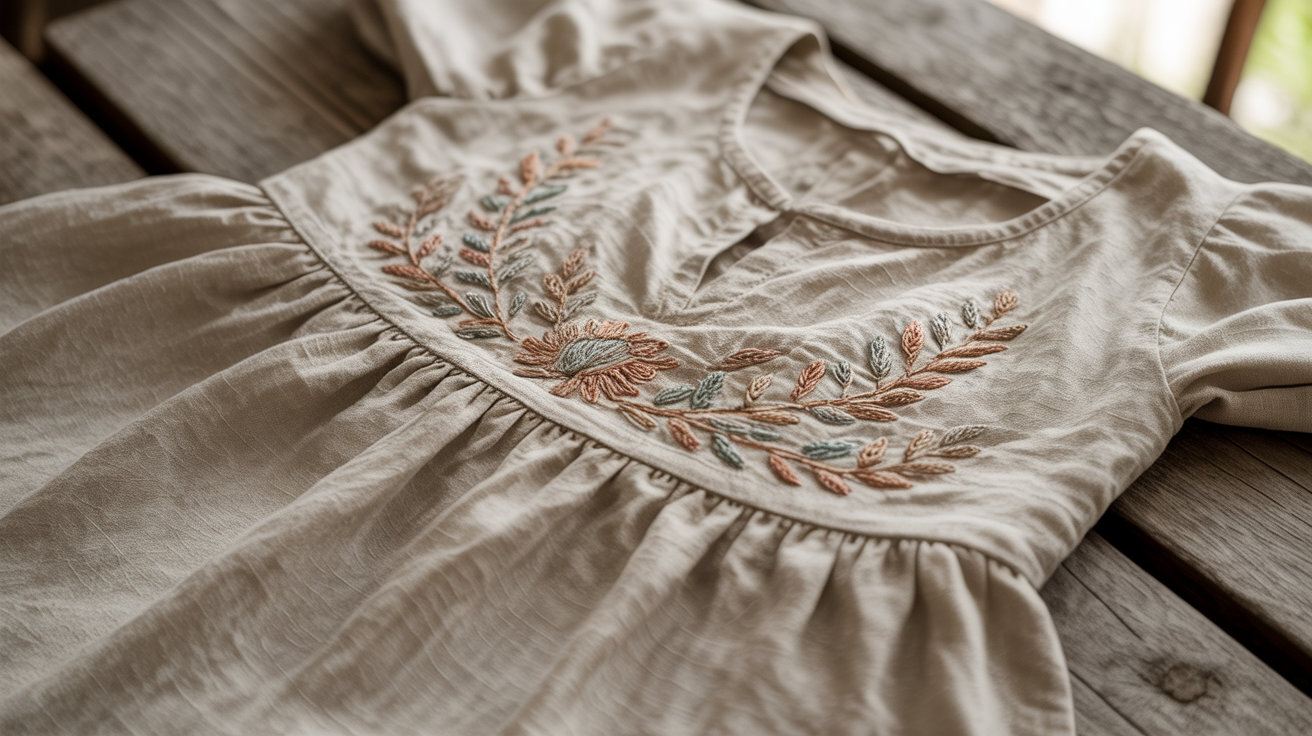
In practical terms, a boho dress tends to share some recognisable characteristics: relaxed, unstructured silhouettes; natural or semi-natural fabrics such as linen, cotton, muslin, or wool; surface details like embroidery, smocking, or crochet; and earthy or muted colour palettes punctuated occasionally by rich jewel tones. Layers are common. So are wide sleeves, tiered skirts, and necklines that sit low or wide.
But the deeper definition is less about any single design element and more about a philosophy. A boho dress is one that prioritises how it feels to wear it — physically and emotionally — over how it performs in a trend cycle. That is why so many people find themselves returning to this style again and again. It tends to age well, both on the body and in the wardrobe.
Understanding how to dress boho begins with understanding this philosophy. It is not about accumulating the right pieces. It is about choosing garments that feel genuinely connected to how you want to live.
Fabric First: Why Material Defines the Boho Dress Experience
If there is one principle that separates a quality boho dress from a fast fashion imitation, it is fabric. Synthetic materials can replicate the visual language of bohemian style — the drape, the print, the loose silhouette — but they cannot replicate the way natural fibres feel against skin, move in air, or age over time.
Linen is perhaps the most honest of all boho fabrics. It wrinkles readily and unapologetically. It softens with every wash. It breathes in heat and insulates gently in cooler weather. A linen boho dress does not pretend to be pristine. It carries its wear openly, and that quality is part of its character.
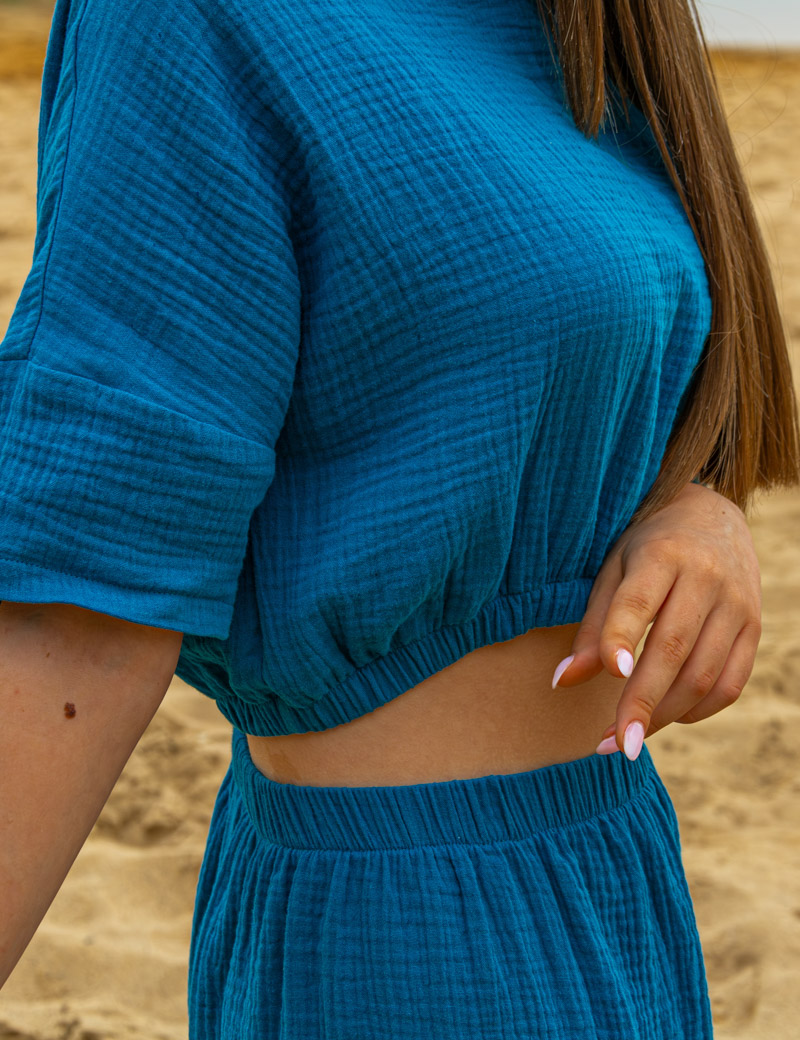
Cotton — particularly organic or unbleached cotton — offers a softer hand and a slightly more refined drape. Muslin, a loosely woven cotton, is lighter still and creates that almost weightless quality that many boho silhouettes depend on. Wool enters the picture in layered or transitional pieces, bringing warmth without heaviness.
When you are evaluating quality boho dresses, touch the fabric before anything else. If it feels stiff, plasticky, or unusually light for its visual weight, it is likely synthetic or synthetic-blend. Natural fibres have a particular texture — slightly irregular, responsive, alive in a way that is hard to articulate but easy to feel.
For those shopping in specific markets — whether you are looking at boho dresses Toronto boutiques or browsing boho dresses NZ retailers — the challenge is often finding brands that prioritise natural construction over visual novelty. It is worth taking the time to read fibre content labels and ask questions about sourcing.
Discover natural fabric pieces from Lariko Studio — crafted for occasions like this:
|
|
Silhouette and Fit: Finding What Works for Your Body
One of the genuinely generous qualities of boho style is its relationship with the body. Because the aesthetic leans toward relaxed, unstructured shapes, it tends to be more inclusive across body types than more tailored fashion categories. That said, not every boho silhouette works equally well for every person, and understanding a few basic principles can help you choose more confidently.
Tiered maxi dresses create volume and movement at the hem while often staying fitted or smocked at the bodice — a combination that works well for many body shapes. Wrap-style boho dresses offer adjustability at the waist and can be cinched or left loose depending on preference. Kaftan silhouettes, which fall under the broader category of boho kaftan dress styles, are among the most generous cuts available — wide through the body, often with wide sleeves, and designed to move freely rather than conform to any particular shape.
For those looking for something with a slightly more defined silhouette — what some people describe as a sexy boho dress — the key is usually contrast: a looser skirt balanced by a more fitted or structured bodice, or a relaxed overall shape brought in at the waist with a belt or tie. The boho aesthetic does not require hiding the body. It simply does not demand that the body conform to the garment.
If you are shopping for a boho dress XXL or in extended sizes, look specifically for brands that draft their larger sizes proportionally rather than simply scaling up a smaller pattern. The difference in fit and drape is significant, and it is one of the markers of a brand that takes its full size range seriously.
Pairing your dress with the right separates can also shift the silhouette considerably. Women's Trousers worn under a shorter boho dress or tunic-length style can add layering and visual interest while changing the overall proportions of the look.
The Boho Wedding Dress: What to Know Before You Choose
Few style decisions carry as much weight as choosing a wedding dress, and the category of boho wedding dressing has grown considerably over the past decade. Understanding what makes a wedding dress boho — and what distinguishes it from a conventional bridal gown — can help you navigate this choice with more clarity.
A boho wedding dress typically shares the same foundational qualities as any boho garment: natural or semi-natural fabrics, relaxed construction, and a preference for organic detail over architectural structure. Where conventional bridal gowns often rely on boning, structured underlining, and heavy embellishment, boho wedding dresses tend toward softness — flowing chiffon, delicate lace, or lightweight cotton. Floral embroidery, lace inserts, and open backs are common details.
The category of wedding dresses boho is broad enough to include everything from a simple, unadorned linen shift to an elaborate tiered gown with hand-stitched floral detail. What unites them is a shared sensibility: the dress should feel like an extension of the person wearing it, not a performance costume.
For those attending rather than marrying, the question of wedding guest dress boho choices involves slightly different considerations. A wedding guest dresses boho style should feel celebratory without competing with the wedding party. Earthy tones, soft florals, and midi or maxi lengths tend to work well. Avoid anything too casual — a relaxed silhouette can still be made from elevated fabric and finished with care.
Boho wedding guest dresses in linen or cotton are particularly well-suited to outdoor or garden ceremonies, where the breathability of natural fabric becomes genuinely practical as well as aesthetically appropriate.
How to Build a Boho Wardrobe Without Starting Over
One of the more persistent myths about bohemian style is that it requires a complete wardrobe overhaul. It does not. Understanding how to dress boho on a budget — or simply how to incorporate boho pieces into an existing wardrobe — is largely a matter of knowing which garments carry the most stylistic weight and which can be mixed with what you already own.
A single well-chosen boho dress can anchor an entire approach to getting dressed. Worn alone with sandals and simple jewellery, it reads as complete and intentional. Layered over a fitted long-sleeve top in cooler months, it extends its wearable season considerably. Belted at the waist and paired with ankle boots, it shifts in register without losing its essential character.
Adding a few key separates can extend the possibilities further. Boho Shirts Women styles — loose, natural-fabric tops with interesting detail at the sleeve or neckline — layer naturally with dresses and can be worn tucked or untucked depending on the look you are after.
When people describe themselves as a boho babe dress enthusiast or talk about building a boho-leaning wardrobe, what they often mean is that they want their clothes to feel less effortful — less like a daily negotiation between comfort and appearance. The good news is that this is achievable without spending heavily. The key is buying fewer, better pieces and choosing natural fabrics that will actually improve with age rather than degrade.
If you are researching boho dress companies to shop from, look for transparency about materials and production. Brands that publish their fabric sourcing, use natural dyes, or work with small-scale production tend to produce garments that hold up — both physically and aesthetically — over time.
Caring for Your Boho Dress So It Lasts
Natural fabrics require a different kind of care than synthetics, and understanding this is part of committing to a slower, more considered approach to dressing. Linen and cotton can generally be machine washed on a gentle or cool cycle, but they benefit from being hung to dry rather than tumble dried. Heat is the primary enemy of natural fibre longevity — it weakens the fibres over time and can cause shrinkage or distortion in loosely woven fabrics.
Ironing linen while slightly damp produces a cleaner result and is less stressful on the fabric than ironing dry. If you prefer the lived-in look — which is, after all, entirely in keeping with the boho aesthetic — linen can simply be hung after washing and left to dry with its natural creases intact.
Storage matters too. Natural fabrics breathe, and they benefit from being stored in ways that allow air circulation rather than being compressed in sealed bags. Folding rather than hanging is generally better for heavy linen pieces, as hanging can distort the shape over time.
A well-cared-for boho dress in quality linen or cotton can last for years — often a decade or more — and will soften and improve in texture with each wash. This is the quiet promise of natural fabric: it rewards patience and attention.
FAQ
What is a boho dress and how is it different from other dress styles?
A boho dress is a garment rooted in bohemian style — characterised by relaxed silhouettes, natural fabrics, and handcraft details such as embroidery or smocking. Unlike more structured or trend-driven dress styles, a boho dress prioritises ease, individuality, and longevity over conformity to seasonal fashion cycles.
What is a boho wedding dress and what makes it different from a traditional bridal gown?
A boho wedding dress tends to be softer and less structured than a conventional bridal gown. It typically uses lightweight natural or semi-natural fabrics, avoids heavy boning or architectural construction, and features organic details like lace, floral embroidery, or open backs. The overall feeling is one of ease and personal expression rather than formal ceremony.
How do I dress boho without it looking like a costume?
The key is to choose pieces that genuinely suit your body and lifestyle rather than assembling a visual checklist of boho signifiers. Start with one or two well-made natural fabric garments that you find comfortable and beautiful. Let the style develop from there rather than trying to achieve a complete look all at once. Authenticity in boho dressing comes from wearing what actually feels right, not from matching a reference image.
Are there good options for boho dresses in extended sizes?
Yes, though the quality varies considerably between brands. When shopping for a boho dress in extended sizes, look for brands that draft their larger sizes proportionally and use fabrics with enough drape and give to work well across a range of bodies. Kaftan and wrap silhouettes tend to be the most consistently successful across sizes.
How do I choose a boho dress as a wedding guest?
For a wedding guest dress in boho style, aim for a balance between relaxed and celebratory. Natural fabrics in soft florals, earthy tones, or muted jewel tones work well. Midi and maxi lengths are generally appropriate for most wedding settings. Avoid anything too casual in fabric or construction — a boho silhouette can still be elevated through the quality of its material and finish.
Finding Your Version of Boho
Bohemian style, at its best, is not a look you put on. It is a relationship with clothing that develops slowly, through attention to what actually feels good and what genuinely reflects who you are. A well-chosen boho dress — made from honest materials, cut with care, and worn with intention — is one of the most versatile and enduring things you can add to a wardrobe.
At Lariko Studio, we work with natural fabrics — linen, cotton, muslin, wool — and design pieces that are meant to be worn for years, not seasons. If you are ready to explore what slow, considered boho dressing looks like in practice, we invite you to browse our collections and find the pieces that feel like yours.
Discover natural fabric pieces from Lariko Studio — crafted for occasions like this:
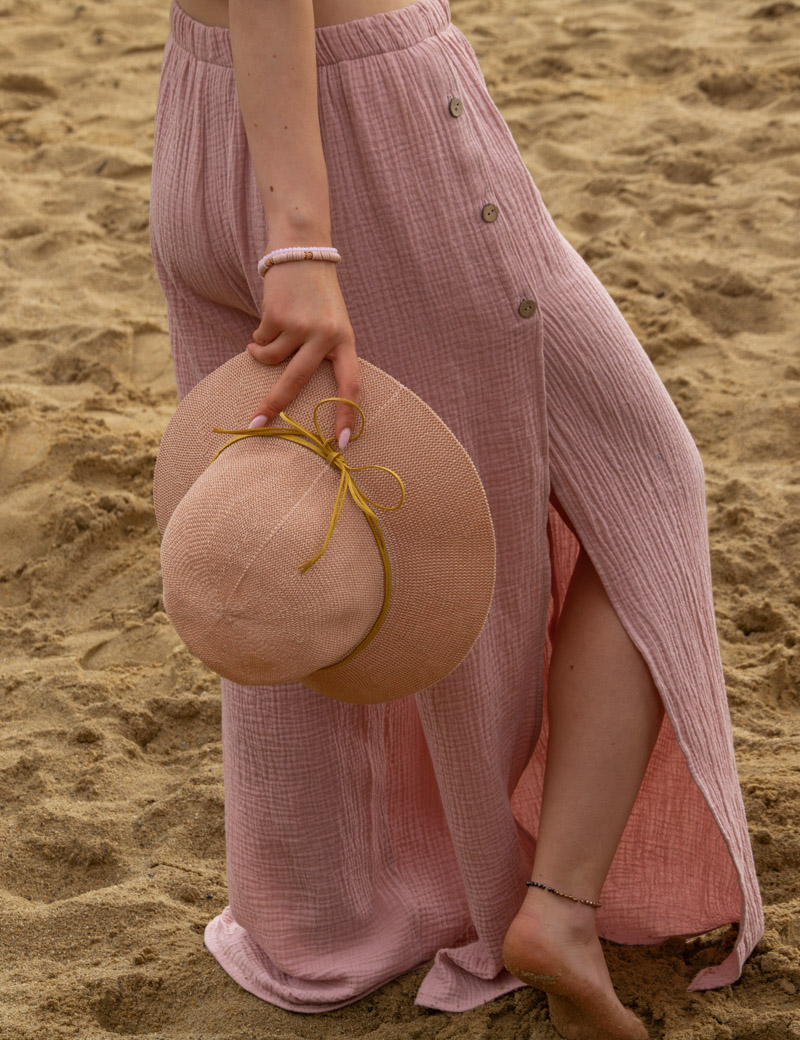
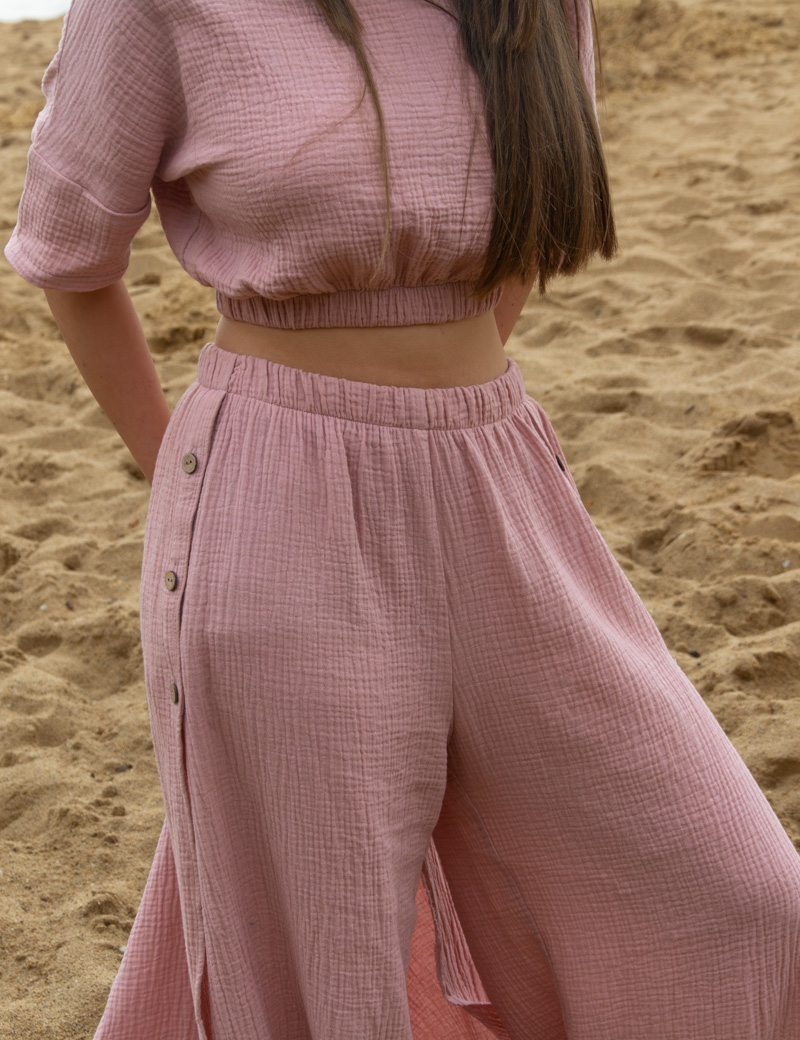
Loose women's palazzo pants with wide pants and side slits HAREMKI |
|