

Slow Cloth, Sacred Day: Choosing Natural Fabric for a Wedding
Slow Cloth, Sacred Day: Choosing Natural Fabric for a Wedding
Choosing dresses for a wedding is one of the most personal decisions a person makes in the lead-up to a celebration. Whether you are the one getting married, standing beside a friend at the altar, or attending as a guest, the dress you wear carries meaning. It becomes part of the memory. And yet so much of what fills bridal boutiques and fast-fashion rails is made from synthetic fabric — polyester charmeuse, nylon lace, acrylic embellishments — materials that feel nothing like skin, breathe nothing like air. There is another way. Natural fabrics — linen, cotton, muslin, wool — have clothed people at ceremonies for centuries. They move honestly, age gracefully, and carry a quiet authority that no synthetic can replicate. This guide is for anyone who is looking for a dress for a wedding and wants something that feels as real as the moment itself.
Why Natural Fabric Belongs at a Wedding
A wedding is, at its core, a ritual. And rituals ask for materials that carry weight — not heaviness, but presence. Natural fibres have that quality. Linen, woven from flax, has been used in ceremonial dress across cultures for thousands of years. Cotton breathes against the body in a way that allows you to be fully present rather than distracted by discomfort. Muslin, often overlooked, drapes with a softness that photographs beautifully in natural light.
When you are dressing for a wedding, synthetic fabrics can work against you. They trap heat, create static, and often look flat in photographs taken outdoors. Natural fabrics, by contrast, interact with light. Linen catches the sun. Loose cotton shifts in the breeze. These are not minor aesthetic points — they are the difference between a dress that performs and a dress that lives.
There is also the matter of ethics. Slow fashion asks us to consider where our clothes come from and what they are made of. Choosing a dress in wedding contexts that is made from natural, responsibly sourced fabric is a quiet act of alignment — between the values you hold and the way you show up in the world, even on a single day.
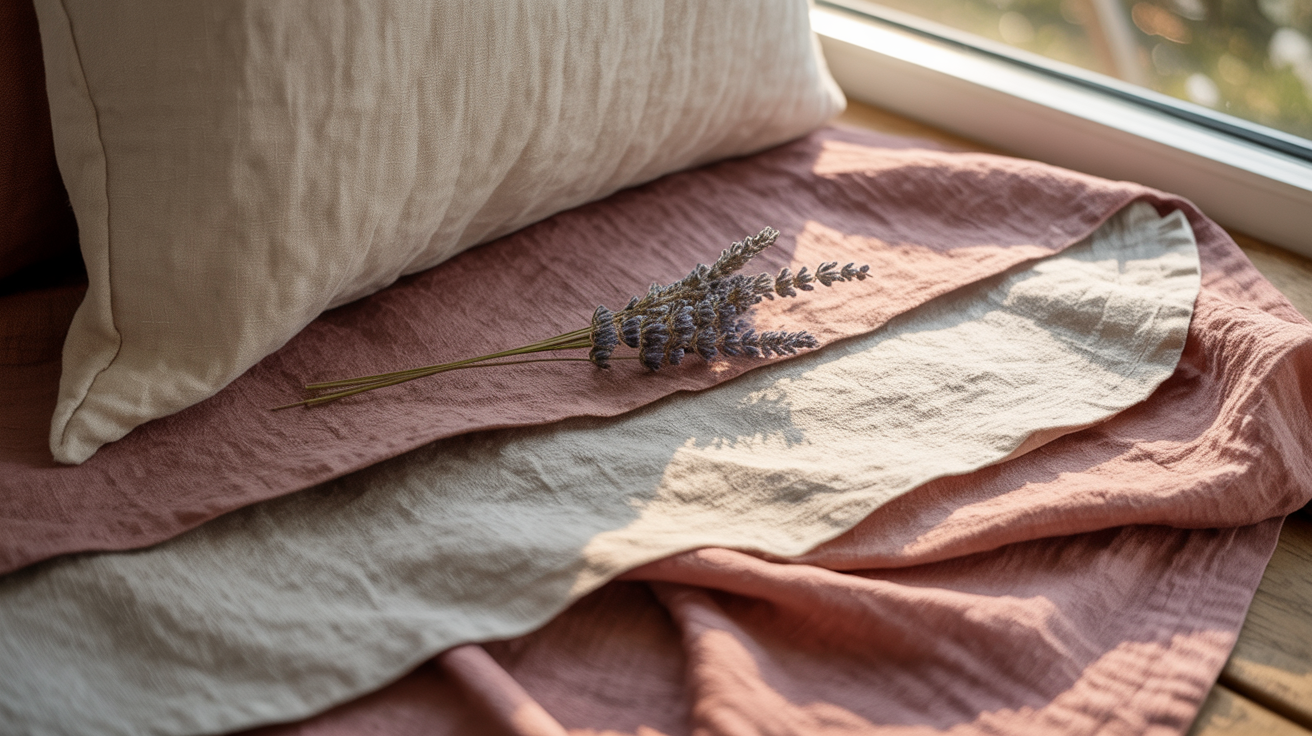
The Ethereal Aesthetic: Linen, Muslin, and the Art of Softness
The phrase ethereal wedding dress tends to conjure images of flowing silhouettes, muted tones, and fabric that moves like water. This aesthetic is not a trend — it is a return to something older. Before synthetic fibres existed, all ceremonial dress was made from natural materials, and the beauty of those garments came precisely from the way the fabric behaved.
Linen is perhaps the most interesting fabric for this purpose. It is slightly textural, which means it catches light differently across its surface. An undyed or naturally dyed linen dress on a wedding day does not look flat or mass-produced. It looks considered. Muslin, particularly in its finer weights, creates the kind of softness associated with what people now call an ethereal look — layers of it can be used to build volume without weight.
For those drawn to a witchy wedding dress or a witch wedding dress aesthetic — darker tones, asymmetric cuts, a sense of mystery — linen and heavy cotton are equally at home. A deep charcoal linen, a forest-green cotton gauze, or a layered black muslin can create something genuinely striking without relying on synthetic velvet or polyester satin. The witchy wedding dress aesthetic, when built from natural fabric, feels grounded rather than costume-like. It has roots.
Dip Hems, Layers, and Indie Silhouettes
Not all dresses for a wedding need to follow traditional shapes. Some of the most beautiful ceremonial dressing happens at the edges of convention. Dip hem dresses for weddings — where the back hem falls longer than the front — work particularly well in natural fabrics because the drape of linen or cotton gives the asymmetry a sense of intention rather than accident. The hem moves differently at different lengths, creating visual interest without embellishment.
Layered dresses for weddings are another approach worth considering. Multiple layers of fine cotton or muslin create depth and movement that a single layer of heavy synthetic fabric cannot replicate. Each layer catches light slightly differently. When you walk, the layers shift against each other. It is a quiet kind of beauty.
Indie wedding dresses — a broad term that covers non-traditional, often handmade or small-batch ceremonial dress — are almost always better realised in natural fabric. The independent aesthetic is fundamentally about authenticity, and there is nothing more authentic than cloth made from plants. If you are looking for a dress for a wedding that does not look like anything you would find in a chain bridal boutique, natural fabric is the place to start.
Dresses for a Farm Wedding, September Weddings, and Outdoor Celebrations
The setting of a wedding shapes what you wear. Dresses for a farm wedding ask for something that can handle uneven ground, afternoon sun, and the particular informality of an outdoor celebration. Linen is ideal here. It does not wilt in heat, it does not cling, and it looks appropriate whether you are standing in a field or seated at a long table under a canopy.
Dresses for a wedding in September present a specific challenge: the month sits between summer and autumn, and the temperature can shift significantly between ceremony and evening. Layering is the answer, and natural fabrics layer well. A fine cotton or muslin dress worn with a linen jacket or a light wool wrap gives you adaptability without sacrificing coherence. The palette of September — warm ochres, dusty roses, sage greens, terracotta — suits natural fabric particularly well, because undyed or naturally dyed cloth tends to fall into exactly these tones.
For outdoor weddings more broadly, synthetic fabrics carry a risk: they can look cheap in direct sunlight, and they do not handle perspiration gracefully. Natural fabrics absorb moisture and release it. They remain comfortable through long days. If you are dressing for a wedding that will take you from a morning ceremony through an afternoon reception and into an evening celebration, comfort is not a secondary concern — it is the foundation of everything else.
What to Dress for a Wedding: Guidance for Guests
The question of what to dress for a wedding as a guest is one that causes genuine anxiety for many people. The guidance here is simpler than it might seem: dress in a way that is respectful of the occasion, appropriate for the setting, and honest to your own sense of style. Natural fabric helps with all three.
A linen dress in a muted tone — cream, dusty blue, warm terracotta — reads as elegant without competing with the wedding party. A layered cotton dress in a botanical print says something about personality without being distracting. If you are a guest at a farm wedding or an outdoor celebration, a dress for weddings made from natural fabric will keep you comfortable and look considered.
It is worth thinking about the dress as part of a broader outfit. Natural fabric works well with leather sandals, woven bags, and simple jewellery. It does not need much. The texture of the fabric itself provides visual interest. If you are looking for a dress for a wedding and you find something in linen or cotton that feels right when you put it on, trust that feeling. Clothes that feel honest on the body tend to look honest in photographs.
For men and non-binary guests who want to approach the occasion with the same thoughtfulness, natural fabric is equally relevant. Boho Pants for Men in linen or cotton offer a way to dress with intention for a wedding without defaulting to synthetic formalwear. Paired with a simple natural-fabric shirt, the result is relaxed, considered, and entirely appropriate for most contemporary wedding settings.
Building a Wardrobe Around the Wedding Occasion
One of the arguments for choosing natural fabric dresses for a wedding — rather than a synthetic garment bought specifically for the occasion — is that natural fabric pieces tend to have a longer useful life. A well-made linen dress does not become a one-occasion item. It can be worn to other celebrations, to summer dinners, to markets and evenings and ordinary days. The investment makes sense across time.
This is the slow fashion argument, and it applies directly to ceremonial dressing. When you choose a dress on a wedding day that is made from quality natural fabric, you are not just choosing something for that day. You are choosing something that will continue to be part of your wardrobe — softening slightly with each wash, becoming more itself over time.
Exploring Boho Women's Clothing with natural fabrics at its centre gives you access to pieces that were designed with exactly this longevity in mind. Garments that work for weddings, and also for the rest of life.
Frequently Asked Questions
Is linen appropriate for a formal wedding?
Yes, depending on the setting and the cut. Linen in a tailored or flowing silhouette, in a neutral or muted tone, reads as elegant and considered. It may not suit the most formal black-tie occasions, but for garden weddings, farm weddings, outdoor ceremonies, and most contemporary celebrations, linen is entirely appropriate — and often more beautiful than synthetic alternatives.
What colours work best for natural fabric wedding dresses?
Natural fabrics take colour in a particular way. Undyed or naturally dyed cloth tends to produce tones that are slightly muted — warm whites, dusty roses, sage greens, ochres, terracotta. These colours photograph well in natural light and suit a wide range of complexions. For guests, muted tones are generally a safe and elegant choice. For brides or those at the centre of the ceremony, the full range of natural dye colours is available.
Can you wear a witchy or dark aesthetic to a wedding in natural fabric?
Absolutely. A witchy wedding dress or dark aesthetic works very well in natural fabric. Charcoal linen, deep forest cotton, black muslin — these materials create the desired effect while feeling grounded and authentic rather than costume-like. The texture of natural fabric adds depth to dark colours that synthetic materials often flatten.
How do I care for a natural fabric dress after a wedding?
Most linen and cotton dresses can be washed at home on a gentle cycle with cold water. Line drying is preferable to machine drying, as it preserves the fabric's structure. Linen in particular benefits from being ironed slightly damp, which softens the cloth. Muslin should be handled gently. With basic care, a quality natural fabric dress will last for many years.
Are layered dresses for weddings practical for outdoor settings?
Yes. Layered dresses in natural fabric are among the most practical choices for outdoor weddings. The layers provide warmth when needed and breathability when it is warm. They also move beautifully in outdoor settings, particularly in any breeze. The key is to choose fine, lightweight layers rather than heavy ones, so that the overall weight of the dress remains comfortable across a long day.
A Closing Thought
A wedding is one of the days people remember most clearly. The light, the faces, the feeling of the clothes against the skin. Choosing dresses for a wedding made from natural fabric is a way of ensuring that what you wear on that day is honest — that it reflects something real about who you are and what you value. Slow cloth for a sacred day is not a compromise. It is a choice that tends to look better, feel better, and last longer than the alternative.
If you are looking for a dress for a wedding — whether you are the one being celebrated or the one celebrating someone else — explore what Lariko Studio has to offer. Natural fabrics, considered design, and a commitment to slow fashion that extends well beyond a single occasion.