

The Quiet Art of Dressing for Someone Else's Big Day
The Quiet Art of Dressing for Someone Else's Big Day
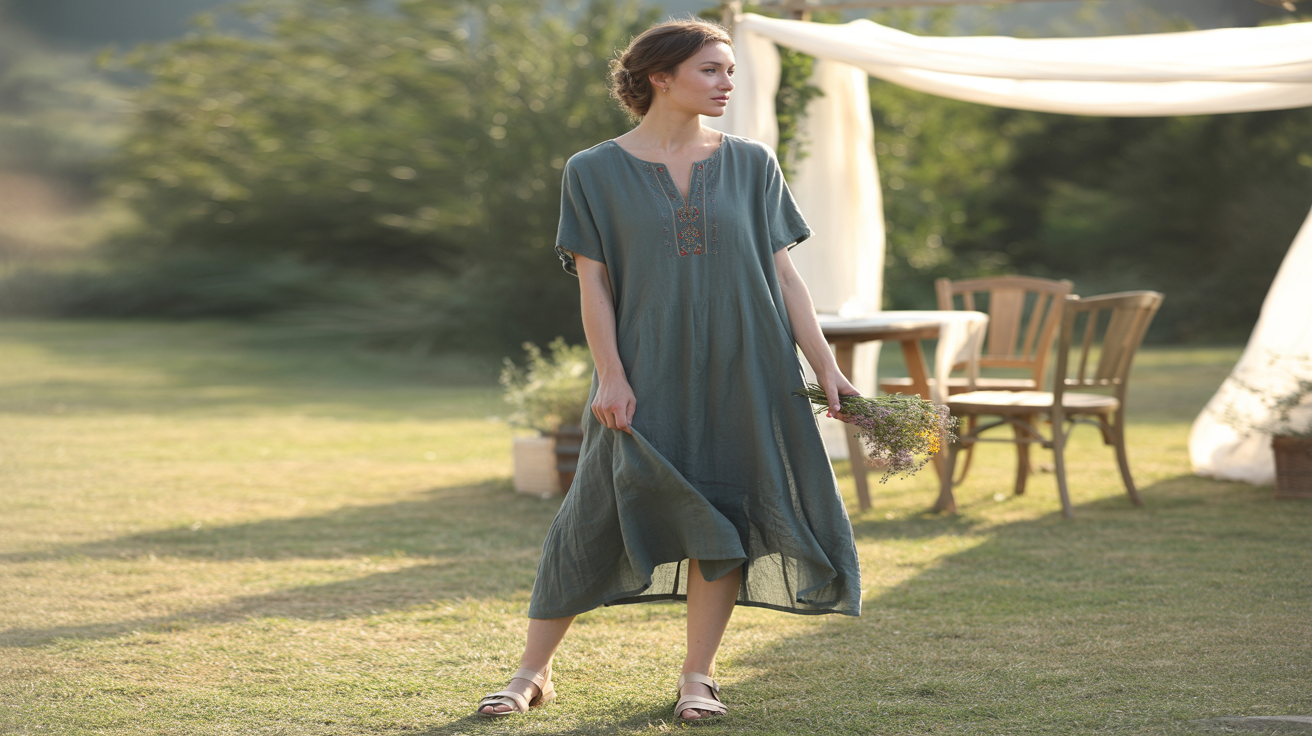
There is a particular kind of care that goes into choosing a wedding attendee dress. You are not the one getting married, and that awareness shapes every decision — the colour you reach for, the fabric you consider, the silhouette you ultimately settle on. Done well, dressing for someone else's wedding is a quiet act of respect: you want to look considered and feel at ease, without drawing attention away from the people whose day it truly is. This guide is for those who approach that task thoughtfully — who care about what they wear, where it comes from, and how it sits on the body over a long, emotionally full day.
Understanding the Unwritten Rules
Most guests arrive at a wedding already knowing the broad conventions: avoid white, dress to the venue's tone, read the invitation carefully. But the finer points are worth unpacking. When a couple writes "smart casual" on their invitation, they are asking for something relaxed but intentional. "Garden party" suggests natural fabrics and soft movement. "Black tie optional" means you can dress formally without being required to.
Beyond dress codes, there is a subtler principle at work. The best wedding dresses for attendees are those that feel like a natural extension of the wearer — not a costume assembled for the occasion. Guests who look most at ease are usually those who have chosen something close to their own aesthetic, simply elevated slightly. A woman who lives in linen does not need to abandon that instinct for a wedding. She needs to find the linen piece that rises to the moment.
Colour is worth pausing on. White and ivory are still widely considered off-limits for guests. Very pale gold or champagne can read as white in certain lighting, so it is worth checking. Beyond that, the field is largely open. Rich jewel tones, dusty earth colours, deep greens and terracottas — all of these tend to photograph beautifully and feel appropriate across a wide range of wedding styles.
Fabric as a Foundation
The question of what to wear to a wedding is often framed as a question of style, but it is just as much a question of fabric. A dress that looks beautiful on a hanger but traps heat, wrinkles badly in a car, or stiffens uncomfortably after a few hours of sitting and dancing is not, in any meaningful sense, the right choice for a long wedding day.
Natural fabrics — linen, cotton, wool, muslin — have a long history of being worn for exactly this kind of occasion, precisely because they breathe, move, and age gracefully over the course of a day. Linen softens with wear rather than deteriorating. Cotton muslin drapes loosely and keeps the body cool. Lightweight wool holds its shape through an evening that moves from outdoor ceremony to candlelit dinner.
For those drawn to the slow fashion ethos, fabric choice is also an ethical consideration. Choosing a dress for a wedding attendee made from natural, responsibly sourced materials means the garment does not end at the wedding — it continues into the rest of your wardrobe, worn again and again in different contexts. That kind of longevity is, quietly, a more sustainable way to dress.
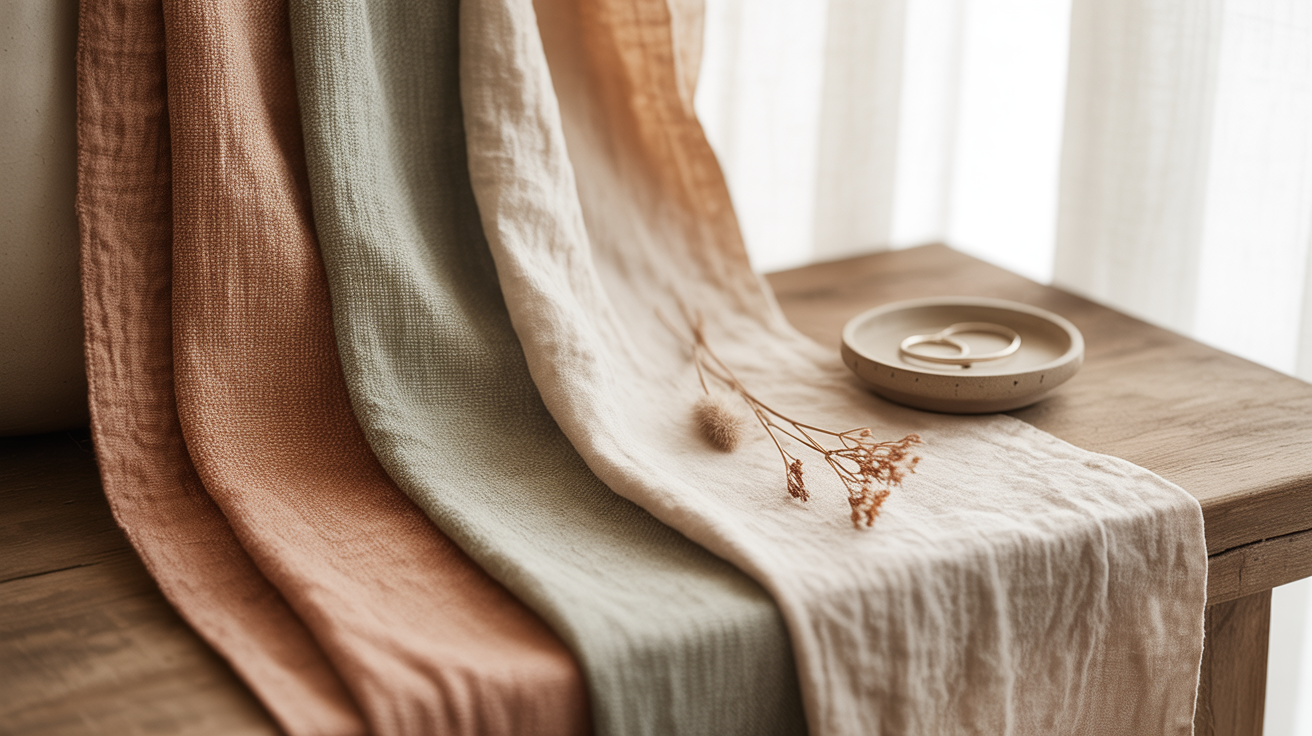
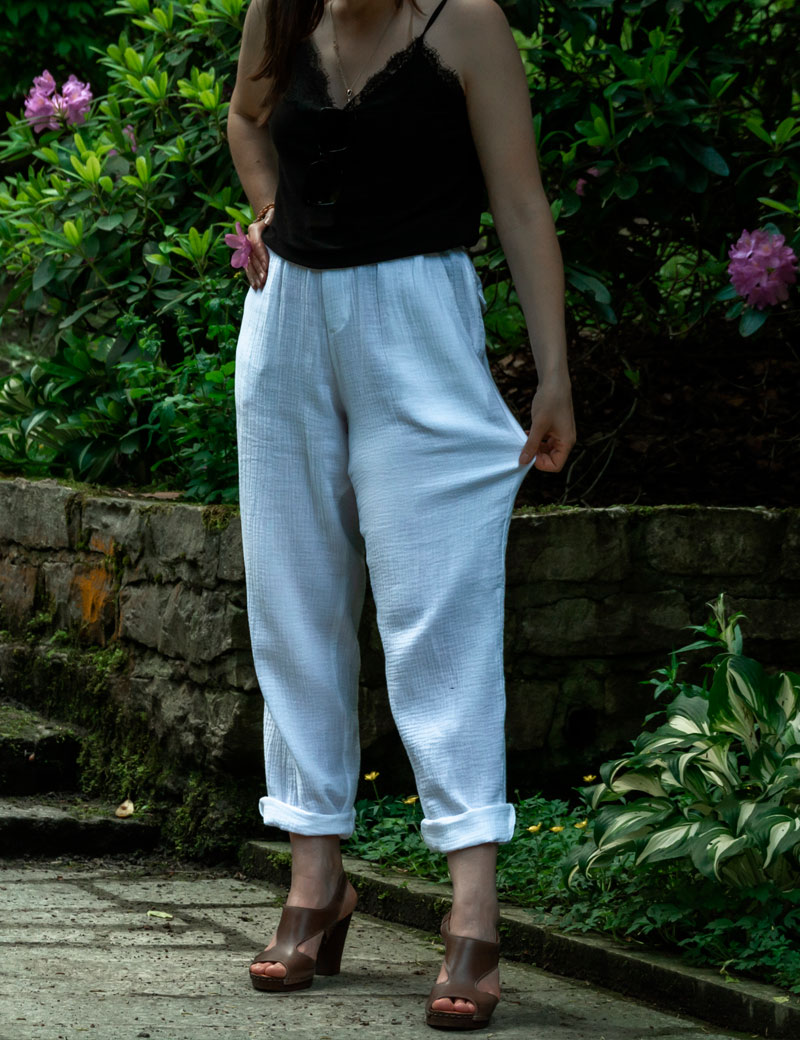
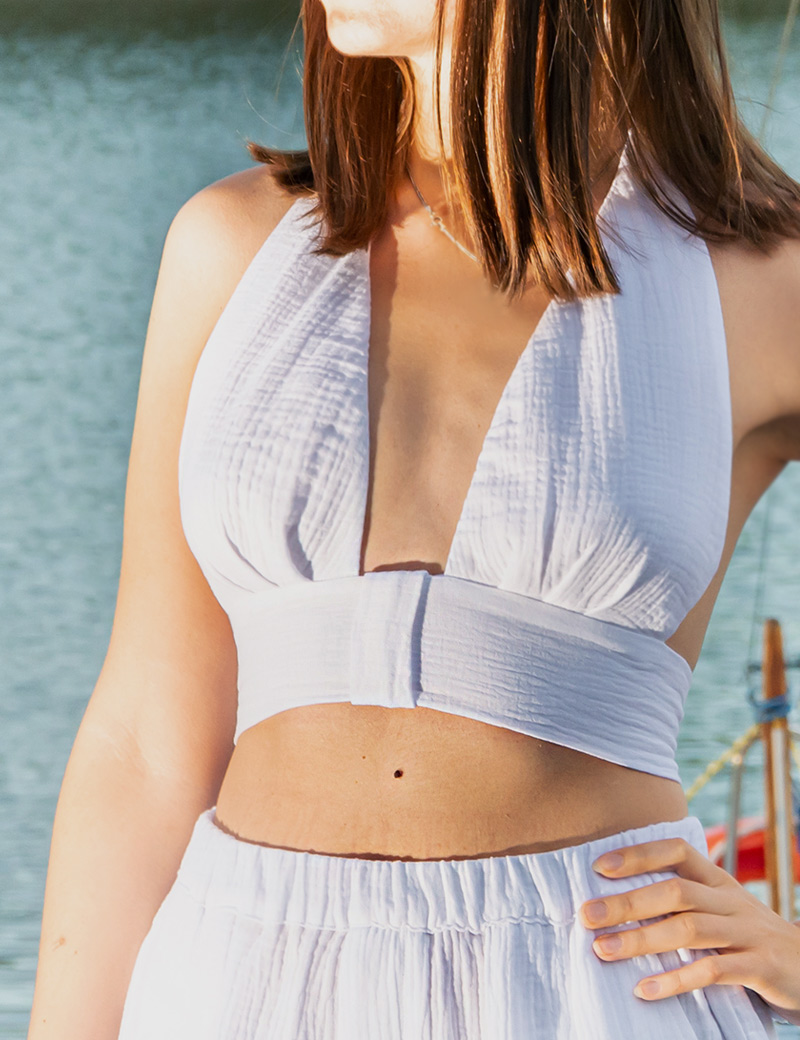
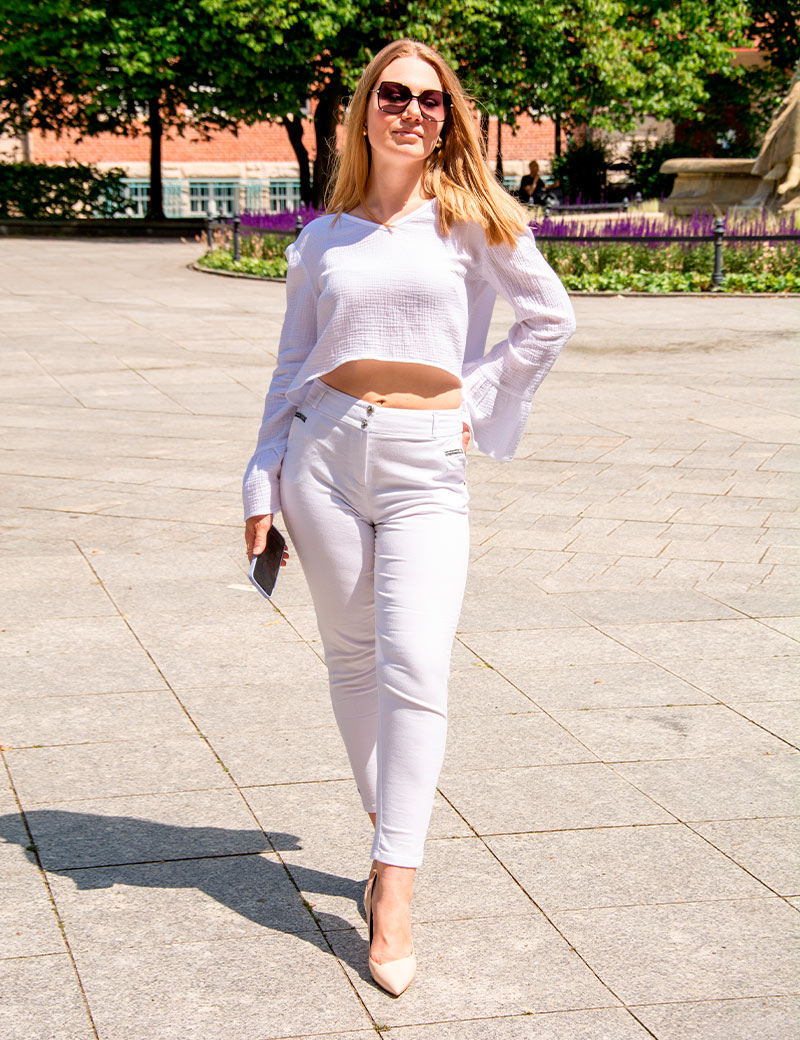
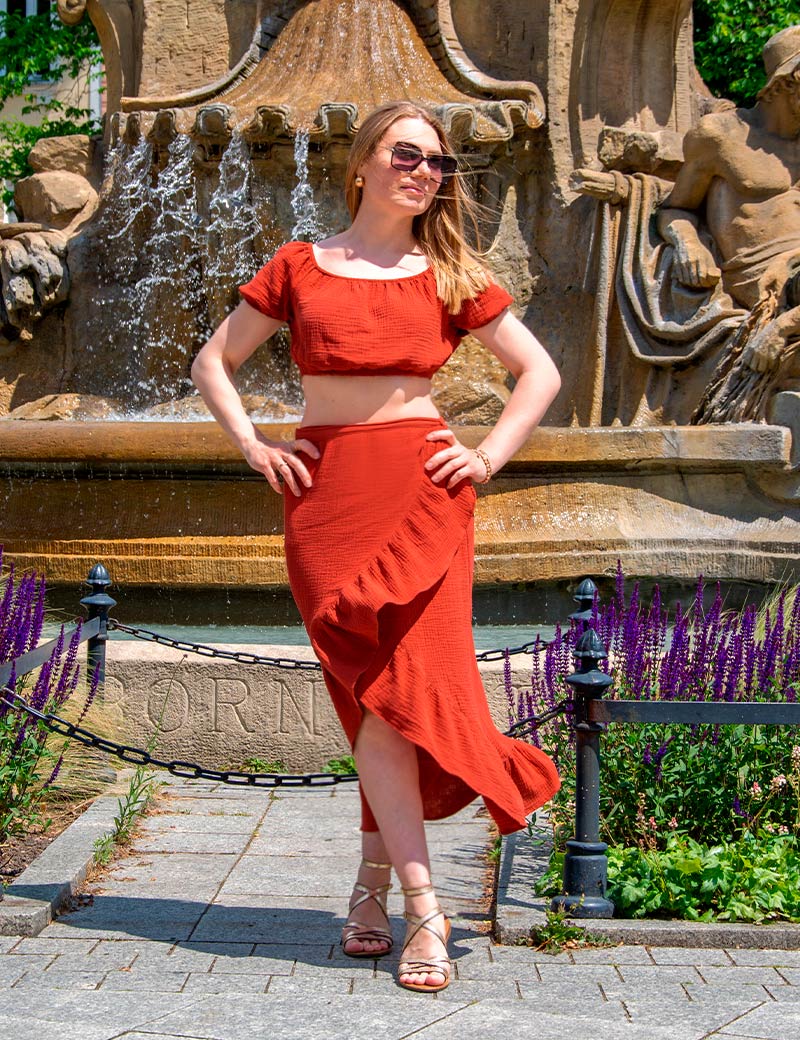
Discover natural fabric pieces from Lariko Studio — crafted for occasions like this:
|
|
Dressing for the Setting
A beach ceremony in late summer calls for something entirely different from a winter wedding in a stone church. The setting is not just a backdrop — it shapes what comfort looks like, what the photographs will look like, and what practical demands the day will place on what you are wearing.
For outdoor weddings in warm months, dresses for wedding attendees in breathable natural fabrics are the most sensible choice. Loose silhouettes, modest coverage that still feels light, and colours that do not absorb excessive heat all contribute to a day that remains pleasant from start to finish. Flat or low-heeled shoes are worth considering if the ceremony is on grass or uneven ground.
For cooler weather or indoor venues, layering becomes part of the answer. A well-chosen layer — a fine wool wrap, a structured linen jacket, or a softly draped cardigan — allows you to move between a cold church and a warm reception without compromising the overall look. A Mens Cardigan in a natural tone, for example, layers beautifully over a simple shirt for a male guest navigating an unpredictable spring day.
Destination weddings introduce their own considerations: luggage constraints, different climates, the need for pieces that travel without creasing badly. Again, linen and cotton are forgiving in this regard — they can be rolled, packed loosely, and shaken out on arrival without looking as though they have been through a journey.
The Question of Style: Finding Your Register
There is a spectrum of wedding guest aesthetics, and none of them is definitively correct. At one end: structured, formal, close to traditional. At the other: relaxed, textural, rooted in natural materials and artisanal detail. Most people find themselves somewhere in between, and most weddings accommodate a range.
The boho and slow fashion approach to dressing for a wedding tends to sit toward the latter end of that spectrum — not because it is less formal, but because it defines formality differently. A beautifully made linen dress in a rich, considered colour, worn with simple jewellery and thoughtful shoes, is entirely appropriate for most weddings. It communicates care and intention without performing stiffness.
For male guests, the equivalent register might involve well-cut natural-fibre trousers, a quality linen or cotton shirt, and considered layering. Boho Shirts Men in earthy tones or subtle prints offer a way to dress with personality while remaining fully appropriate for a wedding context. The key is coherence — pieces that feel like they belong together and belong on the person wearing them.
Style at a wedding is not about standing out or blending in — it is about arriving as a considered version of yourself. That is a more interesting and more honest goal than simply meeting a dress code.
Practical Details That Matter
A wedding is a long day. Ceremony, photographs, drinks, dinner, dancing — it can span eight to ten hours, and what you wear needs to hold up through all of it. There are practical questions worth asking before you commit to any outfit.
- Can you sit comfortably for an extended period without the dress pulling or riding up?
- Is the neckline or structure secure enough that you do not need to think about it during the ceremony?
- If the evening involves dancing, does the dress allow for that kind of movement?
- Does the fabric wrinkle badly, and if so, will that matter after a few hours?
- Is the dress appropriate for both the formality of the ceremony and the relaxed warmth of the reception?
These are not small concerns. A dress that fails on any of these points will affect how you feel, and how you feel affects how present you can be for the people you are there to celebrate. Natural fabrics, loose or semi-fitted silhouettes, and well-constructed garments tend to answer most of these questions satisfactorily.
Accessories deserve the same level of thought. Heavy jewellery can become uncomfortable over a long day. Very high heels are a commitment that not every venue or schedule supports. A small, structured bag or clutch keeps essentials accessible without adding bulk. These details are not afterthoughts — they are part of the overall decision.
Building an Outfit That Lasts Beyond the Day
One of the most useful frameworks for choosing wedding dresses for attendees is to ask whether the garment will be worn again. A dress bought specifically for one occasion, worn once, and then retired represents a particular kind of consumption that slow fashion gently questions.
The alternative is to choose pieces that are genuinely versatile — that can be worn to other gatherings, styled differently for everyday occasions, or layered in new ways across seasons. A well-made linen dress in a deep, grounded colour is a wedding guest dress in June and an autumn evening dress in October. A quality cotton shirt worn under a linen blazer at a wedding can be the same shirt worn with wide-leg trousers on a Tuesday.
This approach requires slightly more thought at the point of purchase, but it rewards that thought many times over. You end up with a wardrobe of pieces you genuinely reach for, rather than a collection of single-occasion garments taking up space and generating quiet guilt.
The most considered dress for a wedding attendee is one that fits your life, not just the occasion. That is the slow fashion argument in its simplest form.
FAQ
What colours are appropriate for a wedding attendee dress?
Most colours are appropriate, with the exception of white, ivory, and very pale gold or champagne, which can be mistaken for bridal colours. Earthy tones, jewel colours, dusty pastels, and deep greens or blues all tend to work well across a range of wedding styles and photograph beautifully in natural light.
Is linen too casual for a wedding?
Not at all. The perception of linen as casual is largely a matter of styling and construction. A well-cut linen dress in a considered colour, worn with appropriate accessories, reads as elegant and intentional. Linen's natural texture and drape actually lend it a quiet sophistication that synthetic fabrics rarely achieve.
How do I dress for a wedding in warm weather without overheating?
Choose natural fabrics — linen, cotton, or cotton muslin — in loose or semi-fitted silhouettes that allow air to circulate. Avoid dark colours that absorb heat if you will be outside for extended periods. Flat or low-heeled shoes will keep you more comfortable on grass or uneven ground, and a lightweight layer for the evening will handle the temperature drop without adding bulk.
Can I wear the same dress to multiple weddings?
Yes, and this is actively encouraged from a slow fashion perspective. A well-chosen wedding attendee dress in a versatile colour and natural fabric can be worn to multiple weddings, styled differently each time with different accessories, shoes, or layers. The goal is to invest in pieces that earn their place in your wardrobe over time.
What should male guests wear to a wedding if they want to avoid a traditional suit?
A well-fitted pair of natural-fibre trousers, a quality linen or cotton shirt, and considered layering can constitute a fully appropriate wedding guest outfit without requiring a formal suit. The key is coherence and care — pieces that fit well, are made from quality materials, and feel intentional rather than thrown together.
A Closing Thought
Dressing for someone else's wedding is, at its best, a small act of generosity. You are taking the time to think carefully about how you show up — not to perform, but to be present in a way that honours the occasion and the people at the centre of it. That kind of thoughtfulness is exactly what slow fashion, at its core, is about: choosing well, wearing genuinely, and letting the clothes carry some of the intention you bring to the moments that matter.
At Lariko Studio, every piece is made with that kind of occasion in mind — not just weddings, but all the moments that call for something worn with awareness. Explore our collections of natural-fabric dresses, shirts, and layers, and find the pieces that will carry you through not just one day, but many.
Discover natural fabric pieces from Lariko Studio — crafted for occasions like this:
|
|