

Boho Lace Wedding Gowns: How to Choose a Dress That Lasts
Boho Lace Wedding Gowns: How to Choose a Dress That Lasts
Choosing a wedding dress is one of the most considered decisions a person can make around clothing. When that dress leans toward a bohemian aesthetic — loose silhouettes, natural textures, handcrafted lace — the choice becomes even more layered. Boho lace wedding gowns occupy a particular space in slow fashion: they feel personal, rooted in craft, and far removed from the disposable trends that dominate fast fashion runways. But not every gown sold under the boho label is built to last, or to genuinely reflect the values behind the aesthetic. This guide is for anyone approaching that decision thoughtfully — whether you are the one getting married, searching for a wedding gown for guest occasions, or simply trying to understand what separates a meaningful garment from a beautiful-looking one. We will walk through fabric choices, silhouette considerations, construction quality, and the cultural references that give boho bridal wear its depth.
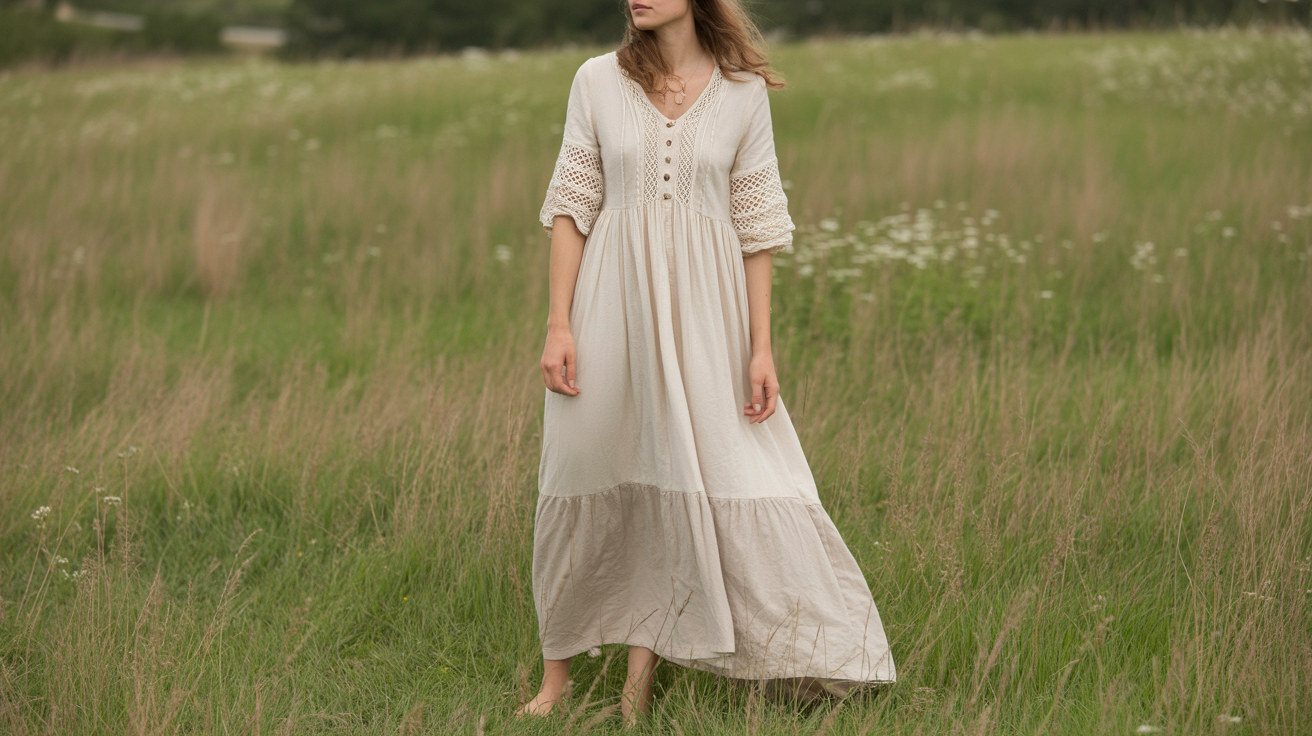
What Makes a Wedding Gown Truly Bohemian
The word bohemian has been stretched far beyond its origins, applied to everything from mass-produced festival wear to luxury resort collections. In the context of bridal fashion, a genuine boho wedding gown draws from a specific set of references: folk embroidery traditions, artisan lace-making, the relaxed silhouettes of 1970s counterculture, and the natural dye palettes of earth-connected communities. These are not just aesthetic choices — they carry meaning.
A boho wedding gown in the truest sense prioritizes handwork over mechanical uniformity. Lace panels that show slight variations in pattern are a sign of quality, not error. Fabrics that breathe and move — linen, cotton muslin, lightweight wool — are chosen because they work with the body rather than constraining it. The silhouette tends to be relaxed: flowing skirts, open backs, wide sleeves that catch the wind.
It is also worth noting the influence of regional textile traditions on this aesthetic. The traditional Mexican wedding gown, for example, has long incorporated intricate embroidery, lace trim, and layered white cotton — elements that have deeply informed contemporary boho bridal design. Acknowledging these roots is part of wearing this style with integrity.
When evaluating any gown marketed as bohemian, ask where the lace comes from, how the fabric was finished, and whether the construction reflects the care the label implies. These questions matter before you commit to a garment meant to mark one of life's significant moments.
Fabric First: Why Natural Materials Define Longevity
The single most important factor in whether a wedding gown lasts — physically and aesthetically — is the fabric it is made from. Synthetic lace and polyester chiffon may photograph beautifully, but they age poorly, retain odors, and cannot be repaired or altered with the same ease as natural fibers. For a dress you intend to keep, or potentially pass on, the fabric choice is foundational.
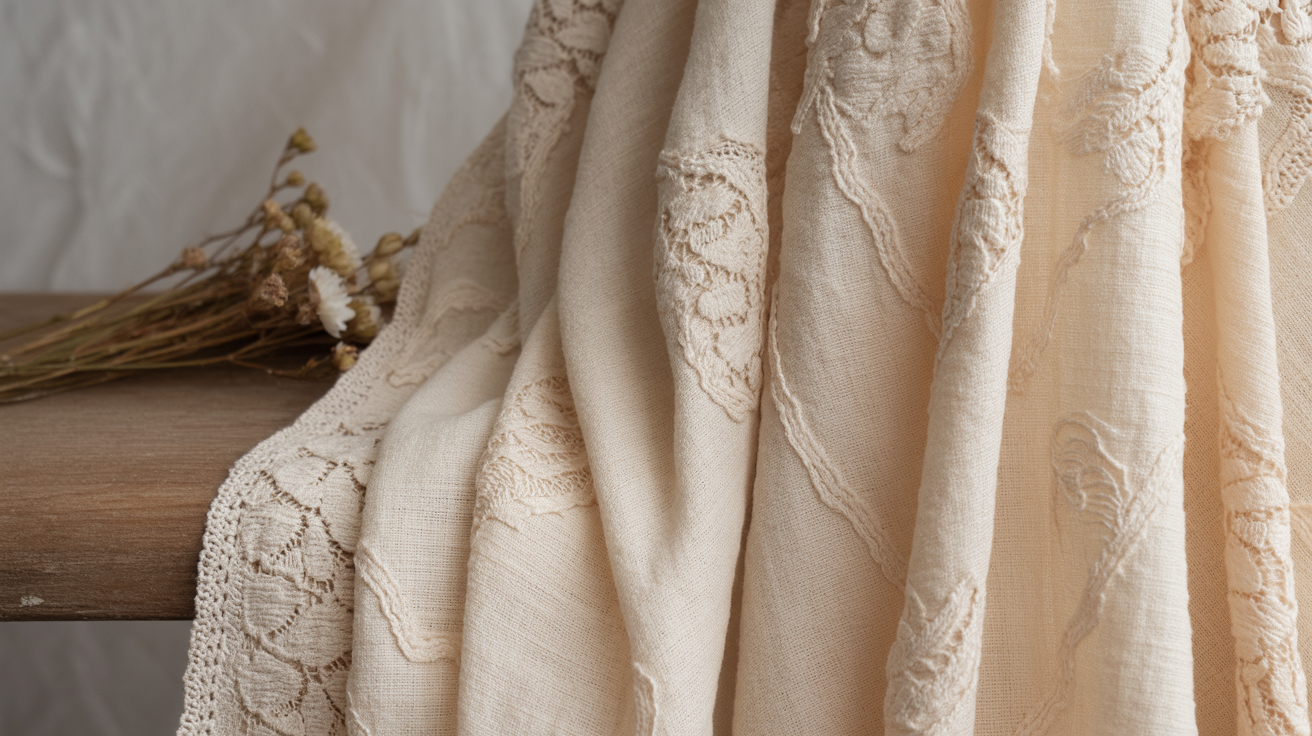
Linen is among the most durable natural fibers available. It softens with washing rather than degrading, and its slight texture gives lace overlays a grounded, organic quality that synthetics cannot replicate. Cotton muslin, often used in layered skirts or underlining, is breathable and holds its shape without stiffening. Lightweight wool, less common in bridal wear but genuinely worth considering for autumn or winter ceremonies, adds warmth without weight.
Lace itself deserves particular attention. Machine-made lace from natural cotton thread is a reasonable middle ground — consistent in pattern, durable, and biodegradable. Hand-tatted or needle lace, while significantly more expensive, represents a living craft tradition and will outlast the garment it adorns. When you see lace used in a fringe wedding gown or as trim on flowing sleeves, the quality of that lace determines how the dress ages over decades.
For those shopping for a beach wedding guest gown or any outdoor ceremony dress, natural fabrics also perform better in heat and humidity. Linen wicks moisture; cotton breathes. These are practical advantages, not just philosophical ones.
At Lariko Studio, every garment begins with fabric selection. The linen we use is sourced from European mills with documented supply chains, and our cotton muslins are unbleached where possible — choices that affect both the longevity of the garment and its environmental footprint.
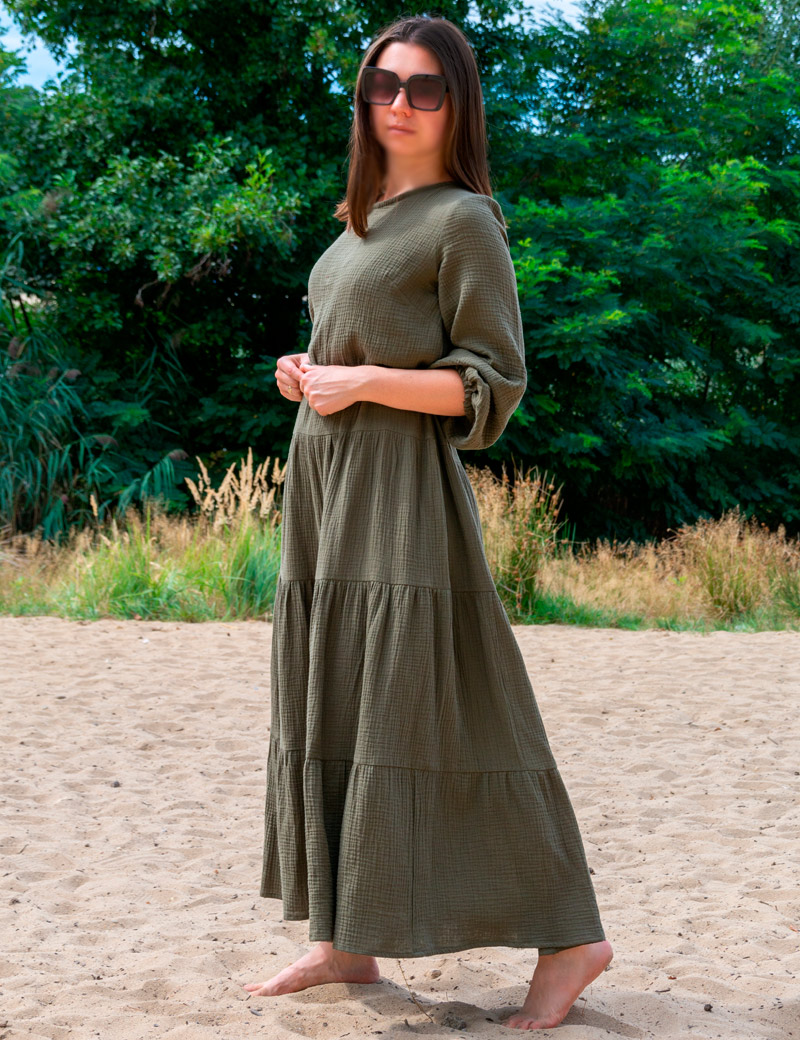
Discover natural fabric pieces from Lariko Studio — crafted for occasions like this:
|
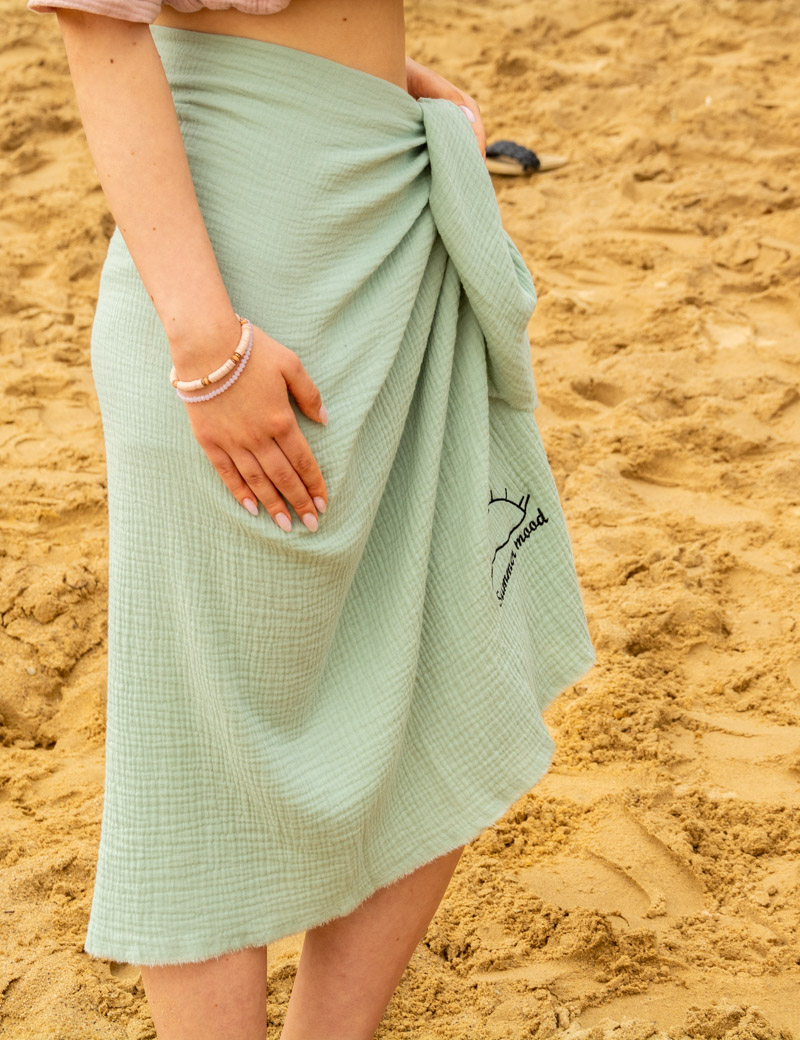
Pareo Sylwia, Beach cover-up, beach swimsuit bedspread, universal size |
Silhouette and Fit: Choosing a Shape That Works Beyond the Wedding Day
One of the quiet arguments for choosing a boho lace gown over a more structured bridal style is versatility. A well-made bohemian dress can be worn again — to another ceremony, to a summer gathering, or simply as a piece you return to because it makes you feel grounded. This is only possible if the silhouette is chosen with some care.
The empire wedding gown is a particularly enduring silhouette in boho bridal wear. With its raised waistline sitting just below the bust and a skirt that falls freely from there, it flatters a wide range of body types and requires minimal alteration over time. It also pairs naturally with lace overlays and loose sleeves, making it a recurring choice in slow fashion bridal collections.
A-line silhouettes offer a similar ease of movement while providing slightly more definition through the waist. Both work well with the layered, textured fabrics typical of boho design — they allow lace panels to fall correctly and fringe details to move freely rather than bunching at structured seams.
Fit is a separate consideration from silhouette. A gown that fits well from the start requires fewer alterations and retains its intended shape longer. For natural fiber garments, which have some degree of give and movement, a skilled maker will account for how the fabric behaves when worn — not just how it looks on a hanger. This is why made-to-order or small-batch production, as practiced at Lariko Studio, tends to produce better-fitting garments than off-the-rack sizing.
For guests rather than the couple getting married, the same principles apply. Whether you are looking for gowns for a wedding guest or specifically a beach wedding guest gown, choosing a silhouette that moves well and a fabric that breathes will serve you far better than following a trend that dates quickly.
Details That Signal Quality: Lace, Embroidery, and Construction
Beyond fabric and silhouette, the details of a gown tell you most of what you need to know about its quality. In boho lace wedding gowns specifically, the lace application, any embroidery work, and the internal construction are the areas where shortcuts are most commonly taken — and most visible over time.
Lace should be applied with intention. Panels that are simply glued or loosely basted will separate with wear and cleaning. Quality application means the lace is sewn flat, with seam allowances that account for the lace pattern rather than cutting through it arbitrarily. When lace meets another fabric — say, a cotton underlining — the transition should be clean and the layers should move together rather than catching on each other.
Embroidery, which appears frequently in boho bridal design and draws from traditions like the traditional Mexican wedding gown and Eastern European folk dress, should be worked in colorfast thread on a stable ground fabric. Embroidery that is dense enough to distort the base fabric, or worked in thread that bleeds when wet, is a sign of poor execution regardless of how it looks in photographs.
Internal construction matters more than most buyers realize. A well-constructed gown has seam allowances wide enough to allow alteration, seams that are finished to prevent fraying, and any boning or structure that is sewn in rather than glued. For natural fiber garments, French seams or flat-felled seams are preferable — they are stronger and look clean even if the lining is removed.
If you are purchasing wedding guest gowns or gowns for wedding guest occasions in quantity — for a bridal party, for example — these construction details become even more important, as the dresses will be worn by different bodies and washed multiple times.
Styling Boho Lace Gowns: Building an Outfit That Holds Together
A gown does not exist in isolation. The accessories, layers, and accompanying pieces you choose determine whether the overall look feels considered or assembled. For boho lace wedding gowns, the styling principles are consistent with the broader slow fashion ethos: natural materials, restraint, and pieces that have their own integrity.
Footwear should be comfortable enough for the duration of the event. Leather sandals, woven mules, or even bare feet for a beach ceremony are all appropriate. Avoid synthetic materials that clash texturally with natural fiber gowns — the contrast tends to read as careless rather than eclectic.
Layering is one of the strengths of the boho aesthetic. A linen wrap, a light cotton shawl, or a structured linen jacket can extend the wearability of a gown into cooler evenings without disrupting the overall look. At Lariko Studio, our Boho Blouses Women collection includes pieces designed to work as layering options — loose, naturally dyed, and cut to complement rather than compete with a main garment.
Jewelry should lean toward natural materials: unpolished stone, hammered metal, wood, or shell. Heavy, highly polished jewelry tends to pull the eye away from the textile work of the gown, which is usually the most considered element of the outfit.
For those attending rather than hosting a ceremony, the same restraint applies. Gowns for guest of wedding occasions benefit from styling that is complete but not competing — the goal is to be appropriately dressed without drawing focus away from the people being celebrated.
It is also worth thinking about what else in your wardrobe the gown can work with. A well-chosen boho lace dress can be styled differently for different contexts — paired with Festival Shorts for Men as part of a coordinated couple's look for a casual outdoor ceremony, for instance, or worn with different accessories to shift its register entirely.
Caring for a Natural Fiber Gown So It Lasts
Choosing well is only part of the equation. How you care for a natural fiber gown determines whether it lasts five years or fifty. The good news is that linen, cotton, and wool are all forgiving materials when treated correctly — more so than most synthetics, which degrade invisibly with each wash cycle.
Linen and cotton can generally be hand-washed in cool water with a gentle, pH-neutral soap. Avoid wringing — press water out gently and reshape while damp. Hang to dry away from direct sunlight, which can yellow natural fibers over time. If the gown has lace panels, lay it flat to dry to prevent the lace from stretching under its own weight.
Wool requires more care: cool water, minimal agitation, and a wool-specific detergent. Never wring wool, and always dry flat. If the gown has embroidery, check that the thread is colorfast before washing — a small test on an inconspicuous area is worth the caution.
For long-term storage, natural fiber garments should be kept in breathable cotton bags rather than plastic, in a cool, dark, and dry environment. Cedar blocks or lavender sachets deter moths without the chemical residue of synthetic repellents. If the gown has been worn at a ceremony involving food, drink, or outdoor elements, have it cleaned before storage rather than after — stains that are allowed to set are significantly harder to remove.
A gown that is properly stored and periodically aired can remain wearable for generations. This is the practical case for slow fashion: a well-made natural fiber garment is not a single-use purchase but a long-term relationship with a piece of clothing.
FAQ
What is the difference between a boho lace wedding gown and a standard lace wedding dress?
A standard lace wedding dress typically uses structured silhouettes, synthetic underlining, and machine-made lace applied for visual effect. A boho lace wedding gown prioritizes natural fabrics, relaxed silhouettes, and lace that is chosen for its craft quality as much as its appearance. The overall feel is less formal and more connected to textile tradition.
Can wedding guest gowns follow the same boho aesthetic as the bridal dress?
Yes, and increasingly guests are choosing gowns that reflect a similar sensibility to the couple's aesthetic. For boho or outdoor ceremonies especially, natural fiber gowns for wedding guest occasions are entirely appropriate and often more comfortable than formal synthetic alternatives. The key is to keep the palette complementary rather than matching, and to avoid white or ivory.
How do I know if the lace on a boho gown is good quality?
Look at how the lace is applied — it should lie flat and be sewn rather than glued. Check whether the pattern is consistent or shows signs of being cut carelessly. Natural fiber lace (cotton or linen thread) will feel softer and slightly more substantial than synthetic lace. Ask the maker or retailer about the lace's origin and composition if you are uncertain.
Is a fringe wedding gown appropriate for a formal ceremony?
A fringe wedding gown works best in relaxed, outdoor, or bohemian ceremony settings. The movement of fringe is part of its appeal, and it reads as informal by design. For a more formal venue, fringe can be incorporated as a detail — at the hem or on sleeves — rather than as the dominant element of the dress.
How should I store a boho lace gown after the wedding?
Clean the gown before storage to remove any invisible stains. Store it in a breathable cotton bag, laid flat or loosely folded with acid-free tissue between layers. Keep it in a cool, dark, dry space. Avoid plastic bags, which trap moisture and can yellow natural fibers. Air the gown periodically — once or twice a year — to prevent mustiness.
Closing Thoughts
A boho lace wedding gown, chosen with care and made from honest materials, is one of the few garments that genuinely earns the word investment. It is not about spending more — it is about spending thoughtfully, on something built to last and meaningful enough to keep. The principles that guide this choice — natural fabrics, considered construction, silhouettes that work across contexts — are the same principles that inform everything made at Lariko Studio.
If you are in the process of building a wardrobe around these values, or simply looking for pieces that hold up to real life while remaining beautiful, explore the Lariko Studio collections at lariko-studio.com. From linen blouses to layering pieces designed for outdoor occasions, each garment is made with the same attention to material and craft that a wedding dress deserves.
Discover natural fabric pieces from Lariko Studio — crafted for occasions like this:
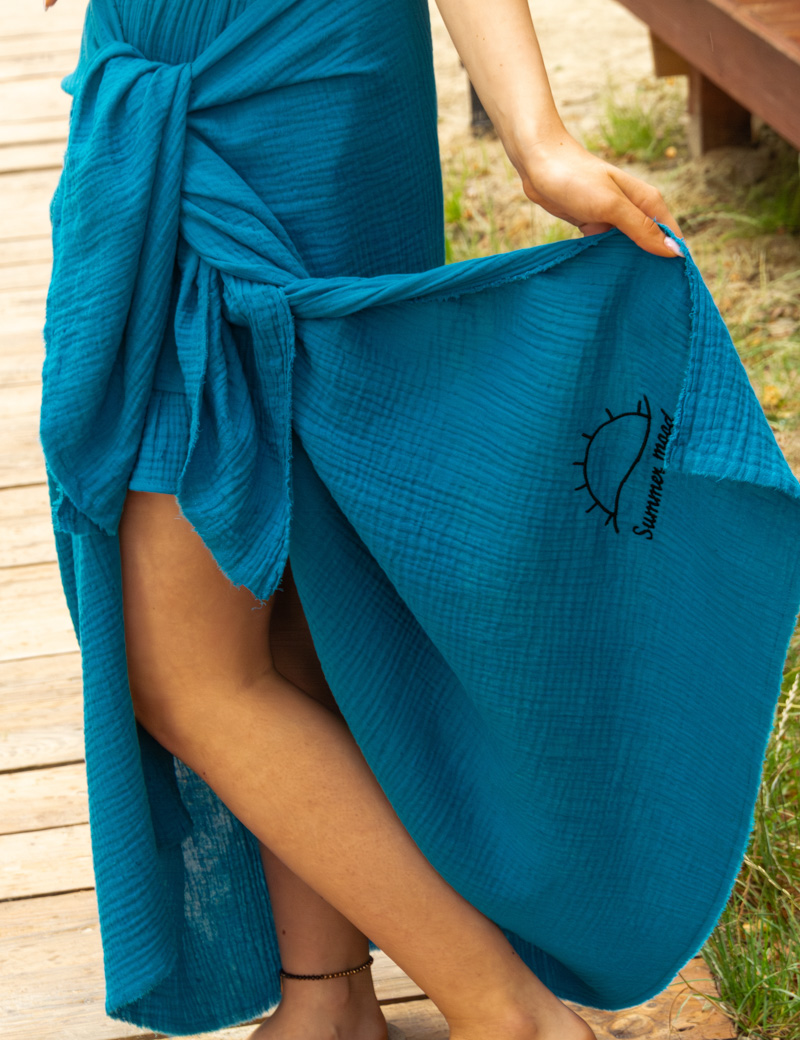
Pareo Caren, Beach cover-up, beach swimsuit bedspread, universal size |
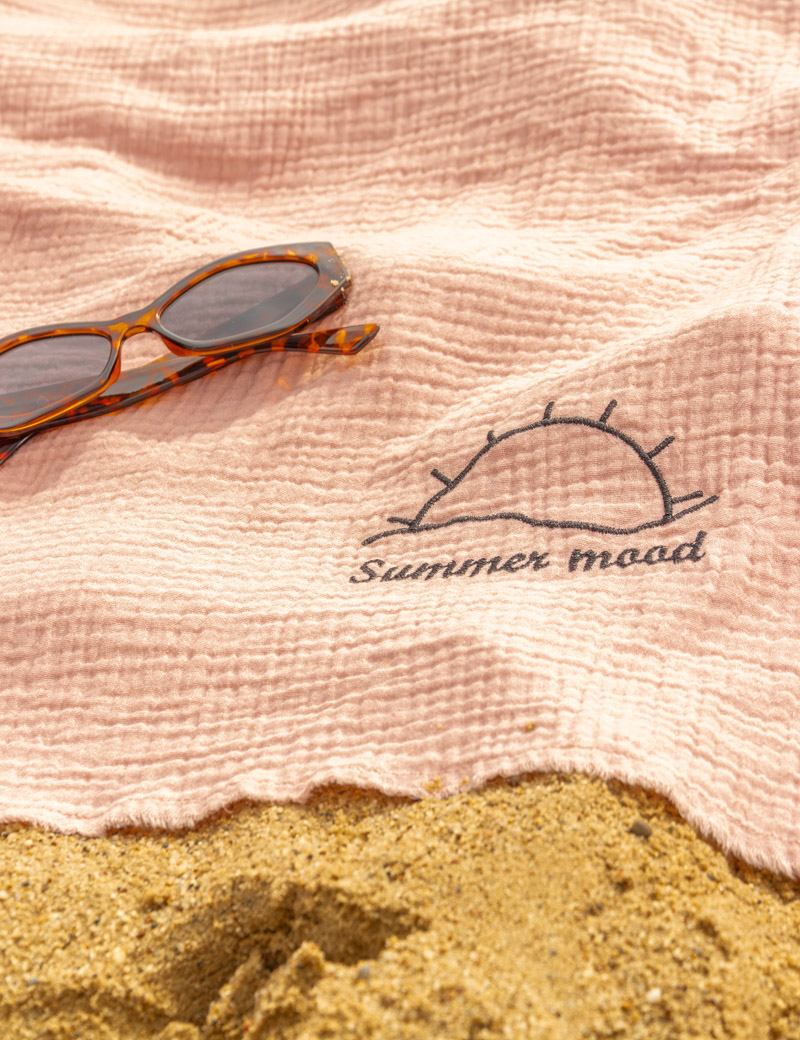
Pareo Rosa, Beach cover-up, beach swimsuit bedspread, universal size |