

Clothing Women: Slow Fashion Guide to Natural Wardrobes
Clothing Women: Slow Fashion Guide to Natural Wardrobes
The conversation around clothing women choose every day has shifted significantly over the past decade. Where fast fashion once dominated every high street and inbox, a quieter, more considered approach has taken root. Women are asking different questions now — not just "does this fit?" but "what is it made from, who made it, and how long will it last?" This guide explores what it means to build a wardrobe grounded in natural fabrics, slow production, and genuine personal style. Whether you are reassessing your relationship with mass-market clothing for women or simply looking for a more intentional way to dress, the principles here apply across lifestyles, climates, and aesthetics. At Lariko Studio, we work with linen, cotton, wool, and muslin — materials that breathe, age well, and carry a quiet dignity that synthetic alternatives rarely match. This is clothing advice for women who want to dress with meaning.
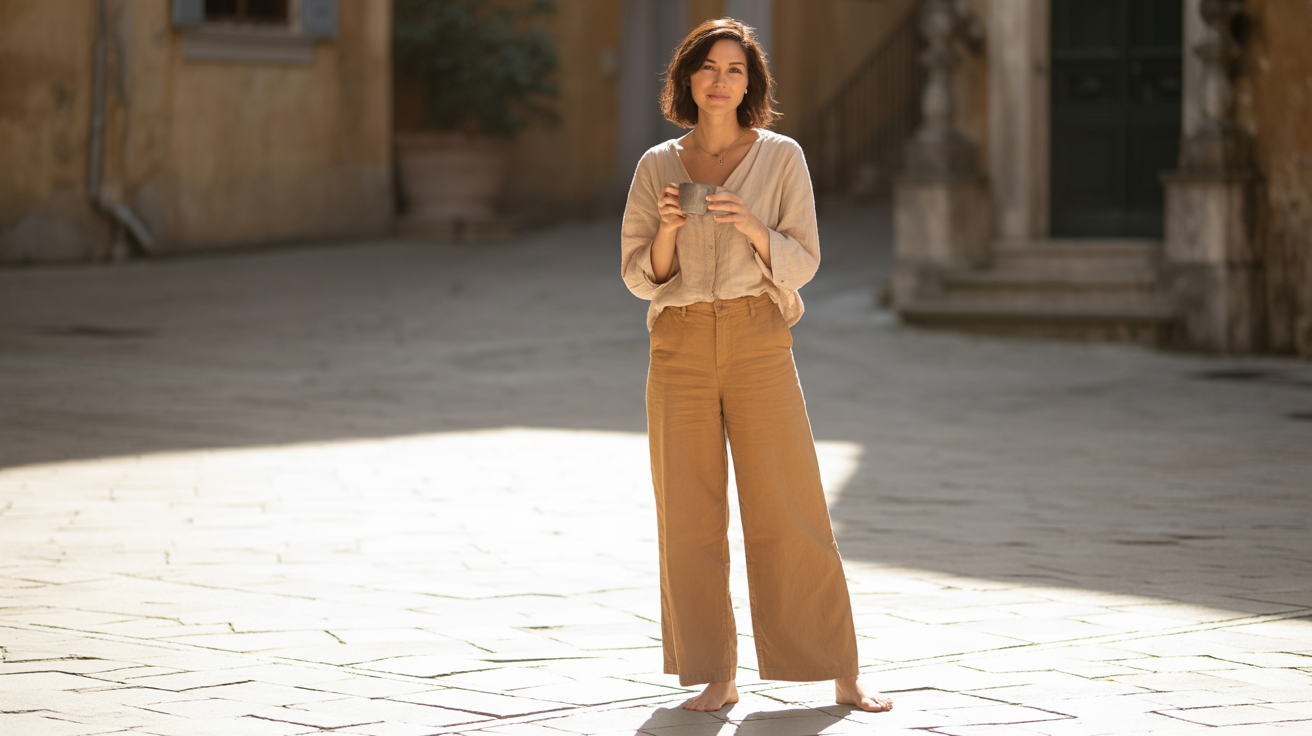
Why Natural Fabrics Matter in Women's Clothing Today
Walk into any large retailer and the sheer volume of women clothing on offer can feel overwhelming. From women clothing clearance rails packed with polyester blends to fast-moving seasonal drops that mimic the aesthetics of brands like gap clothing women or dkny clothing for women, the market is saturated. Yet quantity has never been the same as quality.
Natural fabrics — linen, organic cotton, wool, and muslin — offer something synthetic textiles cannot replicate: they regulate temperature, improve with washing, and decompose at the end of their life without releasing microplastics. Linen, in particular, becomes softer and more characterful the more it is worn. It is a fabric with memory.
There is also the matter of skin health. Women who spend long hours in activewear — gym clothing women, workout clothing women — often notice irritation from synthetic performance fabrics. Natural cotton blends, even in movement-focused garments, allow the skin to breathe. For women with sensitive skin or those seeking spf clothing for women that does not rely on chemical coatings, tightly woven linen and cotton offer natural UV protection simply through their structure and weave density.
Choosing natural fabrics is not a sacrifice — it is a recalibration of what clothing is for.
Building a Slow Wardrobe: Principles Over Trends
Slow fashion is not about owning less for its own sake. It is about owning thoughtfully. The difference between a wardrobe that feels chaotic and one that feels cohesive often comes down to a few guiding principles rather than a specific number of garments.
Start with versatility. A well-cut linen blouse works across contexts that might otherwise demand separate pieces — a morning at a market, an afternoon meeting, an evening with friends. This is clothing advice for women that transcends seasonal trend cycles. When you invest in pieces that move fluidly through your life, you naturally buy less and wear more.
Consider longevity over novelty. Brands built on novelty — whether that is barbie clothing for women, disney clothing for women, or playboy clothing for women — serve a different purpose: they are expressive, fun, and often disposable. There is a place for that. But the foundation of a wardrobe should be pieces that outlast trends. Boho and ethnic-inspired clothing, rooted in craft traditions, tends to sit outside the trend cycle entirely. It does not go out of style because it was never chasing style to begin with.
Think in textures and tones rather than colours and prints. A palette of warm earth tones — terracotta, sand, deep olive, undyed linen — creates a wardrobe where everything speaks to everything else. Add texture through fabric weight, weave, and layering rather than through pattern. This approach produces what stylists call a capsule wardrobe with genuine depth.
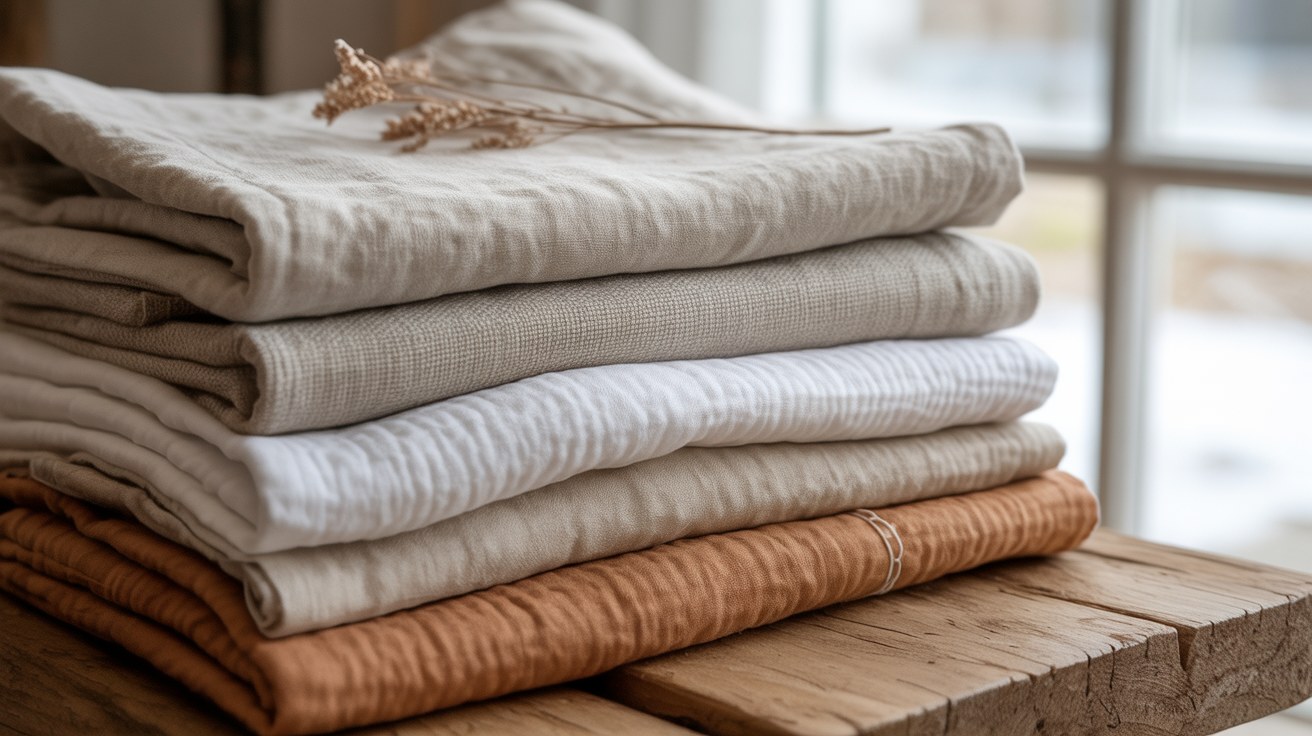
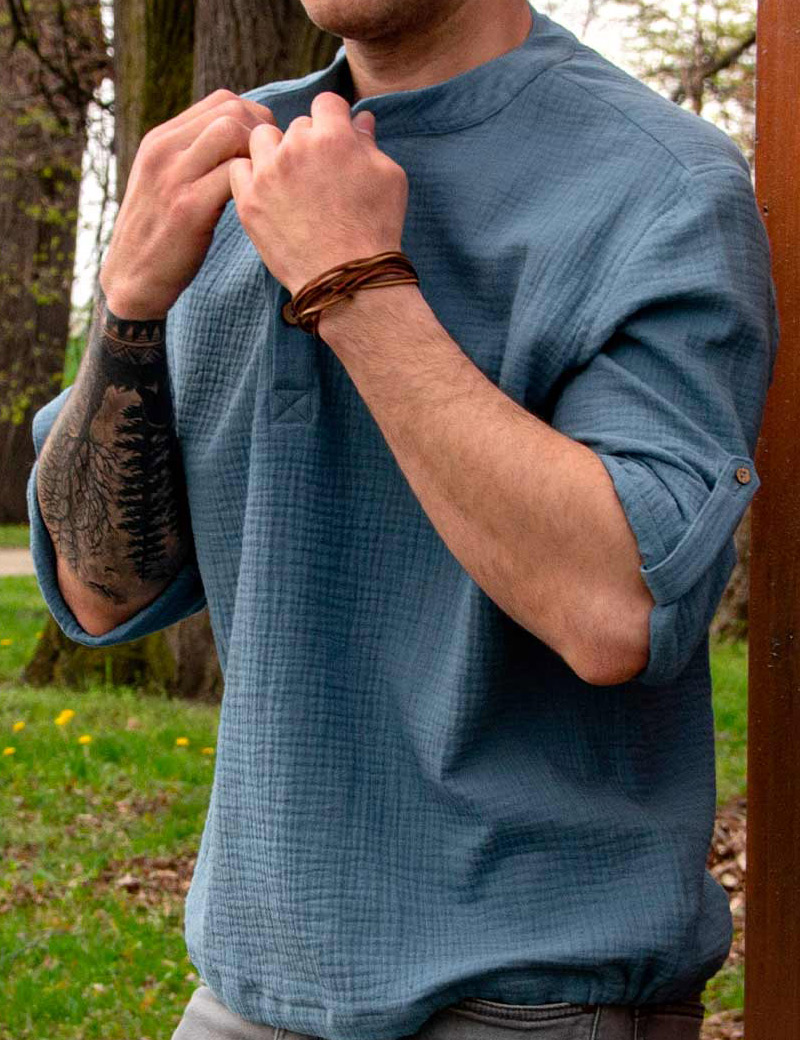
Discover natural fabric pieces from Lariko Studio — crafted for occasions like this:

|
|
Clothing for Women Across Different Life Contexts
One of the more honest conversations in women's fashion is how differently clothing functions depending on context. A woman who commutes to a professional environment — think lawyer clothing for women — has different practical needs from a woman whose day involves physical movement, outdoor work, or creative studio time. A chef clothing for women situation demands durability, coverage, and ease of cleaning. Elderly women clothing often prioritises comfort, ease of dressing, and warmth without bulk.
What slow fashion offers across all of these contexts is a refusal to treat any of them as lesser. Natural fabrics perform well in most conditions. Linen is naturally antibacterial and temperature-regulating, making it practical for long working days. Wool, properly sourced, provides warmth without the weight that can make movement difficult — relevant whether you are considering snowboard clothing for women in a base-layer context or simply dressing for a cold European winter.
For women who spend time outdoors or in active pursuits — motorcycle clothing for women, golf clothing women — the slow fashion answer is not always a direct replacement. Protective and technical garments require technical materials. But the principle of buying fewer, better pieces applies equally. A well-made wool mid-layer or a heavy linen overshirt can anchor an otherwise technical outfit and extend its wearability beyond the specific activity.
Urban clothing women gravitate toward often sits at the intersection of practicality and identity. Cities demand clothing that moves, layers, and communicates something about who you are. Natural fabrics do this quietly and effectively. A linen dress, a cotton-gauze blouse, a wool-blend jumper — these are pieces that read as considered without demanding attention.
Historical Threads: What Past Eras Teach Us About Dressing Well
Looking back at how women dressed in earlier periods reveals something instructive. Ww2 clothing women wore was defined by necessity — rationing meant fewer garments, better maintained, repaired rather than replaced. The 20's clothing women favoured was lighter, more fluid, and often made from natural silks, cottons, and linens that moved with the body rather than constraining it. Both eras, for entirely different reasons, produced wardrobes that were more intentional than what most women navigate today.
The lesson is not nostalgia. It is that constraints — whether material, economic, or ethical — tend to produce more creative and more satisfying relationships with clothing. When you cannot simply buy more, you learn to work with what you have. When you choose to buy less, you invest more care in each choice.
Brands like seasalt clothing women have built loyal followings partly by connecting their aesthetic to a sense of place and craft tradition. The appeal is not just the look — it is the feeling that the clothing comes from somewhere and means something. This is what slow fashion, at its best, offers: clothing that carries a story rather than a price tag.
The Boho Aesthetic and Natural Wardrobes
Boho style — short for bohemian — is sometimes misunderstood as a trend, a festival aesthetic, or a specific set of prints and silhouettes. In practice, it is closer to a philosophy. It draws from folk traditions, craft cultures, and a general preference for the handmade, the natural, and the individual over the mass-produced and the uniform.
At Lariko Studio, the boho aesthetic informs everything from fabric selection to silhouette to the way garments are finished. Our Boho Women's Clothing collection is built around natural fabrics — primarily linen and cotton — in silhouettes that allow for movement and layering. The pieces are designed to be worn across seasons and contexts, not to respond to a single trend moment.
Within that collection, Boho Blouses Women represent one of the most versatile categories. A well-made linen blouse can anchor a casual summer outfit, layer under a wool coat in autumn, or dress up with simple jewellery for an evening. It is the kind of piece that earns its place in a wardrobe through usefulness rather than novelty.
The boho approach to colour tends toward the natural and the muted — undyed linen, warm whites, dusty roses, deep indigos from plant-based dyes. This is not a rejection of colour but a preference for colour that ages gracefully and coordinates intuitively. Unlike the bold branding of nike women clothing, puma women clothing, or guess women clothing — which rely on logo recognition and seasonal colour stories — boho clothing asks the wearer to bring their own identity to the garment.
Latex clothing for women sits at the opposite end of the material spectrum — synthetic, body-conscious, and deliberately striking. There is a place for self-expression across that entire range. But for daily life, for comfort, for longevity, and for environmental consideration, natural fabrics and considered silhouettes offer something more sustainable in every sense of the word.
Practical Clothing Advice for Women Choosing Slow Fashion
Transitioning toward a slower, more natural wardrobe does not require discarding everything you own. It is a gradual process, and the most practical approach is to start with what you reach for most often.
- Identify the three to five garments you wear most frequently. These are your foundation pieces. When they wear out, replace them with natural-fabric equivalents made to last.
- Before purchasing anything new, ask whether you already own something that serves the same purpose. The best wardrobe addition is often a repair or a restyling of something you already have.
- Buy from brands that are transparent about their materials and production. If a brand cannot tell you what a garment is made from or where it was produced, that is useful information.
- Prioritise fit over trend. A garment in a flattering, comfortable cut will be worn far more than something fashionable but uncomfortable. Natural fabrics often require slightly different sizing expectations — linen relaxes, cotton softens — so allow for that in your choices.
- Care for your clothing properly. Natural fabrics respond well to gentle washing, air drying, and occasional hand-washing for delicate pieces. A linen garment washed correctly will outlast a polyester equivalent many times over.
- Consider the full cost of ownership. A higher upfront price for a well-made natural garment often represents better value over time than repeated purchases of cheaper alternatives from women clothing clearance rails.
FAQ
What makes natural fabric clothing better for women's health?
Natural fabrics like linen, cotton, and wool allow the skin to breathe, reducing moisture buildup and the irritation that can come from synthetic materials. They are less likely to harbour bacteria and do not release microplastic particles during washing, which means less exposure to synthetic compounds over time.
How do I care for linen and cotton clothing to make it last longer?
Wash linen and cotton at lower temperatures — 30 to 40 degrees Celsius is usually sufficient. Avoid tumble drying where possible; air drying preserves the fibres and the shape of the garment. Iron linen slightly damp for a smooth finish, or embrace its natural texture and wear it as it dries. Store folded rather than hung to prevent stretching at the shoulders.
Is slow fashion clothing for women more expensive than fast fashion?
The upfront cost is often higher, yes. But the cost per wear over the lifetime of a well-made natural garment is typically lower than that of fast fashion pieces that lose their shape, colour, or integrity after a season. Thinking in terms of cost per wear rather than purchase price is a useful shift in perspective.
Can boho clothing work in professional or formal settings?
It depends on the specific garment and the workplace culture. A well-cut linen blouse in a neutral tone reads as polished and professional in most contexts. Heavily embroidered or very relaxed silhouettes may feel less appropriate in formal environments, but layering and accessorising can bridge that gap. The key is fit and fabric quality — natural fabrics in considered silhouettes tend to read as intentional rather than casual.
How do I start building a slow fashion wardrobe without feeling overwhelmed?
Start small. Choose one category — blouses, for example — and commit to replacing worn-out pieces with natural-fabric alternatives when the time comes. You do not need to overhaul your wardrobe at once. Slow fashion is, by definition, a gradual and thoughtful process. Over time, the proportion of your wardrobe that aligns with your values will grow naturally.
Conclusion
Clothing women choose is a reflection of how they understand themselves, their time, and their relationship with the world around them. The slow fashion movement is not a trend — it is a return to something older and more considered: the idea that what we wear should be made well, worn often, and cared for properly. Natural fabrics, honest production, and timeless silhouettes are not a niche preference. They are a foundation.
At Lariko Studio, we make clothing for women who are ready to dress with intention. Explore our Boho Women's Clothing collection to find linen, cotton, and muslin pieces designed to last — or browse our Boho Blouses Women selection for a versatile starting point. Your wardrobe does not need to be large. It needs to be right.
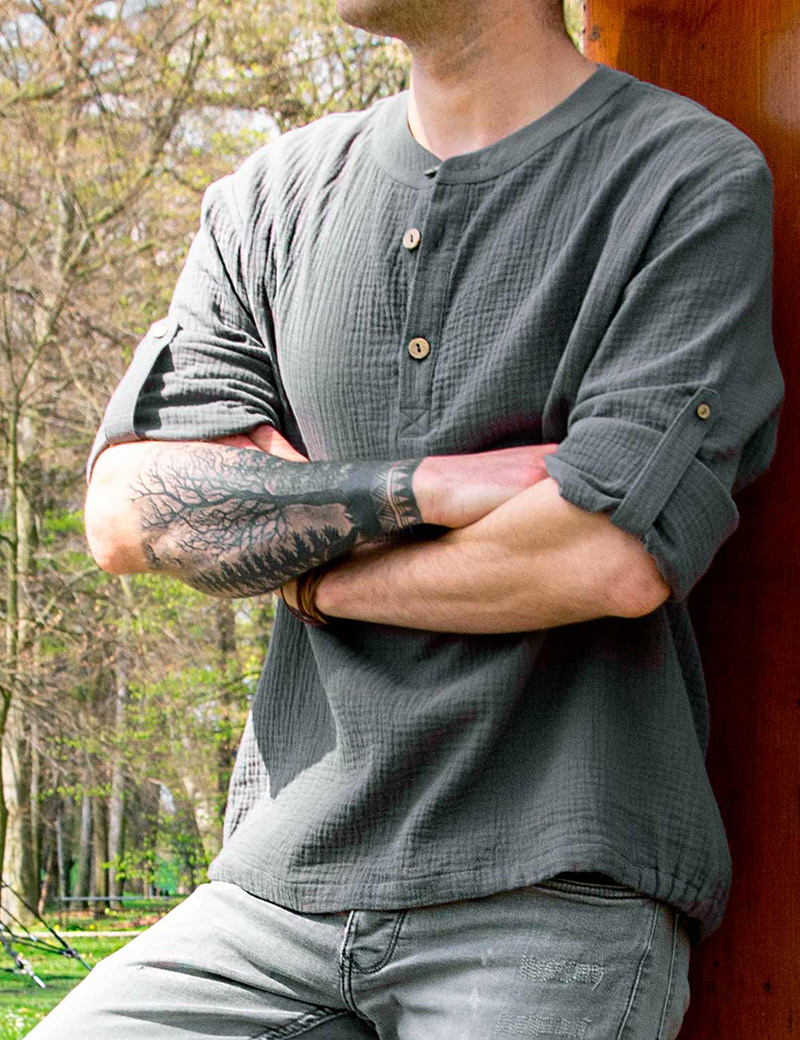
Discover natural fabric pieces from Lariko Studio — crafted for occasions like this:
|
|