

The Slow Wardrobe Guide to Long Maternity Dressing
The Slow Wardrobe Guide to Long Maternity Dressing
There is a particular kind of clarity that comes with pregnancy — a quiet invitation to slow down, to choose more carefully, and to surround yourself with things that actually feel good. When it comes to dressing a changing body, maternity dresses long in silhouette are among the most versatile and enduring choices a woman can make during this season of life. They move with the body rather than against it, they adapt across occasions, and when made from natural fibres like linen, cotton, or muslin, they breathe in the way that synthetic alternatives simply cannot. This guide is for the woman who wants to build a small, considered wardrobe during pregnancy — one that serves her through daily life, through celebrations, and through the quieter moments in between. We will look at fabric, fit, occasion dressing, and the specific details worth paying attention to when choosing long maternity dresses that will genuinely carry you through.
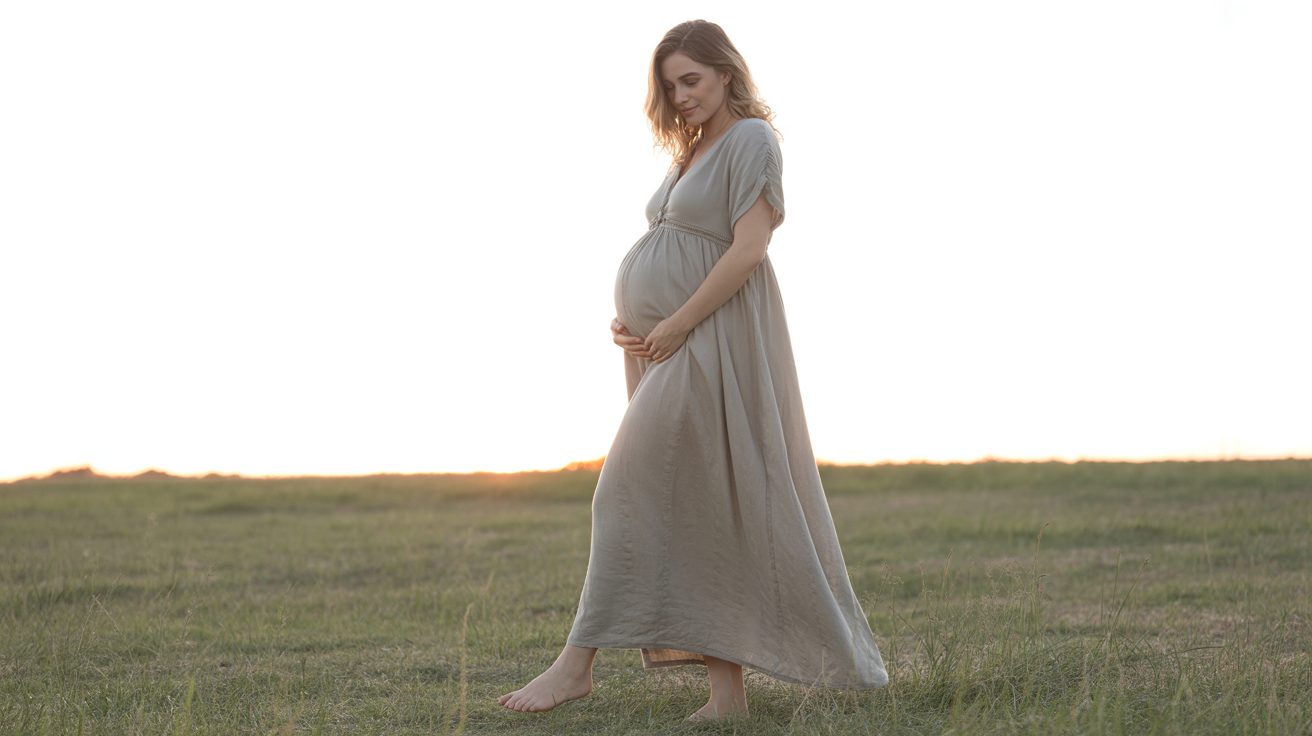
Why Length Matters: The Case for the Long Maternity Dress
The long maternity dress — whether a flowing maxi or a structured ankle-length silhouette — offers something that shorter styles rarely do: a sense of ease that does not require constant adjustment. As the body changes week by week, the proportions of a long dress remain largely consistent. The hem stays where it should. The fabric drapes rather than clings. There is no need to rethink the outfit as the bump grows.
A maxi maternity dress works as a genuine wardrobe foundation, not just a placeholder. Styled with sandals and a linen jacket in summer, or layered under a wool cardigan and paired with boots in cooler months, the same dress can serve dozens of different occasions. This is the logic of slow dressing applied directly to maternity wear — fewer pieces, more considered, worn more often.
Long dresses also offer a practical thermal advantage. Linen maxi maternity dresses allow air to circulate, which matters considerably during the second and third trimesters when the body runs warmer. Cotton and muslin behave similarly. These are not small details — they are the difference between feeling comfortable in your clothes and spending the day distracted by them.
Fabric First: What Natural Fibres Do for a Pregnant Body
The conversation about maternity dressing cannot be separated from the conversation about fabric. Synthetic materials — polyester, nylon, viscose blends — may photograph well and hold their shape in the short term, but they trap heat, restrict airflow, and sit differently against skin that is more sensitive than usual during pregnancy.
Linen is the fabric most worth understanding. It softens with each wash, becomes more breathable over time, and has a natural texture that reads as both relaxed and refined. A long linen maternity dress can move from a morning at the market to an afternoon gathering without looking like it is trying too hard. It simply looks like itself.
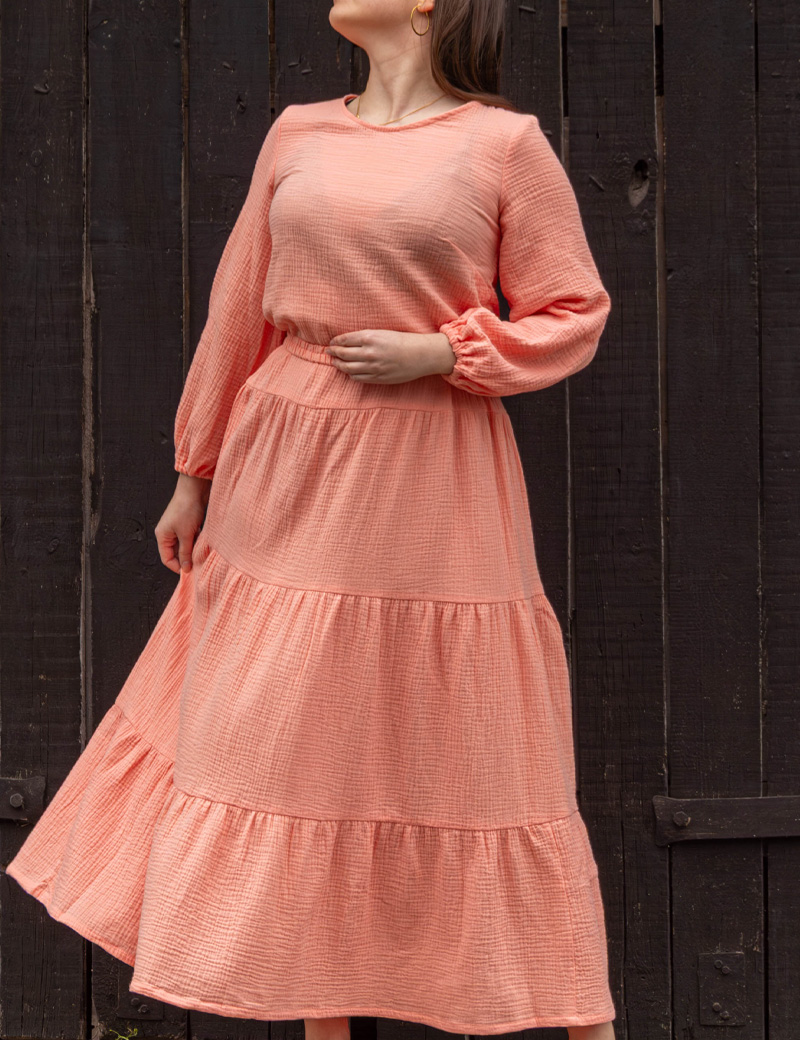
Cotton muslin deserves equal attention. Lighter than standard cotton, muslin has a gauzy, semi-structured quality that suits warm-weather dressing particularly well. A maternity smock dress in cotton muslin — with its loose, gathered bodice and flowing skirt — is one of the most comfortable silhouettes available during pregnancy, and one of the most flattering in the way that it skims rather than shapes.
Wool, in its lighter forms, becomes relevant in the cooler months. A maternity knit dress in fine merino or a wool-blend offers warmth without weight, and the natural elasticity of knit fabric means it accommodates the growing body without pulling or distorting. A long sleeve maternity dress in a soft knit is a winter wardrobe essential that many women overlook in favour of separates.
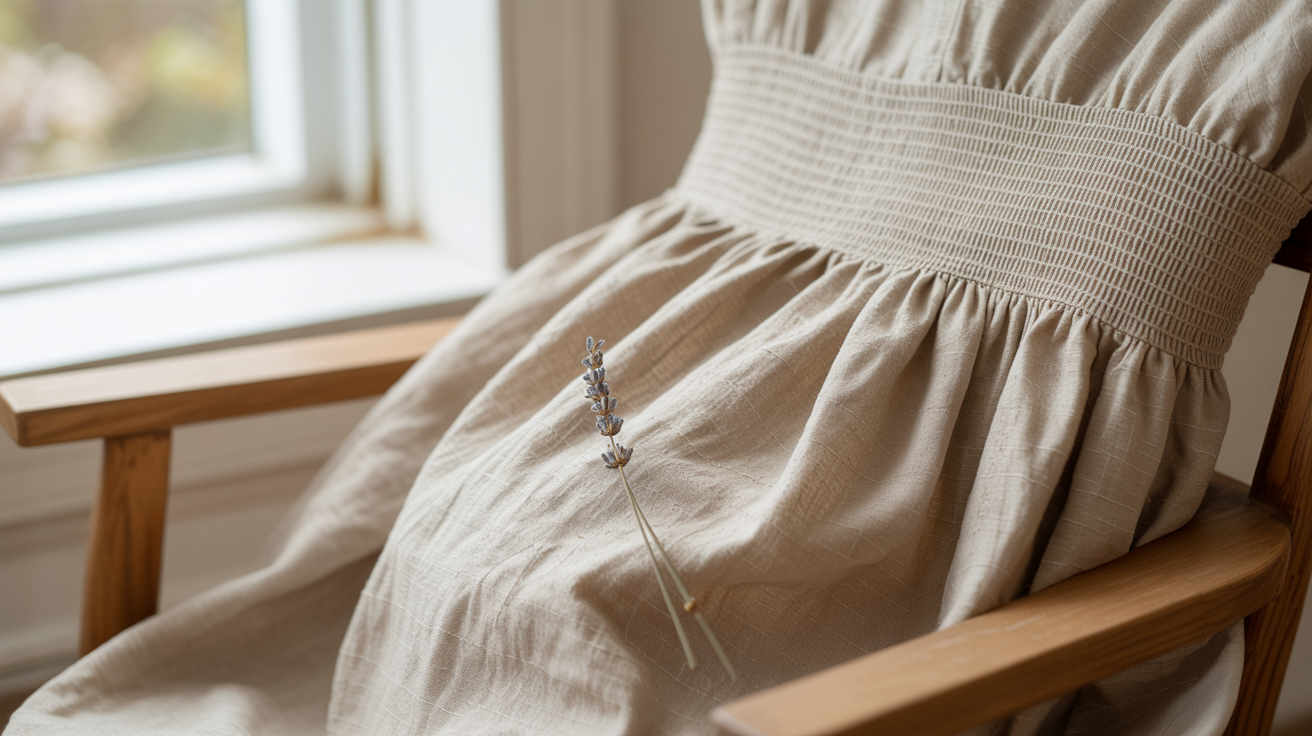
Discover natural fabric pieces from Lariko Studio — crafted for occasions like this:
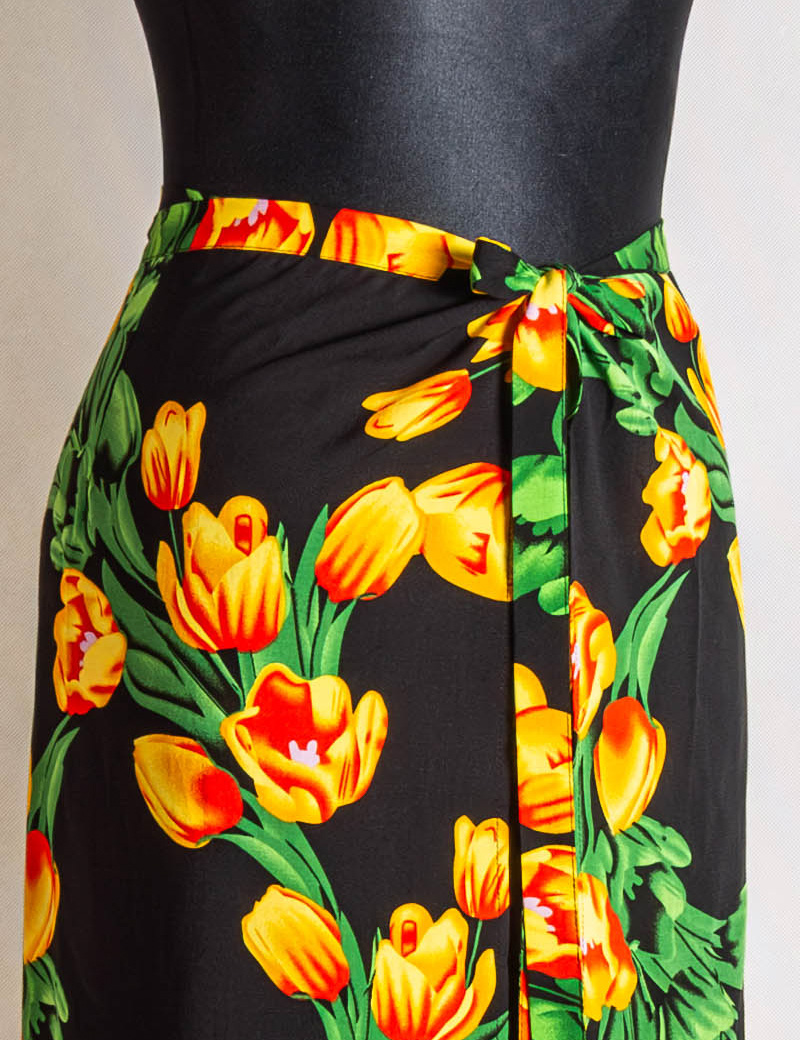
Women's wrap pants, size S-L, 100% viscose, Palazzo pants Niederlande |
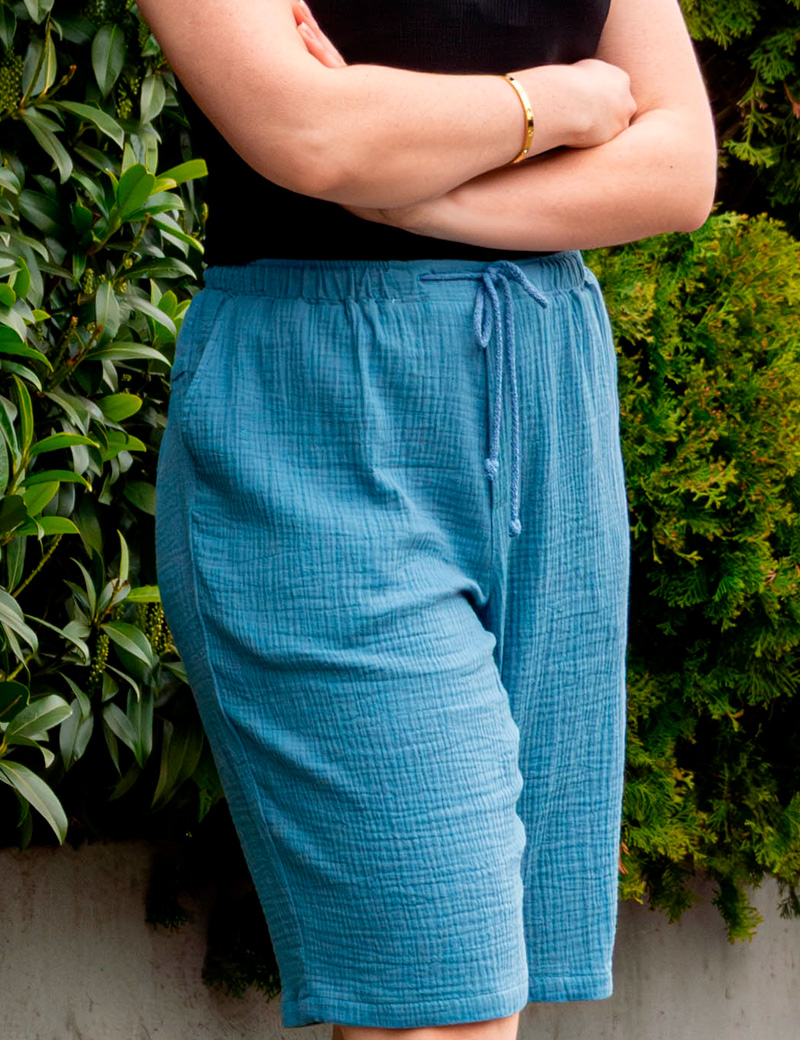
|
Occasion Dressing: Long Maternity Styles for Weddings and Celebrations
One of the most common questions that arises during pregnancy is how to dress for formal occasions — and specifically, how to dress for a wedding. The anxiety around this is understandable. A wedding is a significant event, and feeling appropriately dressed while also feeling comfortable in a changing body requires some thought.
The good news is that long dress silhouettes are among the most naturally suited to maternity wedding guest dressing. A maternity maxi dress in a considered fabric and a quiet, elegant colour reads as entirely appropriate for almost any wedding setting — outdoor, rustic, garden, or barn. The key is in the details: the quality of the fabric, the finish of the seams, the way the dress is styled.
For those looking for maternity dresses for wedding guests, the most useful framework is this: choose a dress that you would wear regardless of pregnancy, then consider whether the silhouette accommodates your current body with ease. A flowing, empire-waisted maxi in natural linen or cotton — perhaps in a muted sage, warm terracotta, or dusty rose — will serve beautifully as a maternity wedding guest dress without announcing itself as a maternity garment. It is simply a beautiful dress, worn by a woman at a particular moment in her life.
Wedding guest maternity dresses do not need to be a separate category of clothing. The most elegant approach is to treat them as you would any considered wardrobe choice: fabric, fit, colour, and occasion in mind. A long sleeve maternity dress in a refined knit or a draped linen style with subtle embroidery can serve as a maternity dress for wedding events across seasons.
It is also worth noting that the same dress worn to a wedding can, with different styling, become an everyday piece. This is the slow wardrobe principle at work — each garment earns its place by serving multiple occasions. Explore the full range of boho dresses women at Lariko Studio for styles that translate naturally across formal and informal settings.
Silhouettes Worth Knowing: From Smock to Maxi Knit
Within the broad category of long maternity dresses, there are several distinct silhouettes, each with its own logic and its own strengths.
The maternity smock dress — characterised by its gathered, smocked bodice and loose-falling skirt — is one of the oldest and most functional garments in the history of women's clothing. The smocking at the chest or yoke allows the fabric to expand naturally without losing its shape, making it ideal for pregnancy. In linen or cotton muslin, a smock dress has a timeless quality that sits comfortably within a slow wardrobe.
The empire-waist maxi is another reliable silhouette. With its seam positioned just below the bust, it falls freely over the abdomen and hips, creating a long, unbroken line that is both comfortable and visually elegant. This is the silhouette most commonly associated with maternity maxi dresses, and for good reason — it works across body types and across trimesters.
The maternity knit dress, particularly in a long sleeve version, brings a different quality to the wardrobe. Knit fabric has an inherent give that accommodates the body without the need for structured seaming. A long sleeve maternity dress in fine knit is a piece that can be worn from the early weeks through to the final days of pregnancy without adjustment. It is also one of the most useful postpartum garments, particularly for nursing.
Long maternity dresses with sleeves — whether in knit, woven linen, or cotton — are worth seeking out specifically. Sleeves add a layer of versatility, making a dress appropriate across seasons and across temperatures. They also provide a sense of coverage that many women find reassuring in the context of formal occasions.
Building a Considered Maternity Wardrobe: Less, but Better
The slow wardrobe approach to maternity dressing is not about restriction — it is about intentionality. Rather than accumulating a large number of pieces that will be worn briefly and discarded, the goal is to identify a small number of genuinely useful garments that serve across occasions, across seasons, and potentially beyond pregnancy.
For most women, three to five long dresses will cover the majority of occasions during pregnancy. A lightweight linen maxi for warm days and casual outings. A cotton smock dress for everyday wear. A long sleeve maternity dress in knit for cooler months. A more refined maxi — perhaps with subtle detailing or in a richer colour — for weddings and celebrations. And possibly a versatile wrap-style long dress that adjusts easily as the body changes.
Layering is the mechanism that extends the usefulness of each piece. A linen maxi worn alone in summer becomes, with the addition of a wool layer, a piece suitable for autumn evenings. A knit dress layered under a structured jacket moves from casual to considered. For partners and companions who want to complement a slow wardrobe aesthetic, the Mens Cardigan collection at Lariko Studio offers natural-fibre layering pieces that sit comfortably within the same visual language.
The principle throughout is coherence — building a wardrobe where each piece works with the others, where the aesthetic is consistent, and where the quality of the materials justifies the investment of care and attention.
Caring for Natural Fabric Maternity Dresses
A slow wardrobe is only as durable as the care given to it. Natural fabrics require a different approach than synthetics, but the practices are not complicated — they simply require a little attention.
Linen softens with washing and benefits from air drying rather than machine drying. Slight wrinkling is a feature of the fabric, not a flaw — it signals authenticity and relaxed elegance. Cotton and muslin can be washed at low temperatures and will retain their quality for many years with consistent care. Wool knits should be hand-washed or washed on a delicate cycle and laid flat to dry to preserve their shape.
Natural fibres improve with age when cared for properly — they do not degrade in the way that synthetics do. A linen dress worn throughout pregnancy and beyond will, after several years of washing and wearing, feel softer and look more beautiful than it did when new. This is the material argument for slow fashion, and it is a compelling one.
FAQ
What makes a long maternity dress suitable for a wedding?
A long maternity dress works well for a wedding when it is made from a quality natural fabric, sits in a colour appropriate to the occasion, and has a silhouette that flows gracefully over the body. Empire-waist maxi styles and smock dresses in linen or cotton are particularly well-suited to maternity wedding guest dressing. The goal is a dress that looks intentional and elegant, not one that signals compromise.
Can I wear a long sleeve maternity dress to a summer wedding?
Yes, with the right fabric. A long sleeve maternity dress in lightweight linen or cotton muslin will breathe well enough for warm weather. Loose, open-weave fabrics in long sleeve silhouettes can be cooler than sleeveless dresses in heavier materials. Consider the weight of the fabric before the presence of sleeves when making a decision about warmth.
How early in pregnancy should I start wearing maternity dresses long styles?
Many women find that long, loose silhouettes — particularly smock dresses and empire-waist maxis — are comfortable from very early in pregnancy, even before there is a visible bump. The ease of these silhouettes means they do not require adjustment as the body changes, making them useful across all three trimesters and often into the postpartum period as well.
Are maternity knit dresses practical for everyday wear?
A maternity knit dress is one of the most practical garments available during pregnancy. The natural elasticity of knit fabric accommodates the body without structured seaming, and a long sleeve version in fine wool or cotton knit can be worn across a wide range of temperatures. It is also one of the more useful postpartum garments, particularly for those who are nursing.
How do I style long maternity dresses for different occasions?
The same long maternity dress can serve multiple occasions through layering and accessorising. Worn with sandals and a linen jacket, a maxi dress reads as casual and relaxed. Styled with leather sandals, minimal jewellery, and a considered bag, the same dress becomes appropriate for a celebration or gathering. For cooler weather, a wool cardigan or structured wrap adds warmth without disrupting the silhouette.
Closing Thoughts
Pregnancy is not a pause in a woman's relationship with clothing — it is a particular chapter of it, with its own considerations and its own opportunities. Choosing maternity dresses long in silhouette and natural in fabric is a decision that honours both comfort and craft, and it aligns naturally with the slow wardrobe philosophy of buying less, choosing better, and wearing more.
At Lariko Studio, the approach to dressing is built on these same principles — natural fibres, considered design, and garments that earn their place through genuine usefulness and enduring quality. If you are building or refining your maternity wardrobe, explore the full collection of boho dresses women at Lariko Studio, where each piece is made to be worn with intention, and kept for a long time.
Discover natural fabric pieces from Lariko Studio — crafted for occasions like this:
|

|