

The Art of Buying Less and Wearing More
The Art of Buying Less and Wearing More
There is a quiet frustration that many of us know well: a wardrobe full of clothes and nothing to wear. It happens gradually, through years of impulse purchases, trend-chasing, and the kind of shopping clothes that feels satisfying in the moment but leaves little of lasting value. The good news is that this is not a personal failing — it is a structural problem with the way fast fashion has trained us to consume. The alternative is not deprivation. It is clarity. Buying less and wearing more is less about restriction and more about building a relationship with the things you own. This article explores how to shift that relationship, from the way you approach clothes shopping online for women to the fabrics you choose, the brands you trust, and the simple questions that can transform every future purchase into something genuinely worthwhile.
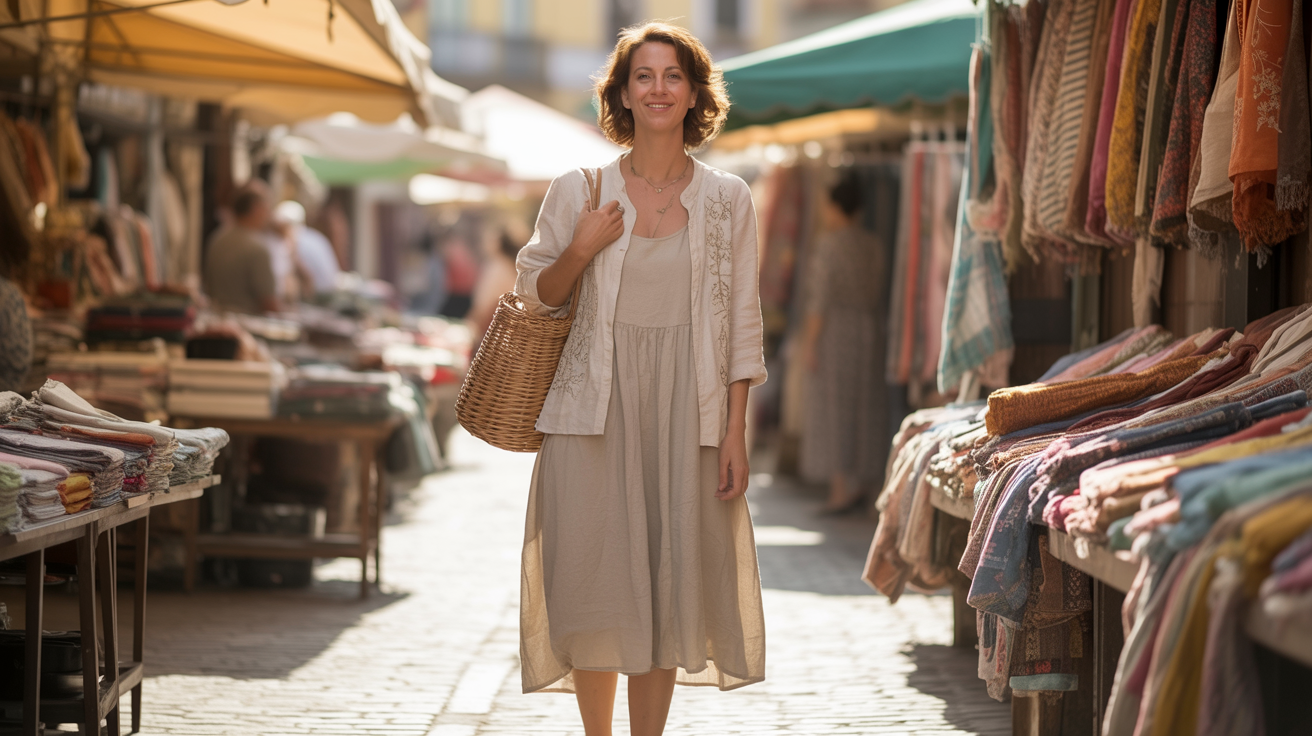
Why We Buy More Than We Need
Understanding the mechanics of overconsumption is the first step toward changing it. Fashion clothes online shopping platforms are designed with one goal: to keep you browsing and buying. Infinite scroll, countdown timers, "only 2 left" warnings, and algorithmically curated recommendations all work together to create a sense of urgency that bypasses careful thought. The result is a cycle of purchasing that has very little to do with genuine need or desire.
For women in particular, the pressure is relentless. Clothes shopping for women is a market worth billions, and it is built on the premise that what you wore last season is no longer enough. Online clothes shopping uk consumers alone return an estimated 30 to 40 percent of all fashion purchases — a figure that tells its own story about the gap between what we think we want and what we actually find useful once it arrives.
There is also an emotional dimension. Many people use shopping for clothes as a form of stress relief, a reward, or a way of imagining a slightly different version of themselves. None of these impulses are shameful, but recognising them is important. When you understand why you are reaching for the checkout button, you can start to make choices that actually serve you.
The Slow Fashion Alternative: Choosing With Intention
Slow fashion is not a trend. It is a philosophy that asks a simple question before every purchase: will I still want to wear this in three years? It is a question that eliminates a remarkable amount of clutter before it ever enters your home.
For those exploring online shopping hippie clothes or boho-inspired pieces, slow fashion often feels like a natural fit. The aesthetic itself — rooted in natural materials, handcraft, and timelessness — resists the disposability of fast fashion. A hand-embroidered linen dress or a loosely woven cotton blouse does not go out of style because it was never really in style in the conventional sense. It simply exists, beautifully and usefully, season after season.
When you shift your approach to clothes online shopping for women toward pieces that are made with care and designed to last, the economics also change. A higher upfront cost per item is offset by the fact that you are buying far fewer things overall. Cost-per-wear — the price of an item divided by the number of times you wear it — becomes the only metric that matters, and quality wins every time.
Practical steps for more intentional shopping include keeping a simple list of what you actually need before you begin browsing, setting a 48-hour pause between adding something to your cart and completing the purchase, and asking whether the item genuinely fills a gap in your wardrobe or simply appeals to you in isolation.
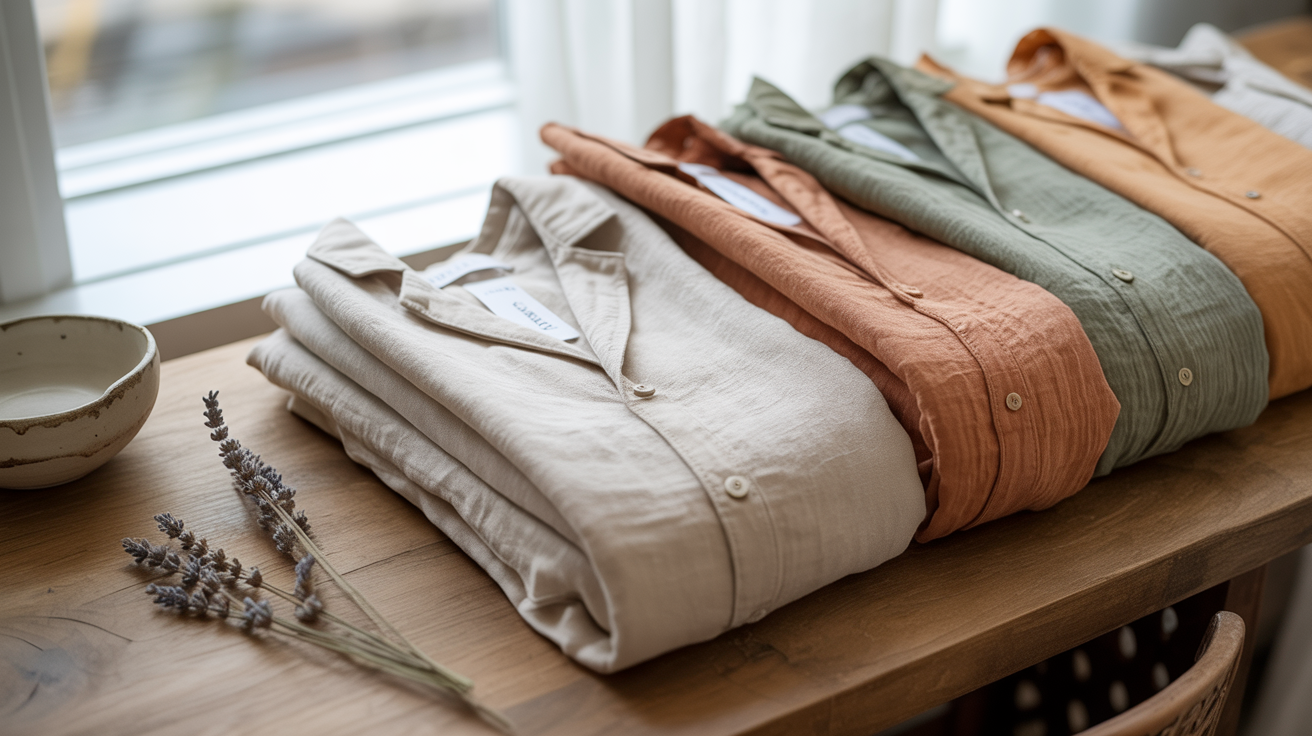
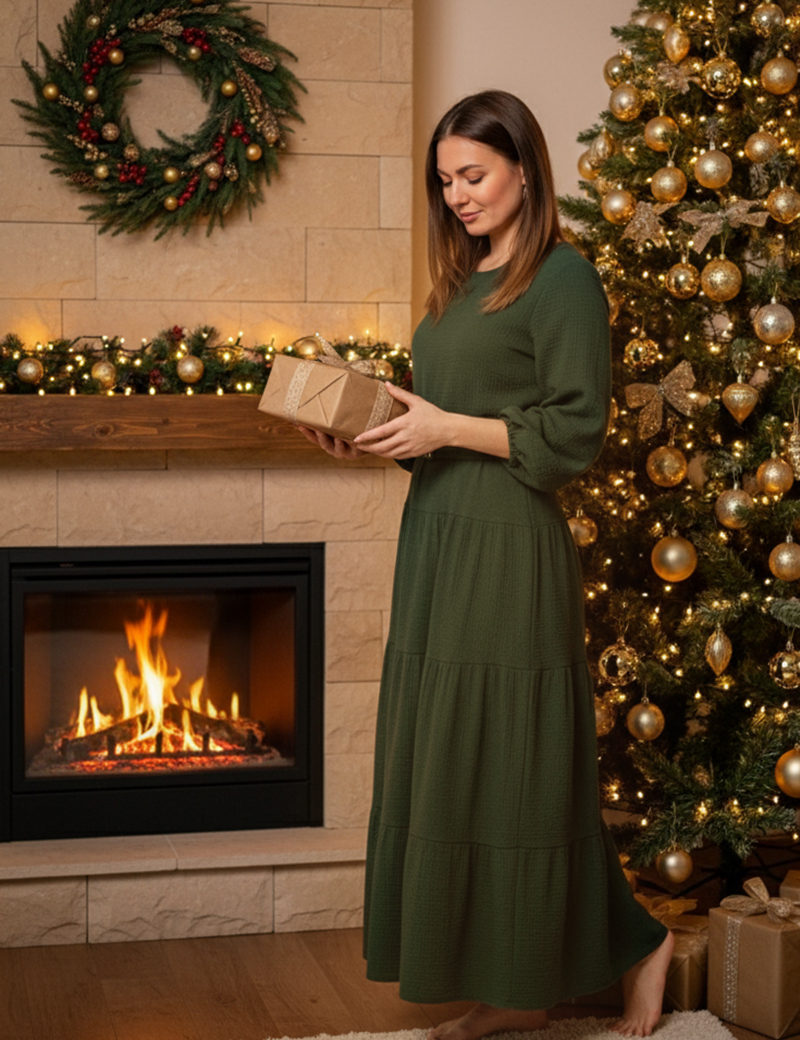
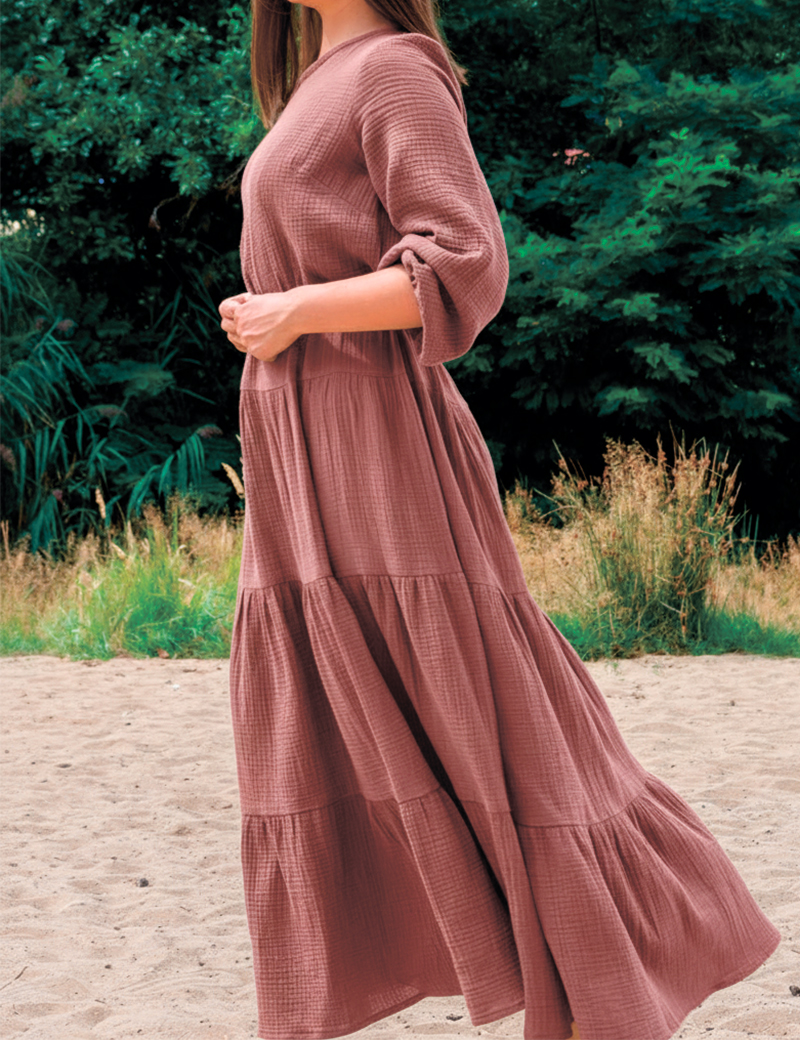
Discover natural fabric pieces from Lariko Studio — crafted for occasions like this:
|
|
Building a Wardrobe That Works Every Day
A wardrobe that works is not necessarily a minimal one. It is a coherent one. Every piece should be able to exist alongside the others, creating combinations that feel effortless rather than forced. This is the foundation of what stylists call a capsule wardrobe, though the concept works just as well without the rigid rules that often accompany it.
For women clothes online shopping with this goal in mind, the most useful filter is versatility. Before buying anything, ask how many different ways you can wear it. A loose linen shirt can be a standalone top, an open layer over a slip dress, a beach cover-up, or a relaxed work piece. A well-cut pair of wide-leg trousers moves from a morning market to an evening gathering without effort. These are the pieces worth investing in.
Colour palette also matters more than most people realise. When your wardrobe is built around a cohesive range of tones — earthy neutrals, warm terracottas, soft creams, deep indigos — everything works together without planning. You stop having pieces that only go with one specific outfit and start having a wardrobe where everything connects.
Natural fabrics are central to this approach. Linen, cotton, wool, and muslin all age beautifully, breathe well across seasons, and carry a tactile quality that synthetic materials simply cannot replicate. They also tend to look better the more they are worn, developing a softness and character that fast fashion pieces lose within months.
Navigating Online Clothes Shopping With More Care
The convenience of shopping ladies clothes online is genuinely valuable — but it requires a different kind of discipline than shopping in person. Without the ability to touch fabric or try things on, it is easy to be misled by photography, styling, and the particular flattery of a well-lit studio shot.
When approaching online ladies clothes shopping, a few habits make a significant difference. Read fabric composition carefully, not just the headline material. A blouse described as "linen" may contain only 30 percent linen and 70 percent polyester — a combination that wears and feels entirely differently. Look for brands that are transparent about their materials, their production processes, and their sizing.
For ladies clothes online shopping uk specifically, it is worth noting that sizing varies considerably between European and UK brands. Good brands provide detailed measurements rather than relying solely on S, M, L designations. Take your own measurements once and refer to them consistently — it removes much of the guesswork from online shopping clothes for ladies.
Reviews are useful, but read them critically. Look for comments from people with a similar body type to your own, and pay attention to remarks about fabric quality and how pieces hold up after washing. A pattern of complaints about shrinkage, pilling, or colour fading tells you something important that the product page will not.
Finally, be thoughtful about the brands you choose to support. Online shopping ladies clothes from independent and slow fashion brands often means longer delivery times and fewer discount codes — but it also means your money goes toward a different kind of fashion system, one that values the maker, the material, and the long life of the garment.
Caring for What You Own
Buying less and wearing more is only possible if the things you own are properly cared for. This is a part of the wardrobe conversation that rarely gets enough attention, particularly in the context of clothes shopping online for women, where the focus is almost always on acquisition rather than maintenance.
Natural fabrics require a little more attention than synthetics, but the effort is straightforward once it becomes habit. Linen and cotton should be washed at lower temperatures to prevent shrinkage and preserve colour. Wool benefits from hand-washing or a gentle machine cycle with a specialist detergent. Muslin, one of the softest and most breathable of cotton weaves, becomes more beautiful with each wash when treated gently.
Storing clothes well also extends their life considerably. Fold knitwear rather than hanging it to prevent stretching. Keep natural fibres away from direct sunlight when storing for longer periods. Use wooden or padded hangers for structured pieces. These are small habits, but over years they make a meaningful difference to how long your wardrobe stays in genuinely wearable condition.
There is also a deeper satisfaction in caring for things you love. When you own fewer pieces that you have chosen carefully, the act of laundering, folding, and putting away becomes less of a chore and more of a quiet ritual — a small but real expression of the values that slow fashion is built on.
Dressing With Personality, Not Trend
One of the most liberating aspects of stepping away from fast fashion is the freedom to develop a genuine personal style. When you are no longer chasing what is new, you have space to discover what is actually you — the silhouettes you return to, the colours that feel like home, the fabrics you reach for instinctively.
For women drawn to boho and ethnic-inspired aesthetics, this process often leads to a wardrobe that feels deeply personal and genuinely expressive. Pieces like boho dresses women love for their ease and beauty — loose, layered, crafted from natural fabrics with hand-worked details — carry a visual and tactile richness that no algorithm can replicate. They tell a story about where they were made and how, and wearing them becomes a small act of cultural appreciation rather than mere consumption.
This kind of dressing is also, quietly, a form of resistance. In a world that profits from your insecurity and your restlessness, choosing to wear what you already own — and to wear it with confidence — is a meaningful act. It says that you are not waiting for the next new thing to feel complete.
The same principle extends beyond women's wardrobes. Anyone looking for a man who wants to dress with intention and individuality will find that the slow fashion approach translates just as naturally — natural fabrics, timeless cuts, and pieces chosen for their quality rather than their novelty.
FAQ
What does slow fashion mean in practice for everyday shopping clothes?
In practice, slow fashion means pausing before you buy, choosing quality over quantity, and prioritising natural fabrics and ethical production. It means building a wardrobe of pieces you genuinely love and wear regularly, rather than accumulating items that rarely leave the hanger. It does not require a dramatic overhaul — small, consistent changes to how you approach each purchase are enough to shift the pattern over time.
Is online clothes shopping uk a good way to find slow fashion brands?
Yes, though it requires a more discerning approach than browsing mainstream platforms. Look for independent brands that are transparent about their materials and production, that offer detailed sizing information, and that have a consistent aesthetic rooted in quality rather than trend. Reading brand stories and checking fabric compositions carefully will help you separate genuinely slow fashion labels from those that use the language without the substance.
How do I know if a piece of clothing is worth the investment?
The most reliable test is the cost-per-wear calculation: divide the price by the number of times you realistically expect to wear it. A well-made linen dress worn 80 times over several years costs far less per wear than a cheap synthetic piece worn five times before it deteriorates. Beyond numbers, ask whether the piece fits your existing wardrobe, whether you would buy it at full price, and whether you can imagine yourself wearing it in two or three years.
What fabrics should I look for when shopping for ladies clothes online?
Natural fibres are the most reliable choice for longevity, comfort, and environmental impact. Linen, cotton, wool, and muslin are all excellent options. They breathe well, age beautifully, and tend to be produced with less environmental harm than synthetic alternatives. When shopping online, always check the full fabric composition listed in the product details rather than relying on the headline description alone.
How can I resist the temptation to overbuy during online shopping?
A few practical habits help considerably. Keep a written list of what your wardrobe actually needs before you start browsing. Use a 48-hour rule before completing any unplanned purchase. Unsubscribe from promotional emails that create artificial urgency. And return to your wardrobe periodically to remind yourself of what you already own — often, the piece you were about to buy is something you already have in a slightly different form.
A Different Way Forward
The shift from compulsive shopping clothes to conscious, considered buying is not a sacrifice. It is a simplification that tends to leave people feeling more satisfied, more stylish, and more at ease with their wardrobes than years of fast fashion ever did. When every piece you own is something you chose carefully, wears beautifully, and will last for years, getting dressed becomes a pleasure rather than a problem.
At Lariko Studio, this philosophy is woven into everything we make. Our collections are built from natural fabrics — linen, cotton, wool, muslin — and designed with the kind of timeless, boho-influenced aesthetic that belongs to no single season. Every piece is made to be worn, loved, and kept. If you are ready to explore a wardrobe built on quality and intention, we invite you to browse our collections and find the pieces that will genuinely become part of your life.
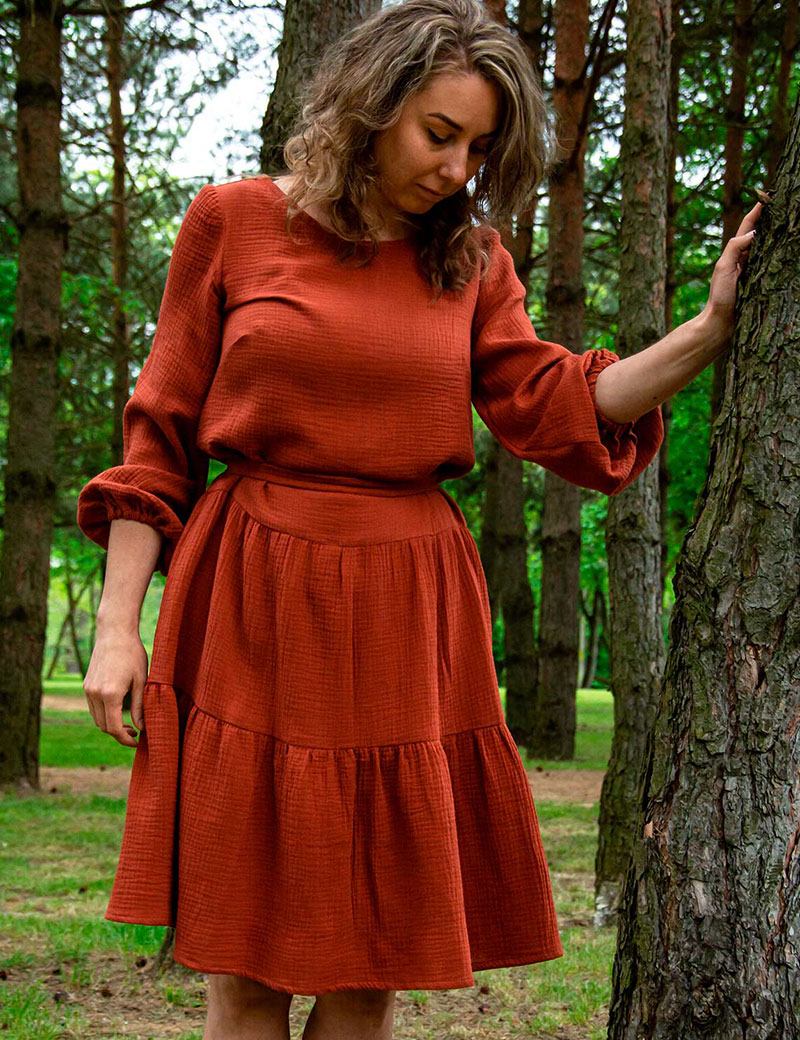
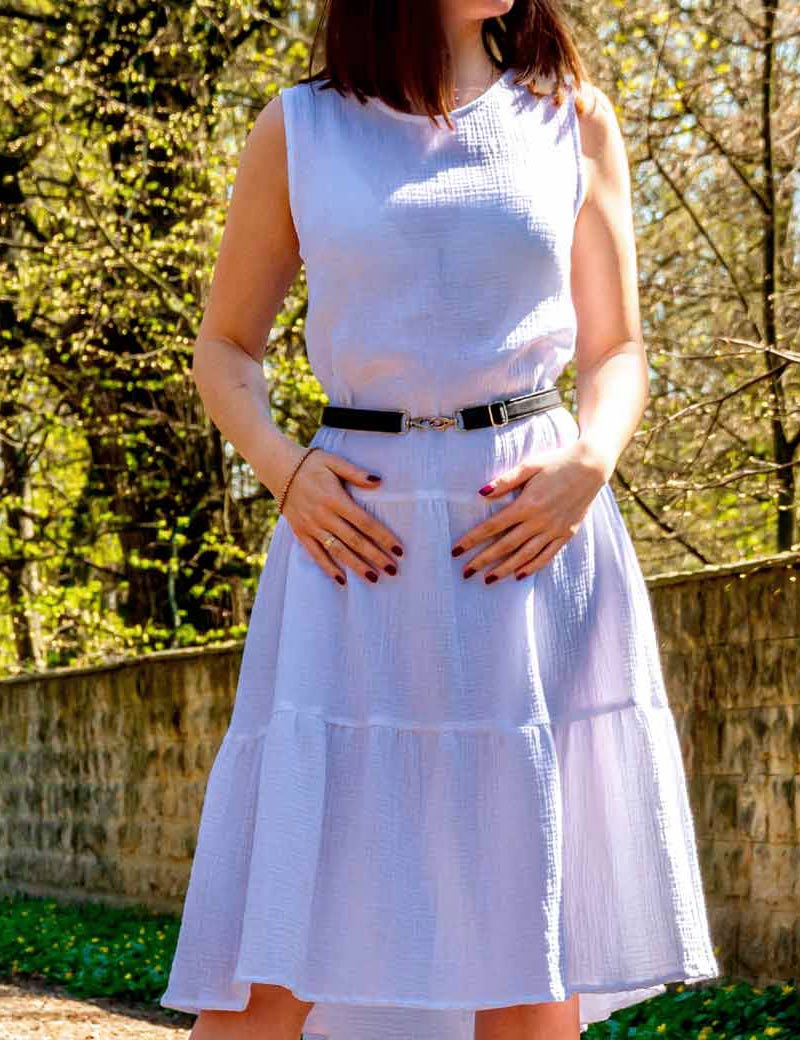
Discover natural fabric pieces from Lariko Studio — crafted for occasions like this:
|
|