

Fashion Women: How Conscious Women Redefine Their Style
Fashion Women: How Conscious Women Redefine Their Style
The way women relate to clothing is shifting. Across Europe and beyond, fashion women who once chased seasonal trends are now asking deeper questions — about where their clothes come from, how they are made, and what they truly want to express through what they wear. This is not a passing moment. It is a quiet but meaningful transformation in how women fashion themselves and their lives. The conscious woman does not dress to impress or to keep up. She dresses to feel aligned, comfortable, and genuinely herself. At Lariko Studio, we see this shift every day in the women who choose our pieces — women who are drawn to natural fabrics, honest craftsmanship, and a slower, more intentional approach to building a wardrobe. This article explores what conscious style actually looks like in practice, why it matters, and how any woman can begin moving in this direction.
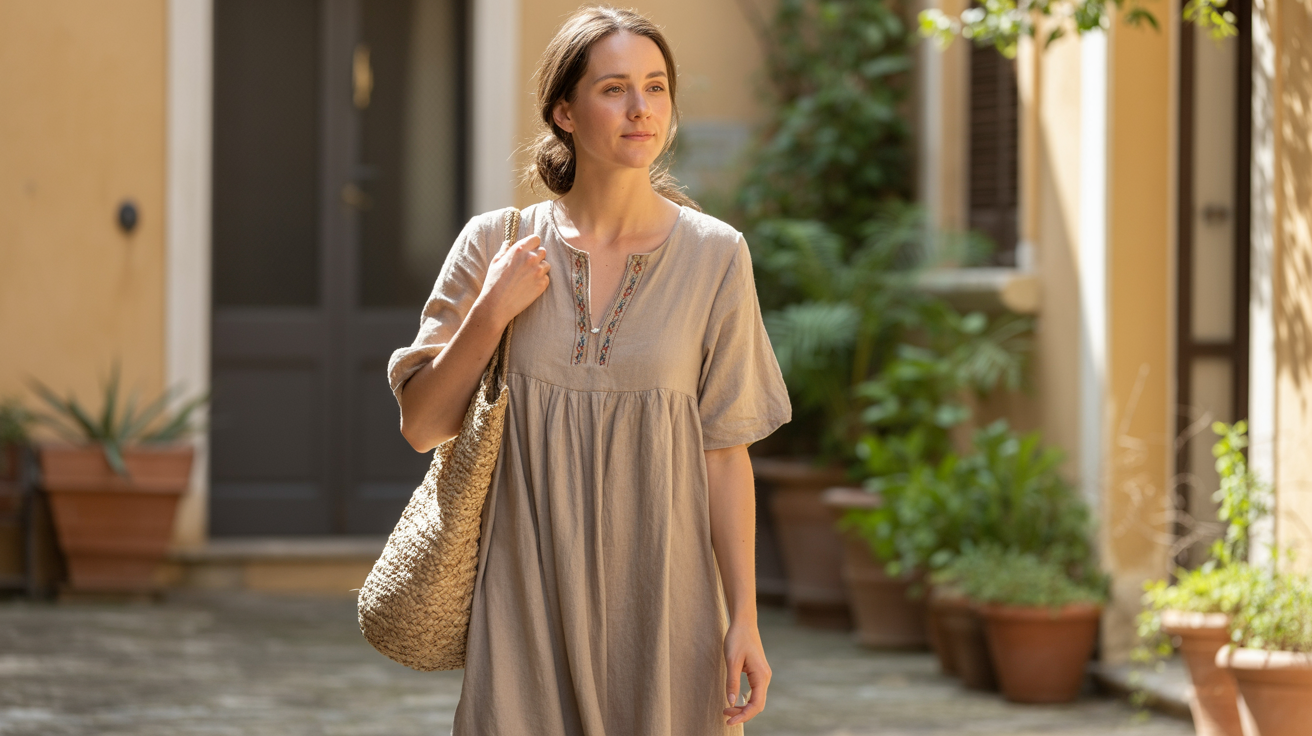
What It Means to Be a Conscious Fashion Woman Today
Conscious style is not about owning fewer things out of deprivation. It is about owning the right things — pieces that serve you well, that age gracefully, and that reflect your actual values rather than a manufactured identity sold to you by a fast fashion algorithm. For many women, the turning point comes when they open a wardrobe full of clothes and feel they have nothing to wear. That paradox is the symptom of a consumption pattern that prioritises volume over meaning.
A conscious approach to women fashion begins with a simple question: does this piece genuinely belong in my life? It considers the fabric — is it natural, breathable, kind to the skin and to the planet? It considers the maker — were the hands that created this garment treated with dignity? And it considers longevity — will this still feel right in three years, or is it designed to fall apart or fall out of favour by next season?
This shift in thinking does not require a dramatic wardrobe overhaul overnight. It begins with awareness, and awareness begins with curiosity.
The Role of Natural Fabrics in Redefining Women's Style
One of the most consistent choices among beautiful fashion women who embrace slow style is a turn toward natural fabrics. Linen, cotton, wool, and muslin are not simply material preferences — they represent a philosophy. These fabrics breathe with the body, soften with wear, and carry a tactile honesty that synthetic materials cannot replicate.
Linen, in particular, has become a touchstone of the conscious wardrobe. It wrinkles, yes — but those wrinkles are part of its character, a sign that the fabric is alive and real. A well-cut linen dress or a loose linen blouse worn in the heat of summer is one of the most quietly elegant things a woman can wear. It requires no performance.
Cotton muslin, another fabric central to the Lariko Studio approach, offers a softness and lightness that feels almost meditative. Layered loosely, it moves with the body rather than constraining it. Wool, in cooler months, provides warmth that is genuine rather than chemical — warmth that comes from the land and from the animal, not from a petrochemical process.
Choosing natural fabrics is also an act of self-care. Skin that breathes is skin that is comfortable. Women who make this switch often describe it as one of the most immediate and tangible improvements in how they feel day to day.
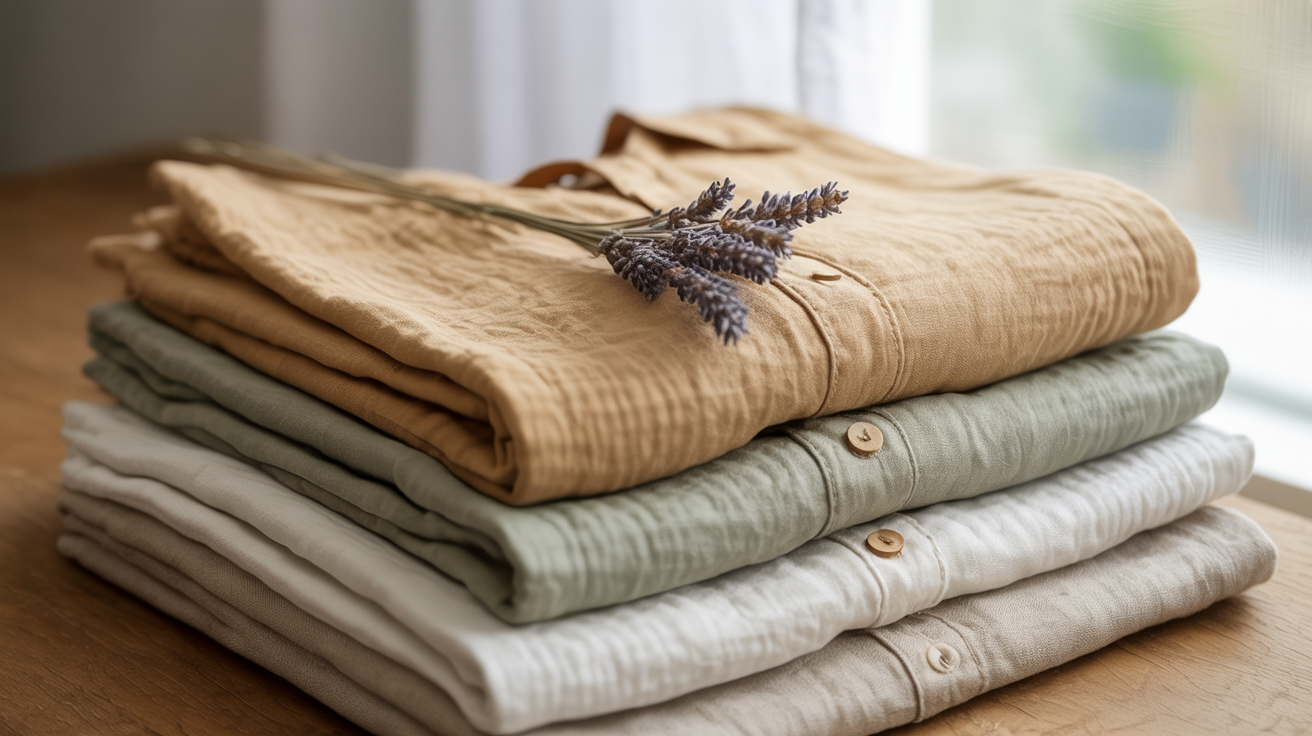
Discover natural fabric pieces from Lariko Studio — crafted for occasions like this:
|

|
Building a Wardrobe With Intention: The Slow Fashion Approach
Slow fashion is not a trend. It is a counter-movement — a deliberate resistance to the pace and waste of the dominant fashion industry. For women who are building a conscious wardrobe, the principles of slow fashion offer a practical framework.
The first principle is quality over quantity. A single well-made linen shirt that you reach for again and again is worth more than ten cheap tops that pill, fade, and lose their shape after a few washes. Investing in fewer, better pieces is both an economic and an environmental choice.
The second principle is versatility. A conscious wardrobe is built around pieces that work together, that can be dressed up or down, layered or worn alone. Neutral earthy tones — sand, terracotta, sage, off-white — form a natural palette that mixes intuitively. Ethnic-inspired details, handwoven textures, and artisan embroidery add depth and personality without requiring constant newness.
The third principle is care. Clothes that are washed gently, stored properly, and repaired when needed last significantly longer. This is not a hardship — it is a relationship with your belongings, a form of respect for the craft and resources that went into making them.
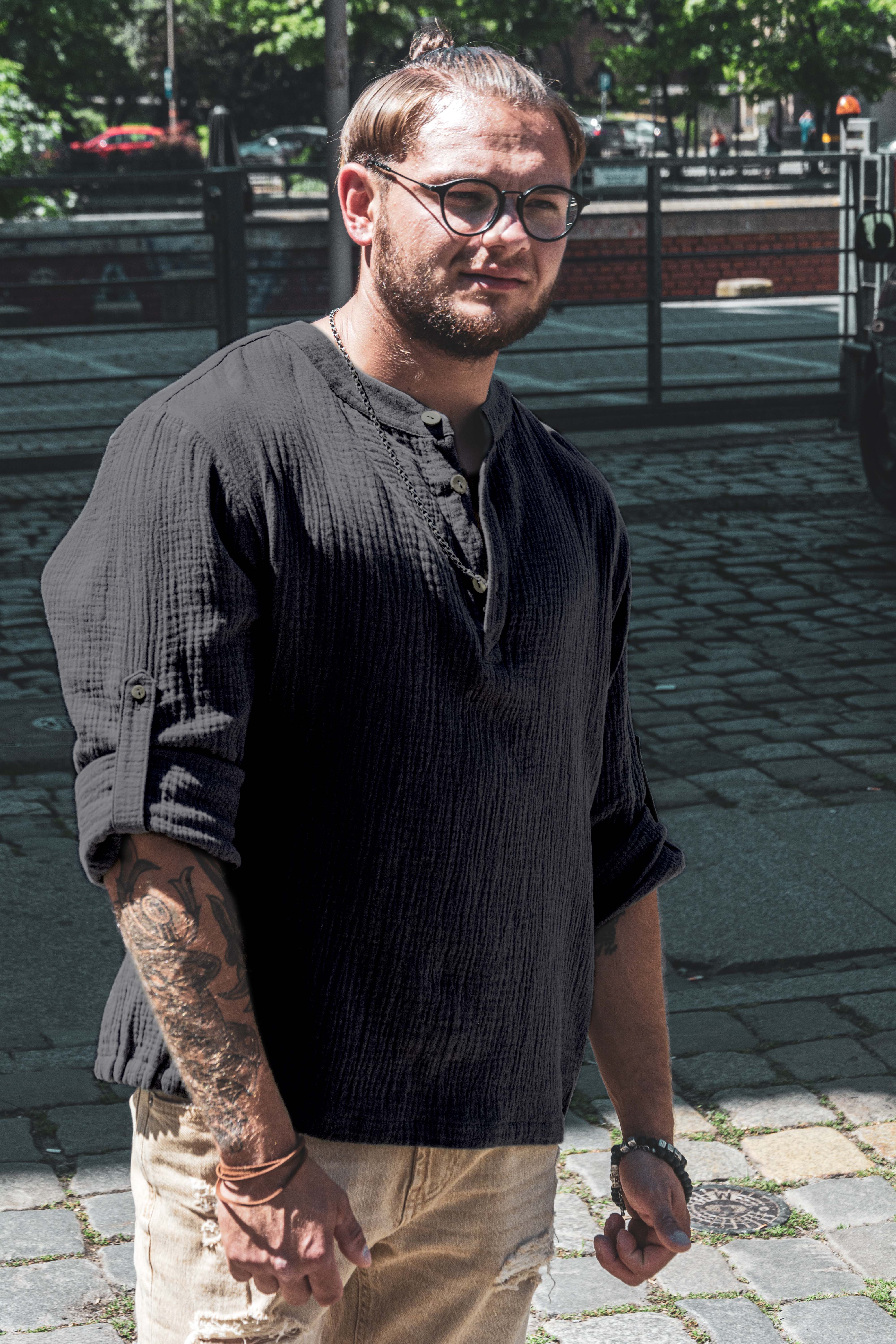
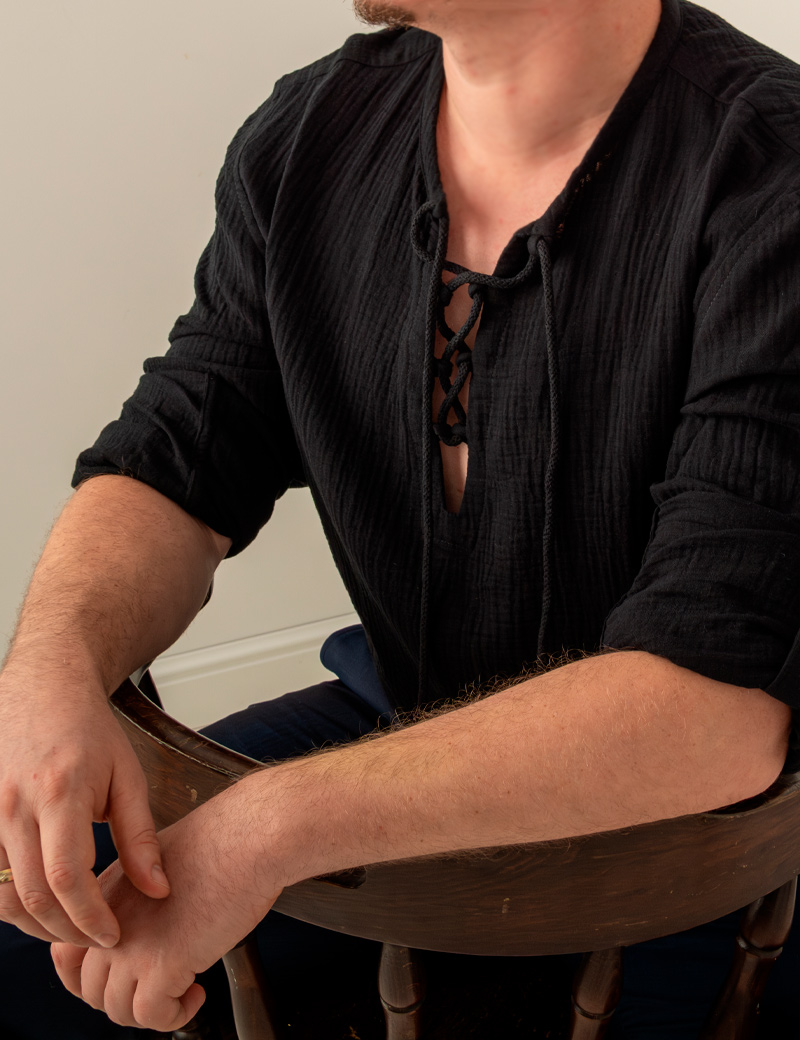
For men in your life who share these values, the same principles apply — from Boho Shirts Men crafted in natural fabrics to Boho Pants for Men designed for ease and longevity. Conscious style is not a gendered concept.
The Boho Aesthetic as a Language of Authentic Self-Expression
The boho aesthetic — rooted in bohemian and ethnic traditions, in folk craft and nomadic freedom — resonates so deeply with conscious women because it was never about following rules. It is a visual language of individuality, of connection to nature and culture, of ease over formality.
When we talk about fashion women who identify with the boho aesthetic, we are not talking about a costume. We are talking about women who feel genuinely at home in flowing silhouettes, in handmade details, in the imperfect beauty of artisan work. These women are not trying to look like anyone else. They are trying to look more fully like themselves.
The boho wardrobe tends to be layered and textural — a linen blouse over wide-leg trousers, a woven belt cinching a loose cotton dress, a wool shawl draped over the shoulders on a cool evening. Each layer adds something, and nothing feels forced. The overall effect is of a woman who is comfortable in her own skin, who has thought about what she wears but is not anxious about it.
This is also why the boho aesthetic ages well — both on the body and in the wardrobe. Pieces that are rooted in craft and natural materials do not become dated in the way that trend-driven fashion does. They accumulate meaning instead of losing it.
How Conscious Style Intersects With Identity and Values
Clothing has always been a form of communication. What has changed for many women fashion conscious is that they are now more deliberate about what they want that communication to say. Rather than broadcasting status or trend-awareness, they want their clothes to reflect their actual priorities: sustainability, craftsmanship, cultural respect, and personal authenticity.
This intersection of style and values is not superficial. Research consistently shows that the choices we make about our appearance have a real effect on our mood, our confidence, and our sense of self. When what you wear is aligned with what you believe, there is a coherence that feels grounding. When it is not — when you are wearing things you bought impulsively, things that do not quite fit, things you do not really like — there is a low-level dissonance that is easy to underestimate.
Beautiful fashion women are not necessarily those who follow the most trends or spend the most money. They are women who have found a way of dressing that feels genuinely true to who they are. That authenticity is visible. It has a quality that no amount of trend-following can manufacture.
Part of this work is also about unlearning. Many women carry inherited ideas about what they should wear — what is appropriate for their age, their body, their social role. Conscious style involves examining those ideas and deciding which ones actually serve you and which ones are simply old scripts running in the background.
Practical Steps to Begin Your Conscious Style Journey
Moving toward a more conscious, intentional wardrobe does not require a grand gesture. It is a series of small, considered decisions made over time. Here are some practical starting points:
- Audit what you already own. Before buying anything new, spend time with what you have. What do you actually wear? What makes you feel good? What has been untouched for a year or more?
- Identify the fabrics you feel best in. If you have never tried linen or cotton muslin, seek out a single piece and wear it for a season. Notice how it feels.
- Choose a colour palette that works across your wardrobe. Earthy neutrals are a natural starting point — they mix easily and tend to feel timeless rather than trendy.
- Research the brands you buy from. Look for transparency about materials, production, and the people involved in making the clothes. A brand that cannot or will not answer these questions is telling you something.
- Repair before you replace. A loose button, a small tear, a faded hem — these are fixable. Learning basic mending skills, or finding a local tailor, extends the life of pieces you love.
- Buy less, but buy better. When you do invest in something new, choose pieces that feel genuinely right — not pieces that are almost right, or pieces bought under the pressure of a sale.
These steps are not about perfection. They are about direction. Moving toward a more conscious wardrobe is a process, and every small choice in that direction has value.
FAQ
What does conscious fashion mean for women?
Conscious fashion means making intentional choices about what you wear — prioritising quality over quantity, choosing natural and sustainable fabrics, and selecting pieces that reflect your genuine values and personal style rather than following fast-moving trends.
Why are natural fabrics important in women's fashion?
Natural fabrics like linen, cotton, wool, and muslin are breathable, biodegradable, and more comfortable against the skin than synthetic alternatives. They also tend to age well, developing character over time rather than degrading quickly. Choosing natural fabrics is both a personal and an environmental decision.
How do I start building a slow fashion wardrobe?
Begin by reviewing what you already own and identifying the pieces you genuinely love and wear. From there, focus on adding versatile, high-quality items in natural fabrics and a cohesive colour palette. Buy less frequently, but choose with more care and intention each time.
Is the boho aesthetic suitable for everyday wear?
Absolutely. The boho aesthetic, when built around natural fabrics and well-made pieces, is highly practical for everyday life. Loose, breathable silhouettes in linen or cotton are comfortable for long days, and the layering possibilities mean the look adapts easily to different temperatures and occasions.
How can I tell if a fashion brand is genuinely sustainable?
Look for transparency. A genuinely sustainable brand will be open about the materials it uses, where its garments are made, and the conditions under which they are produced. Certifications, detailed product descriptions, and honest communication about the brand's values are all positive indicators. Vague or marketing-heavy language with little substance is a reason to look more closely.
Closing Thoughts
The women who are redefining fashion today are not doing it loudly. They are doing it through the quiet accumulation of better choices — a linen blouse instead of a synthetic one, a piece made by an artisan instead of a factory, a wardrobe built around who they actually are rather than who they are told to be. This is what conscious style looks like in practice, and it is more beautiful for its restraint and its honesty.
At Lariko Studio, every piece is made with this kind of woman in mind — a woman who values craft, who cares about the world her clothes come from, and who wants to feel genuinely at home in what she wears. Explore the Lariko Studio collections and find pieces that belong in your life for years to come.
Discover natural fabric pieces from Lariko Studio — crafted for occasions like this:

|
|